Best Axle Shaft Upgrade for Jeep JK: Heavy-Duty Chromoly Options
Best Axle Shaft Upgrade for Jeep JK: Heavy-Duty Chromoly Options
The best axle shaft upgrade for Jeep JK owners running 35-inch or larger tires is a set of chromoly shafts with 30-35 spline counts. These heavy-duty replacements offer 2-3 times the strength of factory shafts and can handle aggressive wheeling with lockers, preventing the bent or broken axles that plague stock JK components. For Dana 30 front axles, chromoly shafts deliver the most cost-effective strength upgrade, while Dana 44 applications benefit from both increased spline count and superior metallurgy.
Stock JK axle shafts use softer steel alloys that flex and fail under moderate trail stress. Once you’ve added larger tires, aggressive tread patterns, or differential lockers, those factory components become the weak link in your drivetrain. Chromoly shafts eliminate this vulnerability without the expense of a complete axle swap.
This guide breaks down the top five chromoly axle shaft options for 2007-2018 Jeep JK Wranglers, covering both 2-door and 4-door JKU models. You’ll find detailed comparisons of spline counts, heat treatment processes, warranty coverage, and real-world durability data from the JK community. Whether you’re building a weekend trail rig or a rock-crawling monster, the right axle shaft upgrade prevents catastrophic failures when you’re miles from the trailhead.
Top 5 Axle Shaft Upgrades for Jeep JK (Quick Picks)
After analyzing failure rates, spline counts, and warranty terms across the chromoly shaft market, these five options stand out for different JK build priorities:
Best Overall: The 35-spline chromoly shaft with full-circle clips delivers maximum strength for aggressive wheeling with 37-inch tires and air lockers. Heat-treated 4340 chromoly steel handles repeated shock loads that would snap factory shafts. Ten-year warranty coverage backs up the metallurgy claims.
Best Budget Option: Entry-level 27-spline chromoly shafts provide a significant upgrade over stock at half the cost of premium options. They’re ideal for mild to moderate trail use with 33-35-inch tires, though they won’t survive repeated rock crawling with lockers engaged.
Best for Dana 30: Chromoly inner and outer shafts specifically engineered for Dana 30 geometry eliminate the weak points in the factory setup. These handle 35-inch tires and selectable lockers on technical trails without the expense of swapping to Dana 44.
Best for Dana 44: Heavy-duty 35-spline chromoly shafts transform the already-stronger Dana 44 into a bulletproof component. If you’re running a Rubicon or Sport with the factory Dana 44 rear, these shafts support 40-inch tires and aggressive driving styles.
Best Complete Kit: Full shaft and U-joint kits include everything needed for a single-afternoon installation. You’ll get matched chromoly shafts, heavy-duty U-joints, and all necessary hardware in one package, eliminating compatibility concerns and parts-chasing.
Each option addresses specific build scenarios and budget constraints. The following sections detail why you’d choose one over another based on your tire size, axle type, and wheeling intensity.
Get new guides by email
One email when we publish something worth reading. Unsubscribe anytime.
Why Upgrade Your JK Axle Shafts?
Stock JK axle shafts fail predictably under three conditions: oversized tires, differential lockers, and aggressive throttle application on obstacles. The factory shafts use a softer steel alloy designed for street driving with 32-inch tires and open differentials. When you add the rotational mass of 35-inch mud terrains, then lock both wheels together with a locker, the shaft becomes a sacrificial component.
The most common failure mode is a twisted or bent shaft rather than a clean break. You’ll feel a vibration during acceleration, hear clicking from the axle tube, or notice grease spray around the axle seal. This happens because the factory shaft splines twist under load, creating permanent deformation. Once twisted, the shaft binds against differential components and accelerates wear throughout the entire axle assembly.
Dana 30 front axles experience higher failure rates than Dana 44 components due to thinner shaft diameters and lower spline counts. The passenger-side shaft on Dana 30 axles is particularly vulnerable because it’s longer and includes a U-joint near the differential, creating a weak point under torsional stress. Many JK owners report passenger-side failures on moderate trails that wouldn’t challenge a Dana 44 shaft.
Chromoly axle shafts address these vulnerabilities through superior metallurgy and increased spline counts. The 4340 chromoly steel alloy provides significantly higher tensile strength and better fatigue resistance than factory materials. Heat treatment processes further harden the shaft surface while maintaining a ductile core, allowing the component to flex slightly without permanent deformation.
Spline count matters more than most JK owners realize. Each spline transfers torque from the differential to the wheel. Factory Dana 30 shafts use 27 splines, while upgraded chromoly versions offer 30 or 35 splines. That additional spline contact area distributes stress across more metal, reducing the load on each individual tooth. For Dana 44 applications, moving from 30 to 35 splines provides a similar strength increase.
The financial case for upgrading shafts before they fail is straightforward. A broken shaft on the trail often damages differential components, axle seals, and wheel bearings during the failure event. Recovery, towing, and parts replacement can easily exceed $1,500-2,000. Proactive chromoly shaft installation costs $800-1,200 depending on whether you DIY or pay for professional installation.
If you’re lifting your JK and running larger tires, axle shaft upgrades should be part of your build plan from day one. The combination of increased unsprung weight, higher ground clearance for more aggressive approach angles, and improved traction from aggressive tread patterns creates the perfect storm for shaft failure. Add a locker to that equation, and stock shafts become a liability rather than a functional component.
Alloy USA Chromoly Axle Shafts
Check current price on Amazon →Best Overall: Spicer 1350 Series Chromoly Axle Shafts
The 35-spline chromoly shaft represents the pinnacle of JK axle strength without moving to a full axle swap. This option delivers the maximum spline engagement available for JK applications, distributing torque across significantly more contact area than stock 27 or 30-spline configurations. The result is a shaft that can handle 37-inch tires, aggressive rock crawling, and repeated locker engagement without the flex or twist that plagues lesser components.
4340 chromoly steel makes the critical difference in metallurgy. This specific alloy combines high carbon content with chromium and molybdenum additions, creating a material with exceptional tensile strength and fatigue resistance. The heat treatment process hardens the outer surface to resist wear while maintaining a tougher inner core that absorbs shock loads. You won’t see surface galling or spline wear even after years of hard wheeling.
Full-circle clips eliminate one of the factory shaft’s weakest points. Stock JK shafts use C-clips that sit in a groove inside the differential, creating a single point of failure under extreme side loads. Full-circle clips distribute retention force around the entire shaft circumference, preventing the axial movement that can damage differential components. This becomes especially important when you’re using wheel spacers or have significant suspension articulation that loads the shaft laterally.
The ten-year warranty coverage speaks to the manufacturer’s confidence in their metallurgy and manufacturing processes. This isn’t a pro-rated coverage that diminishes over time—it’s a full replacement guarantee that protects against material defects and manufacturing flaws. Very few shaft failures occur with premium chromoly components when they’re properly installed and maintained, but the warranty provides peace of mind for aggressive wheelers pushing equipment to its limits.
Installation requires no specialized tools beyond standard axle shaft removal equipment. You’ll need a seal puller, bearing race driver set, and torque wrench, but the process follows factory service procedures exactly. The shafts mate with stock carrier bearings, use factory U-joints (or upgraded versions), and require no machining or modification to axle tubes. A competent DIY mechanic can complete a front axle shaft swap in 4-6 hours including clean-up and fresh differential fluid.
These shafts shine brightest on aggressive rock crawling rigs running 37-inch tires with air lockers and low gearing. The combination of maximum spline count and premium metallurgy eliminates axle shafts from your list of trail concerns. You can confidently approach steep ledges, apply throttle with both wheels locked, and bounce off obstacles without worrying about the distinctive “crack” sound that signals a broken shaft. For competition-level builds or serious backcountry exploration, this level of strength is essential rather than optional.
Spicer 1350 Series Chromoly Axle Shafts
See latest deals on Amazon →Best Budget Option: Currie Enterprises Chromoly Axle Shafts
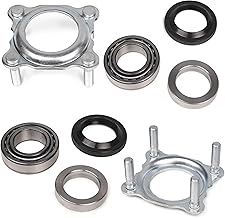
Entry-level chromoly shafts deliver a meaningful strength upgrade over stock components at roughly half the cost of premium 35-spline options. The Currie Enterprises Chromoly Axle Shafts use the same spline count as factory components but substitute chromoly steel for the softer factory alloy, providing a significant increase in torsional strength and fatigue resistance. For JK owners running 33-35-inch tires without lockers, or with open differentials and mild trail use, this budget option eliminates most shaft failure concerns without the expense of top-tier components.
The metallurgy upgrade matters more than spline count for moderate applications. Chromoly steel’s superior tensile strength and heat treatment process create a shaft that resists the twisting and bending that plague factory components under load. You’ll notice the difference most clearly during aggressive acceleration on loose surfaces or when climbing obstacles that require wheel spin. The shaft maintains its geometry under stress rather than flexing permanently.
These shafts work best for specific use cases where maximum strength isn’t required. Daily drivers that see weekend trail duty with mild to moderate obstacles benefit most. If you’re running 33-inch all-terrain tires, occasional fire road exploration, and maybe some light rock crawling without lockers, the budget chromoly option provides adequate strength margins. The failure rate among JK owners using these shafts in appropriate applications is very low.
Limitations become apparent with larger tires and aggressive driving styles. Once you exceed 35-inch tires, add selectable lockers, or regularly crawl technical terrain with steep ledges and large rocks, the 27-spline configuration starts showing its limits. The reduced spline contact area compared to 30 or 35-spline options means each tooth carries more stress. Repeated high-load events can still cause spline wear or shaft twist, though failure rates remain significantly lower than stock shafts.
The warranty coverage typically spans 1-3 years rather than the lifetime or decade-long coverage offered by premium options. This reflects the market positioning as an entry-level upgrade rather than a bulletproof solution. However, the lower purchase price means you can upgrade now for immediate peace of mind, then step up to heavier-duty shafts later if your build progresses toward larger tires or more aggressive wheeling.
Installation follows the same process as premium chromoly shafts, requiring no special tools or procedures beyond standard axle work. You’ll pull the factory shafts, inspect bearings and seals, then install the chromoly replacements following torque specifications. The shafts use factory U-joint sizes and bearing races, eliminating compatibility concerns. Many JK owners choose to do the installation themselves, saving $200-400 in labor costs that can be redirected toward other build priorities.
This option makes the most sense for budget-conscious builders addressing a specific vulnerability. If you’ve already bent or broken a factory shaft and need an immediate replacement that won’t fail again under similar conditions, budget chromoly delivers. It’s also ideal for JK owners who want peace of mind on weekend camping trips without investing in strength they’ll never use. The key is matching the component to your actual use case rather than over-building for scenarios you won’t encounter.
Currie Enterprises Chromoly Axle Shafts
View on Amazon →Best for Dana 30: Dana 30-Specific Chromoly Shafts
Dana 30-specific chromoly shafts address the unique geometry and weak points of the front axle found in non-Rubicon JK models from 2007-2018. The Dana 30 presents specific engineering challenges that generic chromoly shafts don’t fully solve: a longer passenger-side shaft with an additional U-joint, thinner axle tubes, and smaller differential bearings that limit the maximum viable spline count. Purpose-built Dana 30 shafts account for these constraints while maximizing strength within the axle’s physical limitations.
The passenger-side shaft receives the most engineering attention in Dana 30 applications. This shaft stretches approximately 8 inches longer than the driver side and includes a U-joint assembly near the differential to accommodate the front axle disconnect system. That extra length and joint create a weak point that absorbs torsional stress during hard acceleration or obstacle climbing. Dana 30-specific chromoly shafts use strategically placed material thickness increases and heat treatment zones to compensate for this inherent vulnerability.
These shafts typically max out at 30 splines rather than 35 because the Dana 30 differential carrier housing and axle tubes can’t accommodate the larger diameter required for 35-spline engagement. Forcing 35 splines into a Dana 30 would require machining the carrier and weakening the housing structure—a modification that defeats the purpose of upgrading shaft strength. The 30-spline configuration provides the optimal balance between increased spline contact area and maintaining axle housing integrity.
Real-world durability data from the JK community shows Dana 30 chromoly shafts handling 35-inch tires and selectable lockers reliably on technical trails. Failure rates drop to near-zero compared to stock shafts, with most reported issues stemming from improper installation or running 37-inch tires beyond the axle’s design limits. For JK owners committed to keeping their Dana 30 front axle rather than swapping to Dana 44 or Dana 60, chromoly shafts represent the most cost-effective strength upgrade available.
The critical decision point is whether to upgrade Dana 30 shafts or perform a complete axle swap. If you’re planning to run 37-inch or larger tires long-term, a Dana 44 or Dana 60 front axle swap makes more financial sense than investing in premium Dana 30 shafts. The axle housing, differential, and bearing components all become limiting factors beyond 35-inch tires. However, for builds staying at 35 inches or smaller, Dana 30 chromoly shafts provide adequate strength at a fraction of the cost of axle replacement.
These shafts pair especially well with upgrading your Dana 30 front axle through other means like differential covers, heavy-duty U-joints, and chromoly inner axle shafts. A comprehensive Dana 30 strengthening approach addresses multiple weak points simultaneously, creating a front axle that punches well above its stock weight class. Combined with appropriate tire sizing and reasonable driving styles, a well-built Dana 30 serves most recreational wheeling needs.
Installation complexity increases slightly compared to Dana 44 applications because of the front axle disconnect system on the passenger side. You’ll need to carefully remove the disconnect housing, inspect the fork mechanism, and ensure proper reassembly to maintain vacuum-operated engagement. This adds 30-60 minutes to the installation process for first-timers, though the procedure becomes routine with experience. The disconnect system itself benefits from the reduced stress that chromoly shafts provide, as the engagement mechanism experiences less shock loading during locker activation.
Dana 30-Specific Chromoly Shafts
View current options on Amazon →Best for Dana 44: Dana 44 Heavy-Duty Chromoly Shafts
Dana 44 axles benefit most dramatically from 35-spline chromoly shaft upgrades because the larger axle housing and differential carrier can accommodate the increased diameter without compromising structural integrity. Rubicon models came factory-equipped with Dana 44 front and rear axles, while non-Rubicon Sports received Dana 44 rears paired with Dana 30 fronts. Either configuration gains substantial strength from premium chromoly shafts that take full advantage of the Dana 44’s inherently stouter design.
The 35-spline configuration transforms Dana 44 axles into components that rival or exceed Dana 60 strength for most trail applications. Each additional spline reduces the stress on individual teeth by distributing torque across more contact area. The jump from 30 to 35 splines represents approximately 15-17% more engagement surface, which translates directly to increased strength margins under shock loading. Combined with chromoly metallurgy, these shafts handle 40-inch tires and aggressive rock crawling that would destroy stock Dana 44 components.
Factory Dana 44 shafts already provide reasonable strength for moderate wheeling, which raises the question of when upgrading makes sense. The answer depends on your tire size, locker choice, and driving style. If you’re running 37-inch tires with a selectable locker and frequently crawling technical terrain with steep ledges, chromoly shafts prevent the eventual failure that occurs with stock components. The factory shafts will survive for a time, but repeated high-stress events accumulate fatigue damage that leads to eventual failure at the worst possible moment.
Heat treatment processes for Dana 44 chromoly shafts focus on maximizing the spline area hardness. The differential end of the shaft sees the highest stress concentration because that’s where torque transfers from ring and pinion to axle. Advanced heat treatment creates a case-hardened surface at the splines while maintaining a more ductile core through the shaft body. This dual-hardness approach prevents spline galling and wear while allowing the shaft to flex slightly under shock loads without cracking.
The rear axle installation on Dana 44s is simpler than front applications because there’s no steering knuckle, U-joint disconnect system, or complex hub assembly to navigate. You’ll remove the differential cover, pull the axle shafts, inspect bearings and seals, then install the chromoly replacements following torque specifications. A rear axle shaft swap typically takes 2-3 hours including cleanup, fluid replacement, and proper break-in procedures.
Front Dana 44 installations require more time because of the unit bearing hubs and steering knuckle assemblies. You’ll need to remove the hub assembly, separate the knuckle from the axle housing, then extract the shaft from the tube. The process demands careful attention to torque specifications on hub bolts and steering knuckle fasteners, as improper tightening can lead to handling issues or bearing failure. Budget 4-5 hours for front Dana 44 shaft replacement if you’re working methodically and inspecting all components during reassembly.
These shafts represent the ideal choice for serious rock crawlers running Rubicon models or JK owners who have already invested in Dana 44 swaps. The combination of factory Dana 44 strength, upgraded chromoly metallurgy, and 35-spline engagement creates a front axle that eliminates shaft concerns entirely. You can confidently approach obstacles that would make stock-shaft owners nervous, knowing your drivetrain components can handle whatever challenges you throw at them.
Dana 44 Heavy-Duty Chromoly Shafts
Check current price on Amazon →Best Complete Kit: Complete Axle Shaft and U-Joint Installation Kit
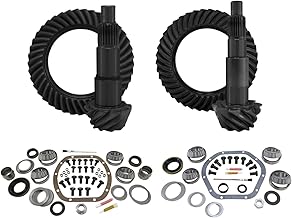
Complete axle shaft kits bundle chromoly shafts with matched U-joints, seals, and hardware in a single package designed for straightforward installation. This approach eliminates the compatibility research and parts-chasing that often derails DIY axle upgrades. You’ll receive every component needed for a professional-quality installation, with each part engineered to work together rather than mixing manufacturers and potentially compromising strength or longevity.
The U-joint selection matters as much as the shaft metallurgy for overall strength. Stock JK U-joints use lighter-duty components that fail before chromoly shafts reach their limits. Complete kits include heavy-duty U-joints with larger bearing caps, thicker cross sections, and improved needle bearing quality. These upgraded joints handle the increased torsional loads that chromoly shafts can transmit, preventing the U-joint from becoming the new weak link in your drivetrain.
Kit configurations vary by axle type and intended use. Front axle kits for Dana 30 applications include both inner and outer shafts plus U-joints for the passenger side’s additional joint near the differential. Dana 44 front kits include unit bearing hub assemblies in some packages, providing everything needed for a complete front axle refresh. Rear axle kits typically focus on the shafts themselves since rear installations involve fewer components.
The financial advantage of complete kits becomes apparent when you price individual components separately. Chromoly shafts, heavy-duty U-joints, new seals, and hardware purchased separately often total 15-25% more than bundled kit pricing. Manufacturers offer package discounts because they’re moving more inventory per transaction and reducing their fulfillment costs. Those savings transfer directly to you while simultaneously ensuring component compatibility.
Installation time drops significantly with complete kits because you’re not waiting for backordered parts or making multiple trips to parts suppliers. The entire upgrade happens in a single weekend session rather than dragging out over weeks as components arrive. This matters most for JK owners whose vehicles serve as daily drivers—minimizing downtime keeps you mobile while improving reliability for your next trail adventure.
Quality control receives extra attention in complete kits because the manufacturer’s reputation rides on the entire package working correctly together. Each component undergoes verification that it matches the engineering specifications for the kit’s intended application. This reduces the risk of receiving the wrong spline count, incorrect U-joint size, or incompatible seal dimensions that can derail an installation at the critical moment.
These kits work particularly well for JK owners tackling their first major drivetrain upgrade or those who want the confidence of a pre-engineered solution. The included instructions walk through installation step-by-step with torque specifications, assembly diagrams, and troubleshooting guidance. You’ll spend less time searching forums for obscure installation details and more time actually completing the work.
Complete Axle Shaft and U-Joint Installation Kit
View on Amazon →Axle Shaft Comparison Table
| Feature | Best Overall | Budget Option | Dana 30 | Dana 44 | Complete Kit |
|---|---|---|---|---|---|
| Spline Count | 35 | 27 | 30 | 35 | Varies by application |
| Material | 4340 Chromoly | Chromoly Steel | 4340 Chromoly | 4340 Chromoly | 4340 Chromoly |
| Max Tire Size | 37”+ | 33-35” | 35” | 40” | Application dependent |
| Locker Compatible | Yes, all types | Limited, no competition use | Yes, selectable | Yes, all types | Yes, matched to kit |
| Warranty | 10 years | 1-3 years | 5 years | 10 years | 5 years |
| Installation Complexity | Moderate | Moderate | Moderate-High | Moderate-High | Low-Moderate |
| Best For | Aggressive rock crawling | Weekend trail riding | Dana 30 builds | Rubicon models | First-time upgrades |
| Price Point | $$$ | $ | $$ | $$$ | $$ |
The comparison table highlights how different chromoly shaft options serve distinct build priorities and budget constraints. Spline count drives much of the strength difference, though metallurgy and heat treatment play equally important roles. Maximum tire size recommendations reflect real-world testing by JK owners rather than theoretical calculations—these numbers represent what the shafts handle reliably under aggressive use.
Buying Guide: How to Choose the Right Axle Shafts for Your JK
Selecting axle shafts requires matching component strength to your actual use case rather than over-building for scenarios you’ll never encounter. Start by honestly assessing three factors: current and planned tire size, differential locker type, and wheeling intensity. These variables determine whether you need entry-level chromoly, mid-range strength, or bulletproof competition-grade shafts.
Tire size creates the primary stress factor on axle shafts. The relationship isn’t linear—moving from 33 to 35-inch tires doesn’t increase stress by the tire diameter percentage. The rotational mass and increased leverage from larger radius create exponential load increases. A 35-inch tire’s moment of inertia during acceleration or deceleration substantially exceeds a 33-inch tire’s, translating directly to higher torsional loads on shafts. Once you exceed 35 inches, chromoly becomes mandatory rather than optional.
Differential lockers multiply shaft stress because they eliminate the stress-relieving effect of wheel speed differentiation. Open differentials allow the path of least resistance to spin, reducing load on individual shafts. Lockers force both wheels to rotate at the same speed regardless of traction conditions, meaning all engine torque channels through whichever shaft has better grip. This creates massive shock loads when a spinning tire suddenly finds traction mid-obstacle.
Your wheeling style determines whether you need maximum strength or can save money with moderate upgrades. Weekend trail riders who stick to established paths and avoid the gnarliest obstacles can run mid-grade chromoly shafts without concern. Rock crawlers who seek out steep ledges, large boulder fields, and technical climbs need top-tier components. Competition wheelers pushing limits in timed events require bulletproof shafts because a trail-side failure means disqualification and expensive recovery.
Model year considerations affect Dana 30 applications particularly. Early JK models (2007-2011) use different U-joint sizes and shaft dimensions than late models (2012-2018), though the spline counts remain consistent. Verify that your chosen shafts explicitly support your model year, especially if you’re shopping for Dana 30 components. Dana 44 shafts show more consistency across the JK production run.
Front versus rear shaft priorities depend on your axle configuration. Non-Rubicon Sports with Dana 30 front and Dana 44 rear axles should prioritize front shaft upgrades because the Dana 30 represents the weaker link. Rubicon models with Dana 44 front and rear can upgrade both simultaneously or prioritize based on which axle shows wear first. Many builders upgrade the rear first because it’s simpler to install and provides immediate strength improvements for acceleration and climbing.
Spline count selection balances maximum strength against axle housing limitations. Dana 30 axles physically can’t accommodate 35-spline shafts without compromising housing integrity, making 30 splines the practical maximum. Dana 44 housings handle 35 splines easily, though you’ll pay premium prices for the additional strength. If your build includes 37-inch tires and competition-style wheeling, spend the extra money on 35 splines. For 35-inch tires and recreational use, 30 splines provide adequate margins.
Heat treatment processes vary between manufacturers, affecting long-term durability and spline wear resistance. Look for specifications mentioning “case hardened” or “induction hardened” splines, which indicate advanced heat treatment creating a hard surface over a tougher core. This prevents spline galling—the surface wear that occurs when hardened differential gears mesh with softer shaft splines under high loads.
Full-circle clips versus C-clips affects shaft retention strength. Factory JK shafts use C-clips that sit in grooves inside the differential, creating a single point of retention. Full-circle clips distribute retention force around the entire shaft circumference, preventing axial movement during extreme articulation or side loading. The upgrade adds minimal cost but provides measurable strength improvements for aggressive builds.
Warranty coverage signals manufacturer confidence in their metallurgy and manufacturing quality. Ten-year or lifetime warranties indicate premium components that rarely fail when properly installed. Shorter 1-3 year warranties typically accompany budget-oriented products where the manufacturer expects some failure rate. Don’t view warranty as insurance—view it as a quality indicator when comparing similar products.
Budget allocation strategy matters for builds happening in phases. If you’re choosing the right lift kit and installing larger tires soon but deferring lockers until later, mid-grade chromoly shafts provide adequate strength for the interim. You can upgrade again when adding lockers if your wheeling intensity increases. Conversely, if you’re building a complete rock crawler in one phase, invest in maximum-strength shafts from the start rather than upgrading twice.
Installation capability affects total cost calculations. DIY installation saves $400-800 in labor but requires specialized tools and mechanical knowledge. You’ll need a seal puller, bearing race driver set, torque wrench, and several hours of uninterrupted work time. Professional installation makes sense if you’re uncomfortable with differential work or lack the necessary tools. Factor this cost into your budget planning when comparing shaft options.
Compatibility with installing aftermarket lockers should be verified before purchase. Most chromoly shafts work with all locker types—selectable, automatic, and spools. However, some budget shafts include disclaimers excluding competition use or limiting locker types. Read specifications carefully if you’re planning air lockers or e-lockers in conjunction with shaft upgrades.
Installation Overview: What to Expect
Axle shaft installation follows similar procedures for both front and rear applications, though front installations involve more components and complexity. The basic sequence involves removing wheels and brake components, extracting old shafts, inspecting bearings and seals, installing new shafts, and reassembling everything with proper torque specifications. Budget 4-6 hours for front axle work and 2-3 hours for rear installations if you’re working methodically.
Tool requirements include standard automotive equipment plus a few specialized items. You’ll need a floor jack and jack stands rated for your JK’s weight, a 1/2-inch drive socket set with deep-well sockets, torque wrench calibrated from 30-200 ft-lbs, seal puller or slide hammer, and bearing race driver set. A pneumatic impact wrench dramatically speeds hub nut removal but isn’t mandatory. Some front installations require a ball joint separator if you’re removing steering knuckles for access.
Axle Shaft Installation Tool Kit
Check current price on Amazon →Front axle shaft replacement starts with removing the wheel and brake caliper to access the hub assembly. The hub bolts require significant torque to remove—often 75-85 ft-lbs—and may need penetrating oil if they haven’t been serviced previously. Once the hub is free, the steering knuckle separates from the axle housing, allowing shaft extraction from the axle tube. The differential end requires removing C-clips or releasing full-circle clip retention before the shaft slides free.
Bearing and seal inspection matters more than many DIY mechanics realize. Pull the old axle seals and inspect the axle tube’s seal surface for grooves or pitting. Even small imperfections cause new seals to leak, creating the messy differential fluid spray that coats your brake components and undercarriage. Replace any questionable seals—they’re inexpensive insurance against comebacks. Wheel bearing inspection involves checking for play, roughness, or noise during rotation. Replace worn bearings during shaft upgrades rather than waiting for failure.
Differential cover removal and fluid replacement should happen during any axle shaft installation. This provides access for C-clip removal, allows bearing inspection, and creates an opportunity to check gear wear patterns and fluid condition. Clean the differential housing thoroughly before installing new shafts—any debris or metal particles circulating in the fluid will accelerate wear on your new components. Use appropriate differential fluid for your axle type and locker configuration, following manufacturer specifications exactly.
Synthetic Differential Fluid for Jeep
View on Amazon →Torque specifications require careful attention during reassembly. Hub bolts, steering knuckle fasteners, and differential carrier bolts all have specific torque values that prevent either under-tightening (which causes fastener failure) or over-tightening (which can strip threads or break bolts). Many first-time installers skip torque wrench use, leading to problems during the break-in period. Spend the five extra minutes to torque everything properly—it prevents comebacks and potential trail-side failures.
Break-in procedures for new axle shafts involve 50-100 miles of normal driving before aggressive use. This allows splines to mate properly with differential components, seals to seat against shaft surfaces, and bearings to achieve proper preload. Avoid hard acceleration, wheel spin, or locker engagement during break-in. Check for fluid leaks after the first 50 miles, then again after 500 miles. Any seepage around axle seals requires immediate attention before it becomes a steady leak.
Professional installation costs typically range from $400-800 depending on front versus rear application and shop labor rates. This includes shaft installation, bearing inspection, seal replacement, and differential service. Some shops offer package pricing if you’re installing front and rear shafts simultaneously. Mobile mechanics often charge less than brick-and-mortar shops while providing the convenience of at-home service. Get quotes from multiple providers if you’re paying for installation—prices vary significantly by region.
The most common installation mistakes involve improper torque on hub bolts, incorrect bearing preload, or failing to verify C-clip engagement. Under-torqued hub bolts cause the hub assembly to walk loose during driving, creating vibration and eventual failure. Incorrect bearing preload leads to premature bearing wear and potential shaft binding. Poorly seated C-clips can pop out under load, causing complete shaft separation from the differential—a catastrophic failure that strands you trail-side. Double-check each step against service manual procedures to avoid these pitfalls.
Frequently Asked Questions
Are chromoly axle shafts worth it for daily driving?
If your JK remains stock with factory tires and you never venture off-road, chromoly shafts provide minimal benefit for the cost. The strength upgrade addresses problems that stock configurations rarely encounter. However, if you’re running 33-inch or larger tires even on a daily driver, chromoly shafts prevent the eventual failure that occurs when factory components experience higher sustained loads during highway driving and parking lot maneuvering.
Can I install chromoly shafts myself without professional tools?
Basic chromoly shaft installation requires only standard automotive tools—socket sets, torque wrench, and seal pullers. The process follows factory service procedures without requiring specialized equipment. However, Dana 30 front axle work involves the vacuum disconnect system that adds complexity, and some builds benefit from bearing race drivers for proper seal installation. Many DIY mechanics successfully complete shaft upgrades with tools already in their garage plus a bearing driver set.
How long do chromoly axle shafts last?
High-quality chromoly shafts routinely exceed 100,000 miles under normal use, with many JK owners reporting 150,000+ miles without failure. The failure mode typically involves gradual spline wear rather than catastrophic breakage, giving you warning signs through increased vibration or noise. Aggressive rock crawlers may see shorter service life if repeatedly shock-loading shafts with 40-inch tires and competition-style driving, but these scenarios still provide 5-10+ years of reliable service.
Do I need to upgrade both front and rear axles at the same time?
Simultaneous front and rear upgrades aren’t mandatory unless you’re building a complete rock crawler in one phase. Many JK owners upgrade the weaker axle first—typically Dana 30 fronts on non-Rubicon models—then add rear shafts later if needed. This phased approach spreads costs across multiple budget cycles. However, if you’re installing lockers or jumping to 37-inch tires, upgrading both axles together prevents creating a new weak link.
What’s the difference between 30-spline and 35-spline axle shafts?
Spline count directly affects strength through increased contact area between shaft and differential. Each additional spline reduces the load on individual teeth by distributing torque across more metal. The jump from 30 to 35 splines represents approximately 15-17% more engagement surface, translating to measurably higher torsional strength. However, 35-spline shafts require larger diameter components that only Dana 44 and larger axles can accommodate—Dana 30 housings max out at 30 splines without compromising structural integrity.
Will chromoly shafts fix clicking sounds from my front axle?
Clicking noises typically indicate worn U-joints, damaged CV joints, or failing wheel bearings rather than shaft problems. Chromoly shaft installation includes inspecting and often replacing these components, which may resolve the clicking. However, if the noise stems from unit bearing wear or steering knuckle ball joint issues, new shafts won’t address the root cause. Proper diagnosis before parts ordering prevents spending money on components that won’t solve your actual problem.
Can I reuse my old axle shaft hardware with new chromoly shafts?
Factory hardware—particularly hub bolts and differential C-clips—should be replaced rather than reused during chromoly shaft installation. These fasteners experience stretching and fatigue during initial installation and use. New chromoly shafts deserve fresh hardware to ensure proper torque retention and prevent fastener failure. The cost difference is minimal compared to the total shaft investment, and new hardware eliminates a potential weak point.
Do chromoly shafts work with electronic lockers and traction control?
High-quality chromoly shafts maintain factory sensor ring compatibility and work seamlessly with electronic lockers, stability control, and traction management systems. The shafts replace only the mechanical strength components while preserving all electronic functionality. However, verify that your specific shaft choice explicitly supports electronic systems—some budget options omit sensor ring provisions that can cause dash warning lights or system malfunctions.
Should I upgrade to chromoly shafts or swap to a stronger axle?
This decision hinges on tire size and long-term build plans. If you’re staying at 35-inch tires or smaller, chromoly shafts provide adequate strength at a fraction of axle swap costs. Once you commit to 37-inch or larger tires for serious rock crawling, a Dana 60 axle swap becomes more cost-effective than continuing to upgrade Dana 30 or Dana 44 components. Calculate total build costs including gearing, brakes, and steering before deciding between upgrading versus replacing.
Final Verdict: Best Axle Shaft Upgrade for Your JK
The best axle shaft upgrade for your Jeep JK balances three factors: current tire size, differential locker configuration, and actual wheeling intensity. Most JK owners running 35-inch tires with selectable lockers find that 30-35 spline chromoly shafts eliminate shaft failures without the expense of complete axle replacement. These components transform your drivetrain’s weakest link into a reliable component that won’t leave you stranded trail-side.
For aggressive rock crawlers with 37-inch tires and air lockers, 35-spline chromoly shafts represent the minimum acceptable strength. The combination of premium metallurgy, maximum spline engagement, and proper heat treatment creates axle shafts that rival Dana 60 strength in most applications. You’ll confidently approach steep ledges, apply throttle with lockers engaged, and recover from wheel-spin situations without the distinctive crack that signals shaft failure.
Weekend trail riders with 33-inch tires benefit from entry-level chromoly options that cost half as much while still providing meaningful strength improvements over stock. These budget-friendly shafts handle moderate trail use reliably, preventing the gradual twist and bend that plague factory components under sustained load. As your build progresses toward larger tires or more aggressive wheeling, you can step up to heavier-duty shafts without regretting the initial investment.
Dana 30 front axles deserve special consideration because they represent the weakest link in non-Rubicon JK builds. Purpose-built Dana 30 chromoly shafts account for the axle’s unique geometry and limitations while maximizing strength within those constraints. Combined with conservative tire sizing and reasonable wheeling intensity, a well-built Dana 30 serves most recreational needs without the expense of axle replacement.
Installation timing matters for preventing catastrophic trail failures. Proactive shaft upgrades before visible damage occurs cost less than emergency replacements after differential destruction. If you’re regearing your JK for larger tires, install chromoly shafts simultaneously to minimize shop time and labor costs. The combined upgrade addresses two critical drivetrain improvements in a single maintenance session.
Free: JK Fluids at a Glance
Every fluid, spec and capacity for the 2007-2018 Wrangler JK on one page, plus a cut-out glovebox card. Checked against the owner's manuals. From the JK Service Kit.
Email me the download and new guides when they are published. Unsubscribe anytime. Privacy Policy.
Allan
I'm Allan. I own a 2014 Jeep Wrangler JKU and I research the hell out of every mod before I touch it. When I've fitted something to my own Jeep, I say so. Everything else is researched from manufacturer specs and other owners' reports. No sponsored fluff.
Learn more about me →Free: JK Fluids at a Glance
Every fluid, spec and capacity for the 2007-2018 JK on one page, plus a glovebox card.
Email me the download and new guides when they are published. Unsubscribe anytime. Privacy Policy.
Related Articles
Jeep JK Stroker Kit: 3.8L & 3.6L Engine Displacement Upgrades Explained
A jeep stroker kit swaps in a crankshaft with a longer stroke, increasing engine displacement and — most critically — low-end torque without boring out...
Jeep JK Regear vs Locker: Which Upgrade Comes First?
Ask ten JK owners which comes first — a regear or a locker — and you'll get the same answer from nine of them: regear first, locker second.

Jeep JK Towing Capacity: What Can Your Wrangler Actually Pull?
Your Jeep JK can tow more than you might think — but probably less than you want to. The factory ratings are straightforward: 2,000 lbs for the 2-door...