Best JK Front Bumpers: Steel, Stubby & Winch-Ready Options
Last updated: February 2, 2026
The best JK front bumper is the Smittybilt XRC Gen2 ($650–900), delivering excellent winch compatibility, integrated D-ring mounts, and solid cold-rolled steel construction at unbeatable mid-range value. Premium pick: ARB Deluxe ($1,200–1,600) for expedition-grade protection. Budget option: Barricade Trail Force HD ($350–550) for functional steel protection.
Below is our complete comparison of top JK front bumpers across every budget level, covering steel versus aluminum construction, stubby versus full-width designs, and everything you need for the right choice.
Featured Front Bumper Products


Get new guides by email
One email when we publish something worth reading. Unsubscribe anytime.
Why Upgrade Your JK Front Bumper?
Before diving into specific products, let’s establish what an aftermarket front bumper actually gives you that the stock bumper cannot.
Winch Mounting Capability
The primary reason most JK owners upgrade their front bumper is to mount a winch. Stock JK bumpers cannot support a winch - they lack the mounting points, frame tie-ins, and structural integrity required for recovery loads.
A quality winch bumper provides:
- Integrated winch mounting plate with standard bolt patterns
- Proper fairlead provisions (roller or hawse)
- Frame tie-ins that transfer loads directly to the chassis
- Rated capacity typically matching or exceeding the winch rating
Without a proper winch bumper, you cannot safely install a winch on your JK. Period.
Recovery Point Strength
Stock front tow hooks (if your JK has them) are designed for loading onto flatbed trucks, not vehicle recovery. They’re not rated for the dynamic loads involved in pulling a stuck Jeep out of mud, snow, or off rocks.
Aftermarket bumpers include welded D-ring mounts rated for recovery, typically 9,000-10,000+ pounds per mount. This gives you safe, reliable recovery capability when you need it most.
Improved Approach Angle
The stock JK bumper hangs relatively low. Once you lift your Wrangler and tackle steeper terrain, that low bumper becomes the first thing to contact obstacles during steep climbs.
| Bumper Style | Approach Angle Improvement |
|---|---|
| Stock | Baseline |
| Full-width aftermarket | 5-8 degrees |
| Mid-width | 8-12 degrees |
| Stubby | 12-18 degrees |
Stubby bumpers dramatically improve approach angle, letting you climb obstacles that would scrape or stop a stock bumper.
Actual Protection
Stock JK Sport bumpers are plastic. Rubicon bumpers are thin painted steel. Neither provides genuine protection against rock impacts or trail damage.
A steel front bumper protects your grille, radiator, and steering components from frontal impacts. This matters when one wrong line means hitting your radiator on a rock.
Steel vs Aluminum Front Bumpers
The material debate never ends in the Jeep community. Here’s the honest breakdown for JK front bumpers.
Steel Bumpers
Steel remains the dominant choice for JK front bumpers, especially for winch applications.
Advantages:
- Superior strength for winch loads and impacts
- Can be welded for trail repairs
- Generally more affordable
- Proven durability under abuse
- Better energy absorption in impacts
Disadvantages:
- Heavy (80-150 lbs typical)
- Requires rust maintenance
- Cumulative weight affects fuel economy and handling
Best for: Serious off-roaders, winch users, rock crawlers, anyone prioritizing strength over weight.
Aluminum Bumpers
Aluminum offers weight savings without completely sacrificing strength.
Advantages:
- 40-50% lighter than comparable steel
- Corrosion resistant
- Adequate strength for most applications
- Less impact on fuel economy
Disadvantages:
- Cannot be field-welded
- Higher cost than steel
- May crack rather than bend under extreme impact
- Limited winch capacity on some designs
Best for: Overlanders prioritizing weight, daily drivers, mild trail use, JKs with extensive other armor.
The Verdict
For most JK owners who want winch capability and genuine protection, steel is the right choice. The weight penalty is real but manageable. Aluminum makes sense if you’re building a lightweight rig and don’t need maximum winch capacity.
Best JK Front Bumper Styles
Full-Width Bumpers
Full-width bumpers span the entire front of the vehicle, providing maximum protection and the most aggressive appearance.
Characteristics:
- Full corner-to-corner coverage
- Maximum grille and fender protection
- Multiple D-ring mount locations
- Often include fog light provisions
- Heaviest option (100-150 lbs)
Best for: Rock crawling, maximum protection builds, rigs that see tight trail situations where corner impacts are common.
Stubby Bumpers
Stubby bumpers protect the center section while leaving the corners and fenders exposed. This prioritizes approach angle over full coverage.
Characteristics:
- Excellent approach angle
- Lighter weight (50-80 lbs)
- Cleaner appearance
- D-ring mounts and winch capability
- Corners remain unprotected
Best for: Technical wheeling, rock crawling where approach angle matters, builds prioritizing weight savings.
Mid-Width Bumpers
Mid-width bumpers split the difference, providing partial corner protection while maintaining decent approach angles.
Characteristics:
- Moderate approach angle improvement
- Better corner coverage than stubby
- Weight between stubby and full-width
- Good compromise design
Best for: Balanced builds wanting some protection without sacrificing too much clearance.
Stinger Bumpers
Stinger bumpers add a vertical bar that extends upward from the bumper. This provides rollover protection during steep ascents.
Characteristics:
- Additional rollover prevention
- Typically stubby base design
- Protects hood and windshield during forward rollovers
- Distinctive aggressive appearance
Best for: Extreme rock crawling, competition rigs, steep technical terrain.
Best JK Front Bumpers by Category
Budget Front Bumpers (Under $600)
Barricade Trail Force HD
Barricade delivers functional protection at the lowest price point in the steel bumper market.
Key Features:
- 11-gauge steel construction
- Integrated winch mount (up to 12,000 lb winches)
- Welded D-ring mounts included
- Auxiliary light tabs
- Available in full-width and stubby designs
- Textured black powder coat finish
Why It Works:
Barricade bumpers provide genuine steel protection and winch mounting capability at prices that undercut most competitors significantly. For budget-conscious builds that need real functionality, they deliver the essentials.
Considerations:
Fit and finish reflects the price point. Some owners report alignment challenges during installation. Powder coat may require touch-up after trail abuse. Adequate for moderate use but may not survive repeated extreme impacts.
Price Range: $350-550
Smittybilt SRC Classic
Smittybilt offers their entry-level bumper with solid features for the price.
Key Features:
- 3/16-inch steel plate construction
- Winch mount compatible (up to 12,000 lbs)
- D-ring mounts (D-rings sold separately)
- Light tabs for auxiliary lighting
- Black textured powder coat
- Available with or without stinger
Why It Works:
The SRC Classic has been around for years with a proven track record. It’s not fancy, but it’s functional. The price point makes it accessible for first-time bumper buyers.
Considerations:
Dated design compared to newer options. D-rings not included adds to final cost. Installation can require adjustment for proper fitment.
Price Range: $400-600
Mid-Range Front Bumpers ($600-$1,000)
Rough Country Full-Width Bumper
Rough Country has improved their bumper quality significantly and now offers competitive mid-range options.
Key Features:
- 3/16-inch steel construction
- Integrated winch mount with fairlead provision
- Pre-welded D-ring mounts (9,500 lb rating each)
- Built-in light mount and auxiliary light provisions
- OE-style fog light cutouts available
- Textured black powder coat finish
Why It Stands Out:
Rough Country includes features that competitors charge extra for - D-rings, light mounts, and fog light provisions. Their warranty support has also improved. For the price, the feature list is hard to beat.
Considerations:
Steel quality is adequate but not premium. Some designs are heavier than necessary. Check specific model reviews as quality varies across their bumper lineup.
Price Range: $600-800
Rugged Ridge Spartan Bumper
Rugged Ridge brings styling and functionality together in their Spartan line.
Key Features:
- Stamped steel construction for strength
- Winch-ready with standard mount pattern
- High-clearance design improves approach angle
- D-ring mounts included
- Multiple configurations (full-width, stubby, overrider)
- Available with SE stubby version
Why It Stands Out:
The Spartan’s design balances protection with approach angle better than many competitors at this price point. The stamped construction provides good strength-to-weight ratio. Multiple configurations let you choose the right coverage for your needs.
Considerations:
The distinctive styling won’t appeal to everyone. Weight is moderate for steel construction. Some hardware may require upgrading for heavy-duty use.
Price Range: $700-900
Smittybilt XRC Gen2
Smittybilt’s flagship bumper offers significantly improved features over their budget line.
Key Features:
- Heavy 3/16-inch cold-rolled steel
- Integrated winch plate (up to 12,000 lb)
- Welded D-ring mounts included
- Built-in light mounts
- OE fog light compatible
- Aggressive styling with improved approach angle
- Textured black powder coat
Why It Stands Out:
The XRC Gen2 represents the best value in the mid-range category. Smittybilt addressed the fitment issues from the original XRC, and the Gen2 includes features that make it genuinely competitive with premium bumpers at a significantly lower price.
Considerations:
Still heavier than necessary for the protection level. Finish durability is adequate but not exceptional. Worth the upgrade over budget options for the improved features and fitment.
Price Range: $650-900
Premium Front Bumpers ($1,000+)
Warn Elite Series
Warn designs bumpers specifically to integrate with their legendary winches.
Key Features:
- Heavy-duty steel construction
- Optimized winch integration with Warn winches
- Grille guard tube option
- Integrated fog light mounts
- High-clearance design
- Multiple D-ring mounting locations
- Premium powder coat finish
Why It Stands Out:
If you’re mounting a Warn winch, the Elite bumper provides seamless integration. The engineering focuses on winch functionality first, with protection second. Quality is exceptional throughout, matching Warn’s reputation.
Considerations:
Premium pricing reflects premium quality. Designed primarily for Warn winches (works with others but loses some integration benefits). Weight is significant.
Price Range: $1,100-1,400
ARB Deluxe Bumper
ARB brings Australian engineering and global overland experience to their JK bumper offerings.
Key Features:
- Heavy-gauge steel construction throughout
- Winch compatible with integrated mount
- Airbag compatible design
- Provision for ARB fog lights or OE fog lights
- Multiple recovery point locations
- Designed for expedition reliability
Pros:
- Purpose-built for JK Wrangler ensures proper fitment and function
- Durable construction handles trail abuse and daily driving
- Backed by positive community reviews and trail-tested results
Cons:
-
Premium pricing compared to generic aftermarket options
-
May require longer lead times for specialty or popular items
-
Some products require professional installation for best results
-
Available with or without tube additions
Why It Stands Out:
ARB designs for the harshest conditions on earth - the Australian Outback. Their bumpers are engineered for expedition use where failure isn’t an option. Build quality is exceptional, and their global dealer network provides support anywhere you travel.
Considerations:
Highest price point in the category. The aesthetic is distinctly different from American-style bumpers. Weight is significant. Best suited for overlanders and expedition builds.
Price Range: $1,200-1,600
AEV Premium Front Bumper
AEV (American Expedition Vehicles) sets the standard for premium JK modifications.
Key Features:
- 3/16-inch steel construction
- Integrated winch mount (fairlead sits flush)
- Stamped design for strength and weight efficiency
- Built-in recovery points
- OE-quality fit and finish
- Powder coat with E-coat primer
- Available with optional accessories
Why It Stands Out:
AEV’s attention to detail is unmatched. Their bumpers look like factory equipment that Jeep should have offered. The stamped design provides excellent strength without unnecessary weight. Fitment is flawless, and the finish quality exceeds most competitors.
Pros:
- Purpose-built for JK Wrangler ensures proper fitment and function
- Durable construction handles trail abuse and daily driving
- Backed by positive community reviews and trail-tested results
Cons:
- Premium pricing compared to generic aftermarket options
- May require longer lead times for specialty or popular items
- Some products require professional installation for best results
Considerations:
Premium pricing is significant. The subtle styling may not provide the aggressive look some owners want. Best suited for builds prioritizing quality and integration over aggressive aesthetics.
Price Range: $1,000-1,400
Poison Spyder Brawler Lite
Poison Spyder has built their reputation on bulletproof rock crawling armor.
Key Features:
- 3/16-inch steel plate construction
- Integrated winch mount rated for heavy-duty recovery
- Available in full-width, mid-width, and stubby
- Welded D-ring tabs
- Multiple finish options (bare, powder coat, SpyderShell)
- Optional light bar mount
- Designed for serious abuse
Why It Stands Out:
The Brawler Lite is purpose-built for rock crawling. Every design decision prioritizes trail function over appearance. The SpyderShell finish is nearly indestructible and hides trail damage well. Poison Spyder’s reputation for durability is well-earned.
Considerations:
Aggressive styling isn’t for everyone. Weight reflects the heavy-duty construction. The “Lite” name is relative - it’s still a substantial bumper.
Price Range: $900-1,300
Bumper Comparison Table
| Bumper | Material | Weight | Winch Mount | D-Rings | Price Range | Best For |
|---|---|---|---|---|---|---|
| Barricade Trail Force | Steel | 85-110 lbs | Yes | Included | $350-550 | Budget builds |
| Smittybilt SRC | Steel | 90-120 lbs | Yes | Sold separately | $400-600 | Entry-level |
| Rough Country | Steel | 95-125 lbs | Yes | Included | $600-800 | Value seekers |
| Rugged Ridge Spartan | Steel | 85-105 lbs | Yes | Included | $700-900 | Balanced builds |
| Smittybilt XRC Gen2 | Steel | 100-130 lbs | Yes | Included | $650-900 | Best mid-range value |
| Warn Elite | Steel | 95-120 lbs | Yes | Included | $1,100-1,400 | Warn winch users |
| ARB Deluxe | Steel | 100-140 lbs | Yes | Included | $1,200-1,600 | Overlanders |
| AEV Premium | Steel | 75-95 lbs | Yes | Included | $1,000-1,400 | OE-quality seekers |
| Poison Spyder Brawler | Steel | 90-130 lbs | Yes | Included | $900-1,300 | Rock crawlers |
Winch Compatibility and Mounting Considerations
If you’re planning to run a winch, your bumper choice is critical. Not all winch bumpers are created equal.
Winch Mount Standards
Most JK winch bumpers use the standard 10-inch x 4.5-inch winch mounting pattern. This accommodates the majority of 8,000-12,000 lb winches including:
- Warn (most models)
- Smittybilt X2O and XRC
- Rough Country
- Badland (Harbor Freight)
- Most other common brands
Before purchasing, verify your specific winch’s mounting pattern matches the bumper’s winch tray.
Fairlead Considerations
Your bumper needs the correct fairlead provision:
- Roller fairlead: Required for steel cable. Four rollers guide the cable to prevent wear.
- Hawse fairlead: Used with synthetic rope. A smooth aluminum guide with rounded edges.
Most quality winch bumpers include a universal fairlead mount that accepts either style. Budget bumpers sometimes include only roller provisions.
Frame Tie-In Quality
The bumper’s connection to your JK’s frame determines how much load it can handle. Quality winch bumpers:
- Bolt directly to the frame rails (not just the factory crush cans)
- Include frame rail extensions or reinforcement plates
- Distribute winch loads across multiple mounting points
- Are rated for loads exceeding your winch capacity
Warning: Budget bumpers sometimes skimp on frame tie-ins. Under heavy winch load, inadequate frame connections can fail catastrophically.
Winch Electrical Routing
Plan your winch wiring during bumper selection:
- Look for bumpers with solenoid/control box mounting provisions
- Consider how you’ll route the heavy power cables
- Check for integrated wire routing channels
For detailed winch installation guidance, see our JK Winch Installation Guide.
D-Ring and Shackle Mounting Points
Recovery points are a critical bumper feature. Here’s what to look for.
D-Ring Mount Ratings
Quality bumpers include welded D-ring mounts with published ratings:
| Rating | Usage |
|---|---|
| 5,000 lbs | Minimum acceptable for recovery |
| 9,000-9,500 lbs | Standard on quality bumpers |
| 10,000+ lbs | Heavy-duty/competition rated |
Always use D-rings rated appropriately for the mount. A 9,500 lb rated D-ring in a 9,500 lb rated mount gives you actual 9,500 lb recovery capability.
D-Ring Placement
Mount placement affects recovery angles and capabilities:
- Corner mounts: Allow angled pulls, useful for off-angle recovery
- Center mounts: Provide straight-line pulling, typically strongest position
- Multiple mounts: Give flexibility for different recovery scenarios
Most quality bumpers include at least two D-ring mounting locations.
Included vs. Separate D-Rings
Some bumpers include D-rings; others sell them separately:
| Bumper | D-Rings Included |
|---|---|
| Barricade | Yes |
| Smittybilt SRC | No |
| Rough Country | Yes |
| Rugged Ridge | Yes |
| Smittybilt XRC | Yes |
| Premium brands | Usually yes |
Budget for D-rings ($30-60 per pair) if your bumper doesn’t include them.
Approach Angle Improvements
One of the primary reasons to upgrade your front bumper is improved approach angle. Here’s how different styles compare.
Understanding Approach Angle
Approach angle is the steepest incline your JK can climb without the front bumper contacting the obstacle. Stock JK approach angles range from 38-44 degrees depending on model and suspension.
Approach Angle by Bumper Style
| Bumper Style | Typical Approach Angle Gain |
|---|---|
| Full-width | +3-6 degrees |
| Mid-width | +6-10 degrees |
| Stubby | +10-15 degrees |
A stubby bumper combined with a modest lift can add 15+ degrees of approach angle compared to stock.
When Approach Angle Matters
Improved approach angle becomes critical when:
- Climbing steep ledges or rock faces
- Negotiating tight switchbacks with steep entry angles
- Crossing deep washouts or gullies
- Ascending steep trail grades
If your wheeling involves steep technical terrain, prioritize approach angle in your bumper selection.
Weight Considerations
Front bumper weight directly affects your JK’s handling, fuel economy, and front suspension loading.
Weight by Category
| Category | Typical Weight Range |
|---|---|
| Stock bumper | 25-40 lbs |
| Budget steel | 80-110 lbs |
| Mid-range steel | 90-130 lbs |
| Premium steel | 75-140 lbs |
| Aluminum | 40-70 lbs |
A full-width steel bumper with mounted winch can add 180-250 lbs to your front end.
Effects of Added Front Weight
Handling Changes:
- Increased steering effort (especially without power steering upgrade)
- Changed steering feel and response
- Potential for increased bump steer
Suspension Effects:
- Front-end sag (may require spring adjustment)
- Reduced front suspension travel
- Need for bump stop adjustment
Performance Effects:
- Reduced fuel economy (1-2 mpg typical)
- Slightly slower acceleration
- Increased braking distances
Mitigating Weight Effects
If you’re adding significant front weight:
- Adjust bump stops: Prevent tire-to-fender contact during compression
- Consider spring upgrades: Add 0.5-1 inch of front lift or install stiffer springs
- Check steering components: Heavy bumpers accelerate wear on tie rods and track bar
- Monitor tire wear: Added weight can cause uneven front tire wear
Installation Considerations
Most JK front bumper installations are straightforward for home mechanics with basic tools.
Difficulty Level
- Budget bumpers: Easy to moderate (some fitment adjustment may be needed)
- Mid-range bumpers: Easy (typically better fitment)
- Premium bumpers: Easy (precise fitment, clear instructions)
Tools Required
- Socket set (metric and standard)
- Wrenches
- Torque wrench
- Jack and jack stands
- Pry bar (for removing factory bumper)
- Drill and bits (some installations)
- Helper for lifting bumper into position
Installation Time
| Bumper Type | Estimated Time |
|---|---|
| Basic steel bumper | 2-3 hours |
| Winch bumper (no winch) | 2-4 hours |
| Winch bumper with winch install | 4-6 hours |
Professional Installation Costs
If you’re not doing the work yourself:
- Bumper installation only: $150-300
- Bumper plus winch installation: $300-500
- Complete bumper, winch, and wiring: $400-700
Matching Front and Rear Bumpers
While matching brands isn’t required, coordinated front and rear bumpers provide several benefits:
- Consistent styling and finish
- Matched hardware and installation methods
- Often available as discounted combo packages
- Coordinated D-ring placement
For rear bumper options, see our Best JK Rear Bumpers Guide.
Integrating with Other Armor
Your front bumper is part of a complete protection package. Consider how it integrates with:
Rock Sliders: Some bumper manufacturers offer integrated front-to-slider connections. This creates continuous protection along the vehicle’s length. Check out our rock sliders vs rocker guards guide for detailed comparison.
Skid Plates: Your engine skid plate may need to be trimmed or replaced to work with aftermarket bumper frame tie-ins. See our best JK skid plates guide for protection options.
Fender Flares: Wide bumpers may require consideration of fender compatibility, especially with tube fender or flat fender conversions. Review our best JK fender flares guide for compatibility considerations.
Lighting: Plan your light bar installation to match your bumper’s provisions for auxiliary lighting.
For comprehensive JK armor coverage, see our Complete JK Armor & Protection Guide.
Common Mistakes to Avoid
Buying Based on Looks Alone
The most aggressive-looking bumper isn’t necessarily the best functional choice. Prioritize features that match your actual use - winch mounting, approach angle, protection level - over styling.
Ignoring Weight
That heavy full-width bumper might look great, but adding 150 lbs to your front end has real consequences. Consider whether a lighter stubby design might serve your needs equally well.
Skimping on Frame Tie-Ins
Budget bumpers sometimes cut corners on frame connections. If you’re mounting a winch, frame tie-in quality isn’t optional. Don’t trust heavy recovery loads to inadequate mounting.
Forgetting About Lighting
Plan your auxiliary lighting before purchasing. Bumpers with integrated light mounts make installation cleaner. Adding lights later to a bumper without provisions requires additional fabrication.
Overlooking Cooling
Some full-width bumpers restrict airflow to the radiator. If you’re running in hot climates or towing, verify your bumper choice doesn’t compromise cooling.
Related Articles
- Best JK Rear Bumpers - Complete your armor setup with matching rear protection
- Rock Sliders vs Rocker Guards - Protect your rocker panels on the trail
- Best JK Skid Plates - Protect your undercarriage components
- JK Winch Installation Guide - Everything you need to know about mounting and wiring your winch
- Best JK Light Bars - Integrate auxiliary lighting with your bumper
- Complete JK Armor Guide - Full overview of JK protection options
Have questions about which front bumper is right for your build? Drop a comment with your use case and budget - we’re happy to help narrow down the options.
Related Guides
Explore more JK upgrade guides to complement your build:
- Best Winches for JK — winch selection for recovery
- Best JK Steering Stabilizer — steering stabilizer options after lift
- Best All-Terrain Tires — tire choices for off-road capability
Frequently Asked Questions
What’s the best JK front bumper for winch mounting?
For winch mounting, steel bumpers with integrated winch plates are essential. Premium options like the Warn Elite and ARB Deluxe offer the best winch integration with proper frame tie-ins rated for heavy recovery loads. Mid-range options like Smittybilt XRC Gen2 and Rough Country provide solid winch mounts at lower prices with adequate frame connections for most recovery scenarios. Ensure your bumper’s winch tray matches your winch’s bolt pattern - most use the standard 10x4.5 inch pattern.
How much weight does a steel front bumper add to a JK?
Steel front bumpers typically add 80-150 pounds depending on design. Full-width bumpers with winch mounts weigh 100-150 lbs, while stubby bumpers range from 50-80 lbs. Add another 75-100 lbs for a mounted winch, and you’re looking at 175-250 lbs total on the front end. This weight affects steering feel, suspension loading, and fuel economy. Aluminum bumpers cut weight by 40-50% if weight is a primary concern for your build.
Will a stubby bumper provide enough protection for my JK?
Stubby bumpers protect the grille and radiator core while dramatically improving approach angle by 10-15 degrees over stock. They sacrifice corner and fender protection for better obstacle clearance. For technical wheeling with tight ledges, steep approaches, and rock crawling where approach angle determines your lines, stubby bumpers are often preferred. For maximum frontal protection in rock gardens or heavy trail use where impacts are frequent, full-width bumpers offer more coverage.
Do I need to upgrade my suspension for a heavy front bumper?
Heavy steel bumpers (100+ lbs plus winch) commonly cause 0.5-1.5 inches of front-end sag and noticeably affect ride quality and handling. Many JK owners add 0.5-1 inch of front spring height or install stiffer springs to compensate for the added weight. At minimum, adjust your front bump stops to prevent tire-to-fender contact during compression. If you notice steering wander, degraded ride height, or the front sitting lower than the rear, suspension adjustments are recommended.
What’s the difference between a winch bumper and a regular steel bumper?
Winch bumpers include an integrated winch mounting plate with standard bolt patterns, proper fairlead provisions (roller or hawse), and reinforced frame tie-ins specifically designed to handle winch recovery loads of 10,000+ pounds. Regular steel bumpers provide impact protection and may include D-ring mounts for strap recovery but lack the structural reinforcement required for winch mounting. Never attempt to mount a winch on a bumper not designed for it - the bumper can fail catastrophically during recovery, causing injury and vehicle damage.
Free: JK Fluids at a Glance
Every fluid, spec and capacity for the 2007-2018 Wrangler JK on one page, plus a cut-out glovebox card. Checked against the owner's manuals. From the JK Service Kit.
Email me the download and new guides when they are published. Unsubscribe anytime. Privacy Policy.
Frequently Asked Questions
What's the best JK front bumper for winch mounting?
For winch mounting, steel bumpers with integrated winch plates are essential. Premium options like the Warn Elite and ARB Deluxe offer the best winch integration with proper frame tie-ins. Mid-range options like Smittybilt XRC and Rough Country provide solid winch mounts at lower prices. Ensure your bumper's winch tray matches your winch's bolt pattern (most use the standard 10x4.5 inch pattern).
How much weight does a steel front bumper add to a JK?
Steel front bumpers typically add 80-150 pounds depending on design. Full-width bumpers with winch mounts weigh 100-150 lbs, while stubby bumpers range from 50-80 lbs. Add another 75-100 lbs for a mounted winch. This front-end weight affects steering feel and may require bump stop adjustments. Aluminum bumpers cut weight by 40-50% if weight is a primary concern.
Will a stubby bumper provide enough protection for my JK?
Stubby bumpers protect the grille and radiator while dramatically improving approach angle. They sacrifice corner protection for better obstacle clearance. For technical wheeling with tight ledges and steep approaches, stubby bumpers are often preferred. For maximum frontal protection in rock gardens or heavy trail use, full-width bumpers offer more coverage.
Do I need to upgrade my suspension for a heavy front bumper?
Heavy steel bumpers (100+ lbs plus winch) can cause front-end sag and affect ride quality. Many JK owners add 0.5-1 inch of front spring height or install stiffer springs to compensate. At minimum, adjust your front bump stops to prevent tire contact during compression. If you notice steering wander or reduced ride height, suspension adjustments are recommended.
What's the difference between a winch bumper and a regular steel bumper?
Winch bumpers include an integrated winch mounting plate, proper fairlead provisions, and reinforced frame tie-ins designed to handle winch recovery loads (often 10,000+ lbs). Regular steel bumpers provide protection and may include D-ring mounts but lack the structural reinforcement for winch mounting. Never attempt to mount a winch on a bumper not designed for it.
Allan
I'm Allan. I own a 2014 Jeep Wrangler JKU and I research the hell out of every mod before I touch it. When I've fitted something to my own Jeep, I say so. Everything else is researched from manufacturer specs and other owners' reports. No sponsored fluff.
Learn more about me →Free: JK Fluids at a Glance
Every fluid, spec and capacity for the 2007-2018 JK on one page, plus a glovebox card.
Email me the download and new guides when they are published. Unsubscribe anytime. Privacy Policy.
Related Articles
Best JK Rocker Panel & Body Armor: Complete Protection Kits Ranked
JK body armor is any aftermarket steel or aluminum protection — rocker guards, rock sliders, skid plates, or tube fenders — bolted to a 2007–2018 Jeep...
Jeep JK Rock Sliders vs Side Steps: Protection, Looks & Which One You Actually Need
Rock sliders are heavy-gauge steel (or aluminum) tubes or plates that bolt or weld to your Jeep's frame, sitting flush along the rocker panels to...
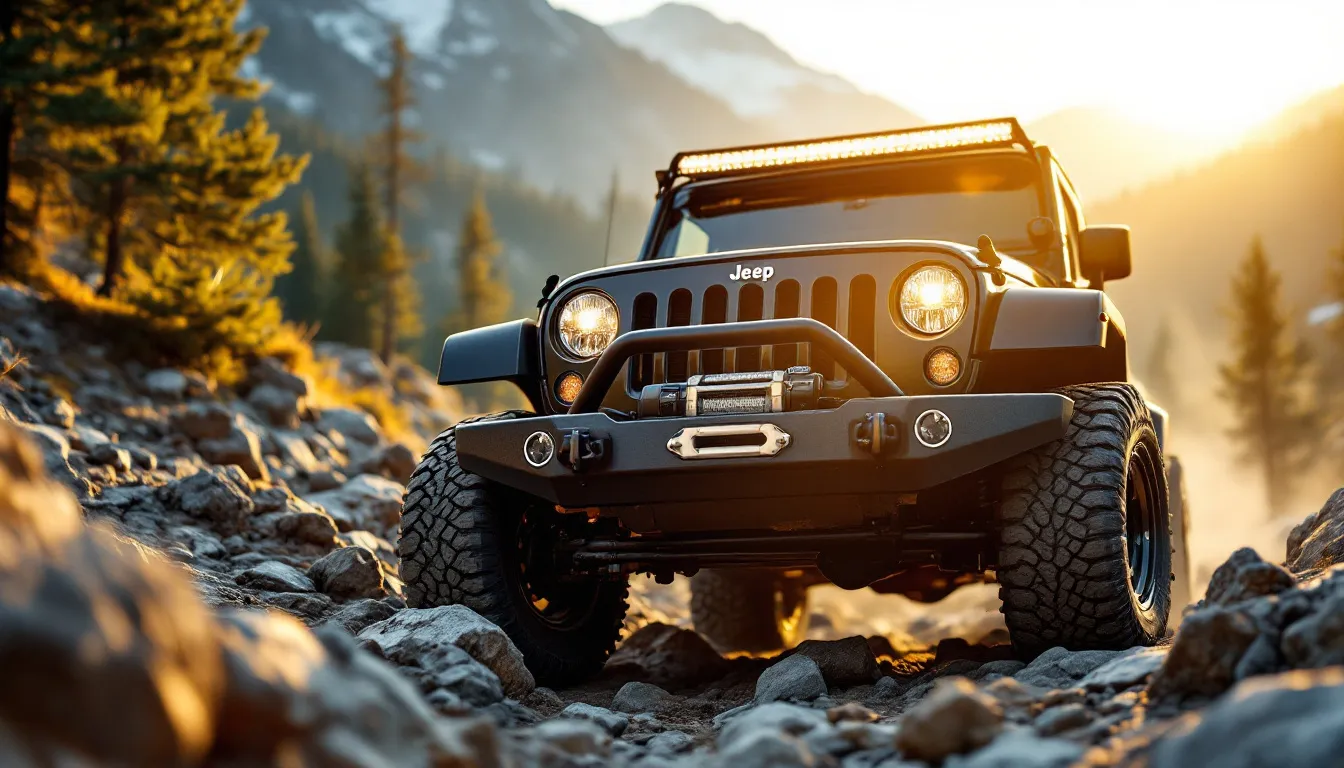
Best Jeep JK Front Bumpers with Winch Mounts: Full-Width vs Stubby Compared
A Jeep JK front bumper with winch mount is a steel or aluminum replacement for your factory plastic fascia that bolts solid protection, integrated...