Complete JK Armor Guide: Protecting Your Wrangler
Last updated: February 2, 2026
Armor is one of the most debated topics in the Jeep community. Scroll through any forum, and you’ll find people arguing about whether you need $5,000 worth of steel or whether it’s all marketing hype.
The truth is somewhere in the middle. Some armor is essential. Some is nice to have. And some is pure overkill that adds weight without adding capability.
This guide breaks down what armor actually does, what you need based on how you wheel, and in what order to buy it.
Why Armor Matters (And When It Doesn’t)
Let’s start with an uncomfortable truth: most JK owners will never need serious armor.
If you’re running stock tires on forest service roads and the occasional easy trail, your factory equipment handles it just fine. The stock bumpers, rock rails (if equipped), and transfer case skid plate are adequate for casual off-roading.
Armor becomes necessary when:
- You’re running larger tires and getting into terrain that was previously inaccessible
- You’re rock crawling and need to slide over obstacles
- You want winch capability (stock bumpers won’t handle the load)
- You’re doing technical trails where one wrong line means hitting your oil pan
- You’re overlanding in remote areas where a trail-ending mechanical failure isn’t an option
Armor doesn’t make you a better driver. It lets you take more aggressive lines and survive mistakes. Know the difference.
Get new guides by email
One email when we publish something worth reading. Unsubscribe anytime.
Types of JK Armor
Bumpers
Bumpers are typically the first armor upgrade, and they serve multiple purposes beyond protection.
Front Bumpers
Stock JK front bumpers are plastic (Sport) or painted steel (Rubicon). They’re designed for minor impacts and pedestrian safety - not recovery or rock impacts.
Aftermarket front bumpers offer:
- Winch mounting - The primary reason most people upgrade
- Recovery points - D-ring mounts rated for vehicle recovery
- Improved approach angle - Stubby bumpers clear obstacles better
- Auxiliary lighting - Most have provisions for light bars or pods
- Protection - Steel construction protects the grille and radiator
For a deep dive on specific options, see our Best JK Front Bumpers roundup.
Best budget pick: If you’re looking for a first front bumper that doesn’t break the bank, the Smittybilt SRC Carbine hits a sweet spot. It’s a mid-width design that gives you a winch plate, D-ring tabs, and decent approach angle improvement — all for under $350. It’s not as refined as a Metalcloak or AEV, but for the price, it’s hard to argue with. This is the bumper we recommend for JK owners who want winch capability without spending $1,000+.
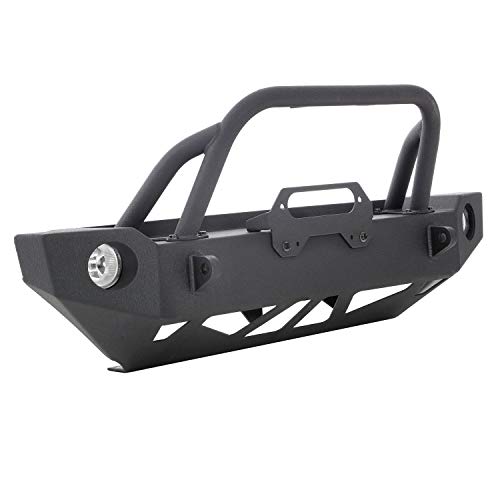
Smittybilt SRC Carbine Front Bumper (JK)
Check Price on Amazon →Rear Bumpers
Stock rear bumpers are particularly weak. They’re basically styling pieces.
Aftermarket rear bumpers provide:
- Tire carrier - Essential if you’re running larger than 33” spare
- Recovery points - For rear pulls
- Improved departure angle - Stubby or corner-cut designs
- Hitch integration - Usually 2” receiver
Check out our full Best JK Rear Bumpers comparison for more options.
The Smittybilt XRC is one of the most popular rear bumper/tire carrier combos in the JK world, and it’s not hard to see why. Running 33s or larger? Your stock tailgate hinges are living on borrowed time carrying that extra weight. The XRC moves the spare tire to a proper swing-out carrier that bolts to the frame, includes a 2” receiver hitch, and has D-ring mounts for rear recovery. The integrated tire carrier alone makes this worth considering — aftermarket carriers sold separately often cost $400+ on their own.
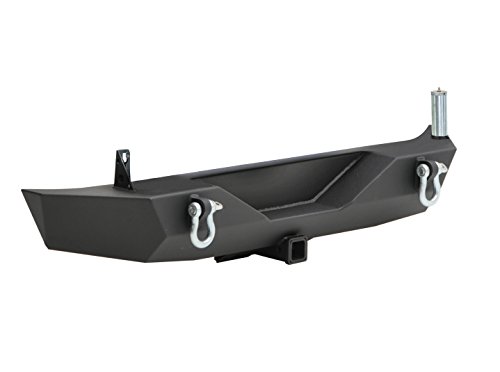
Smittybilt XRC Rear Bumper w/ Tire Carrier (JK)
Check Price on Amazon →Bumper Styles
| Style | Approach Angle | Protection | Best For |
|---|---|---|---|
| Full-width | Moderate | Maximum | Trail rigs, rock crawling |
| Mid-width | Good | Good | All-around use |
| Stubby | Excellent | Moderate | Technical trails |
| Stinger | Excellent | Moderate + rollover protection | Rock crawling |
Rock Sliders vs Rocker Guards
This is where confusion happens. They look similar but serve very different purposes.
Rock Sliders
Rock sliders bolt to the frame rails and extend outward past the rocker panels. When you slide over a rock, the slider makes contact - not your body panels.
Key characteristics:
- Frame-mounted (can support vehicle weight)
- Extend past the body line
- Allow you to “slide” over obstacles
- Can be used as a hi-lift jack point
- Typically $400-1,200
Rocker Guards
Rocker guards bolt to the body or pinch weld. They protect against scrapes and minor impacts but cannot support the vehicle’s weight.
Key characteristics:
- Body-mounted
- Sit closer to the body
- Protect against trail rash
- Cannot be used as jack points
- Typically $200-500
Which do you need?
If you’re doing anything more than mild trails, get sliders. The ability to slide over rocks without damaging your body is worth the extra cost. Plus, having frame-mounted jack points is genuinely useful on the trail — see our hi-lift jack guide for more on that. For a full breakdown of every option, read our Rock Sliders vs Rocker Guards comparison.
The Smittybilt XRC sliders are the go-to recommendation for JK owners who want real frame-mounted protection without dropping $800+ on premium brands. They use 2-inch heavy-wall DOM tubing, bolt directly to the frame with included hardware, and extend far enough past the body to actually do their job. The textured black finish holds up well, and these double as functional step bars — which your passengers will thank you for on a lifted JK. Available for both 2-door and 4-door models.

Smittybilt XRC Rock Sliders (JK 4-Door)
Check Price on Amazon →Skid Plates
Skid plates protect your underbody components from rock strikes. The JK has several vulnerable areas underneath.
Engine/Oil Pan Skid
The most critical skid plate. A punctured oil pan ends your day immediately.
- Stock JKs have a basic plastic splash shield (not protection)
- Aftermarket skids are 3/16” to 1/4” steel or aluminum
- Should cover the oil pan and front crossmember
- Price: $150-400
Transmission Skid
Protects the transmission pan and crossmember.
- Stock Rubicons include a basic skid
- Aftermarket options offer better coverage
- Price: $150-350
Transfer Case Skid
The transfer case hangs lower than you’d think, especially with a lift.
- Stock Rubicons have a transfer case skid
- Essential for rock crawling
- Price: $150-300
Gas Tank Skid
The JK gas tank is surprisingly exposed, especially the JKU.
- Rarely an issue on mild trails
- Important for serious rock crawling
- Price: $200-400
Evap Canister Skid
Often overlooked. The evap canister hangs low on the driver’s side.
- Check engine light waiting to happen
- Relatively cheap protection
- Price: $75-150
For detailed product comparisons, check our Best JK Skid Plates guide.
Rugged Ridge makes a solid line of JK skid plates that we frequently recommend because they offer good fitment at reasonable prices. Here are three key pieces worth considering — you don’t need all of them at once, but they cover the most vulnerable areas.
The steering skid is the one most people overlook, and it’s the cheapest protection you can add. A rock strike to your steering box or tie rod means you’re getting towed home. At $120, this is insurance that pays for itself the first time you hear a rock ping off it instead of your steering components.
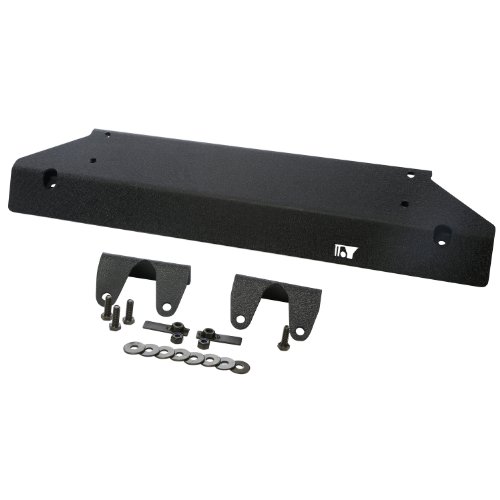
Rugged Ridge Steering Skid Plate (JK)
Check Price on Amazon →The engine/transmission skid is the most critical piece of underbody armor. A punctured oil pan or cracked transmission housing can cost thousands to repair — and that’s if you can even get off the trail. This Rugged Ridge unit covers both the engine oil pan and the transmission pan in a single piece of 3/16” stamped steel.
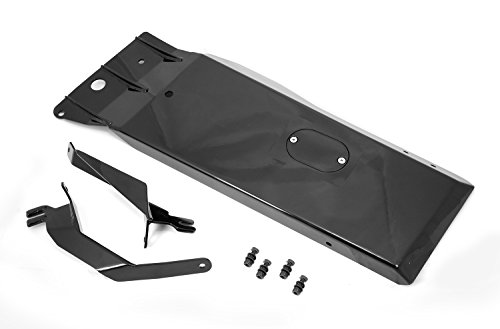
Rugged Ridge Engine/Trans Skid Plate (JK 2012-2018)
Check Price on Amazon →And for under $80, the evap canister skid is possibly the best value in JK armor. The evap canister hangs low on the driver’s side and catches rocks constantly on technical trails. Without protection, a damaged canister triggers a check engine light that’ll cost more to diagnose than this skid plate costs to buy. Bolts on in 20 minutes with hand tools.
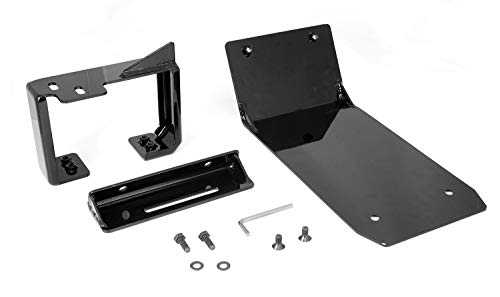
Rugged Ridge Evap Canister Skid Plate (JK)
Check Price on Amazon →Fender Armor
Stock fenders are plastic and crack easily when branches or rocks make contact. They also limit tire size.
Fender Flares
Aftermarket fenders range from stock-looking replacements to tube fenders that dramatically change the look.
- OEM-style: Replace cracked stockers, same coverage
- Flat fenders: More tire clearance, different look
- Tube fenders: Maximum clearance, minimal coverage
- High-line fenders: Allow for 37”+ tires without extreme lift
For a full comparison of every fender option, see our Best JK Fender Flares guide.
Bushwacker has been making fender flares longer than most JK owners have been alive, and their flat-style flares are a favorite for good reason. They give you noticeably more tire clearance than stock flares (enough for 35s on most setups), use the factory mounting holes so installation is truly bolt-on, and the Dura-Flex 2000 material is flexible enough to survive branch strikes without cracking. They look clean too — the flat profile gives your JK a more aggressive stance without going full tube fender.
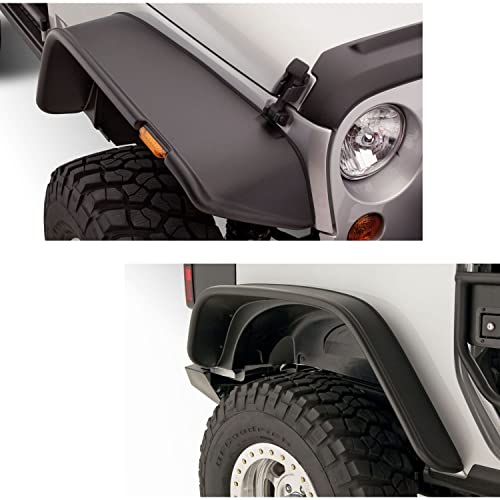
Bushwacker Flat Style Fender Flares (JK 2-Door, Set of 4)
Check Price on Amazon →Inner Fender Liners
Often forgotten. They protect your engine bay from debris kicked up by the tires.
- Aluminum liners are popular
- Some integrate with fender flares
- Price: $100-300 per side
Corner Guards
Corner guards protect the rear body corners - one of the most commonly damaged areas.
- Bolt-on guards protect against trail rash
- Most are cosmetic protection only
- Some integrate with fender flares
- Price: $100-400
Differential Covers
Often overlooked, heavy-duty differential covers replace the thin factory stamped-steel covers that are extremely vulnerable to rock strikes. A cracked diff cover means losing all your gear oil on the trail — a day-ending problem.
The AEV diff cover is our top pick for JK Dana 44 axles. It’s cast from nodular iron (much thicker and tougher than the factory stamped steel), adds extra gear oil capacity for better cooling, and includes a fill/drain plug that makes fluid changes dramatically easier. AEV is the company Jeep trusts to build their official premium accessories, so the engineering quality is top-notch. At $200, it’s one of the most cost-effective ways to protect a $2,000+ axle assembly.

AEV Dana 44 Differential Cover (JK)
Check Price on Amazon →Steel vs Aluminum: The Great Debate
This argument never ends. Here’s the honest breakdown.
Steel
Pros:
- Stronger pound-for-pound
- Can be welded for trail repairs
- Generally cheaper
- Takes impacts without deforming
Cons:
- Heavy (a steel bumper can add 80-150 lbs)
- Rusts if not maintained
- Cumulative weight adds up fast
Aluminum
Pros:
- Significantly lighter (40-50% weight savings)
- Won’t rust
- Still very strong for most applications
Cons:
- Can’t be welded on the trail
- More expensive
- Can crack rather than bend under extreme force
- Less “tough” feeling
The Verdict
For most JK owners, steel makes sense for bumpers (winch mounting and recovery loads) and aluminum makes sense for skid plates (frequent ground contact, weight savings).
If you’re building a dedicated rock crawler, full steel. If you’re building a daily driver that sees trails on weekends, consider aluminum where possible.
What Armor You Need Based on Your Build
Mall Crawler / Pavement Princess
What you need: Honestly? Nothing. Your stock equipment is fine.
If you want the look, get:
- Aftermarket bumpers for aesthetics
- That’s it
Budget: $0-1,500 (cosmetic only)
Weekend Warrior / Light Trails
What you need:
- Front bumper with winch mount (self-recovery capability)
- Recovery points front and rear
- Engine/oil pan skid plate
Nice to have:
- Rock sliders (insurance against mistakes)
- Rear bumper with tire carrier (if running 33”+)
Budget: $1,500-3,000
Serious Wheeler
What you need:
- Steel front bumper with winch
- Steel rear bumper with tire carrier
- Rock sliders (frame-mounted)
- Full belly armor (engine, trans, transfer case, gas tank)
Nice to have:
- Differential covers
- Control arm skids
- Corner guards
Budget: $3,500-6,000
Rock Crawler / Competition
What you need:
Everything above, plus:
- Full tube fenders or high-line conversion
- Heavy-duty differential covers
- Control arm skids
- Body armor anywhere contact is possible
At this level, you’re building armor around the specific lines you run.
Budget: $6,000-12,000+
Order of Importance: What to Buy First
If you’re building your JK over time, here’s the priority order based on protecting what matters most.
Priority 1: Recovery Capability
Front bumper with winch mount - A winch is your most important recovery tool. Stock bumpers can’t handle the load.
Priority 2: Protect Critical Components
Engine/oil pan skid - A punctured oil pan ends your trip instantly. This is cheap insurance.
Priority 3: Protect the Body
Rock sliders - Body damage is expensive and depressing. Sliders let you take aggressive lines without destroying your rocker panels.
Priority 4: Complete Underbody Protection
Transmission and transfer case skids - Now you’re protected from tip to tail underneath.
Priority 5: Recovery Points
Rear bumper with recovery points - Completes your recovery setup.
Priority 6: Everything Else
Gas tank skid, differential covers, fenders, corners - Important for serious wheeling but not critical for most users.
Weight Considerations
Here’s what nobody wants to talk about: armor is heavy.
| Component | Steel Weight | Aluminum Weight |
|---|---|---|
| Front bumper | 80-150 lbs | 50-80 lbs |
| Rear bumper w/ tire carrier | 100-180 lbs | 60-100 lbs |
| Rock sliders (pair) | 80-120 lbs | 40-60 lbs |
| Full skid plate kit | 100-150 lbs | 50-80 lbs |
| Total | 360-600 lbs | 200-320 lbs |
A fully armored JK can easily carry 400+ extra pounds. That affects:
- Fuel economy - Expect 1-3 mpg loss
- Braking - More weight means longer stopping distances
- Suspension - May need to adjust for added weight
- Payload capacity - You have less room for gear and passengers
- Acceleration - The 3.6L already struggles with 35s
If weight concerns you, prioritize:
- Aluminum skid plates
- Stubby bumpers instead of full-width
- Tube bumpers instead of plate bumpers
Every pound you don’t add is a pound you don’t have to carry.
Cost Breakdown by Protection Level
Basic Protection ($1,000-2,000)
- Aftermarket front bumper: $500-1,000
- Engine skid plate: $200-350
- Recovery points: $50-150
Moderate Protection ($2,500-4,500)
- Quality front bumper with winch mount: $800-1,500
- Rear bumper with tire carrier: $700-1,200
- Rock sliders: $400-800
- Engine and transmission skids: $350-600
Full Protection ($5,000-8,000)
- Premium front bumper: $1,000-1,800
- Premium rear bumper: $900-1,500
- Rock sliders: $600-1,200
- Full belly armor kit: $800-1,500
- Corner guards: $150-400
- Fender upgrades: $400-1,000
Add Professional Installation
If you’re not doing the work yourself:
- Bumper installation: $150-300 each
- Slider installation: $200-400
- Skid plate installation: $100-200
- Full armor install: $500-1,000
The Honest Truth About Armor
Here’s what the marketing won’t tell you.
You don’t need as much as you think. Most trail damage comes from driver error, not lack of armor. Better driving prevents more damage than better armor.
Armor doesn’t fix bad lines. If you’re constantly hitting your skid plates, you’re choosing bad lines. Armor is for the occasional mistake, not constant abuse.
Quality matters more than coverage. A well-made engine skid from a reputable brand beats a full “armor kit” from a no-name seller.
Weight adds up fast. Every piece of armor is a trade-off. Add what you need, not what looks cool.
Installation matters. Poorly mounted armor can cause more damage than no armor. Frame-mounted components need to be installed correctly.
Popular JK Armor Brands
These brands have proven track records in the JK community:
Premium Tier:
- Metalcloak - Excellent engineering, lifetime warranty
- AEV - OEM+ quality, premium pricing
- Poison Spyder - Heavy-duty rock crawler focus
- GenRight - Purpose-built competition gear
Mid-Range:
- Smittybilt - Good value, decent quality
- Rugged Ridge - Wide selection, reasonable prices
- Rough Country - Budget-friendly, improving quality
Budget:
- Barricade - Entry-level pricing
- Havoc - Affordable basics
You generally get what you pay for. Budget armor works but may not survive the same abuse as premium options.
Detailed Armor Guides
- Best JK Front Bumpers - Detailed comparison of front bumper options, winch mounting, and approach angles
- Best JK Rear Bumpers - Tire carriers, D-ring mounts, and rear protection options
- Rock Sliders vs Rocker Guards - Complete comparison of side protection options
- Best JK Skid Plates - Protect your undercarriage with oil pan, transmission, and transfer case coverage
- Best JK Fender Flares - Tire clearance, protection, and aesthetic options
Related Articles
- Best JK Lift Kits - Lifting changes your clearance and armor needs
- JK Winch Installation Guide - Integrate your winch with your front bumper
- Best Winches for JK - Find the right winch to pair with your bumper
- Best JK Light Bars - Combine lighting with your bumper armor setup
- Best Mud Terrain Tires JK - Pair larger tires with your fender flares and armor
- Best D-Ring Shackles - Recovery points to match your bumper setup
- JK Recovery Gear Checklist - Complete recovery kit to go with your armored build
- Best JK Diff Covers - Protect your axles with heavy-duty covers
- JK Death Wobble: Causes and Fixes - Bumper weight can affect steering components
- Rubicon vs Sport vs Sahara - Factory armor differences between trims
- JK Spring Trail Prep Checklist - Get your armored rig trail-ready each season
Have questions about what armor makes sense for your build? Drop a comment or send us your setup details - we’re happy to help.
Frequently Asked Questions
Do I need a steel bumper for off-roading?
Not necessarily. Stock bumpers handle light trails fine. Steel bumpers become necessary when you want to mount a winch (the primary reason for upgrading), need rated recovery points, or are doing serious rock crawling where impact protection matters. Many capable overland and trail rigs run stock bumpers with aftermarket recovery points added. Match your armor to your actual use, not worst-case scenarios you’ll never encounter.
What’s the difference between rock sliders and rocker guards?
Rock sliders mount to the frame and extend past the rocker panels, allowing you to literally “slide” over rocks without body contact. They can support the vehicle’s weight and work as hi-lift jack points. Rocker guards bolt to the body and protect against scrapes and minor impacts but cannot support vehicle weight. If you’re doing anything beyond mild trails, sliders are worth the extra investment.
Which skid plates do I actually need?
At minimum, protect your oil pan - a punctured oil pan ends your trip immediately and costs $500+ to fix on the trail. Add transmission protection for moderate trails. Full belly armor (engine, transmission, transfer case, gas tank) is recommended for serious rock crawling. The evap canister skid is often overlooked but prevents a common check engine light trigger.
How much weight does full armor add to a JK?
A fully armored JK with steel bumpers, sliders, and skid plates can add 400-600 pounds. This impacts fuel economy (1-3 mpg loss), braking distance, and payload capacity. Aluminum components can cut this weight roughly in half. Consider stubby bumpers and aluminum skids if weight is a concern.
Should I get steel or aluminum armor?
Steel is stronger, cheaper, and can be welded for trail repairs. Aluminum is significantly lighter and won’t rust. For most JK owners, steel bumpers (for winch loads and recovery strength) combined with aluminum skid plates (for weight savings) is the optimal balance. Dedicated rock crawlers typically go full steel; daily drivers benefit from aluminum where possible.
What armor should I buy first?
Priority order: (1) Front bumper with winch mount for self-recovery capability, (2) Engine/oil pan skid plate to protect your most critical component, (3) Rock sliders to protect expensive body panels, (4) Transmission and transfer case skids for complete underbody protection, (5) Rear bumper with recovery points. Add fenders, corner guards, and differential covers as budget allows.
Free: JK Fluids at a Glance
Every fluid, spec and capacity for the 2007-2018 Wrangler JK on one page, plus a cut-out glovebox card. Checked against the owner's manuals. From the JK Service Kit.
Email me the download and new guides when they are published. Unsubscribe anytime. Privacy Policy.
Frequently Asked Questions
Do I need a steel bumper for off-roading?
Not necessarily. Stock bumpers handle light trails fine. Steel bumpers are needed for winch mounting, serious rock crawling, or recovery point strength. Consider your actual use - many overland rigs run stock bumpers with aftermarket recovery points.
What's the difference between rock sliders and rocker guards?
Rock sliders mount to the frame and extend past the rocker panels, allowing you to 'slide' over rocks. Rocker guards bolt to the body and protect against scrapes but won't support the vehicle's weight. Sliders offer more protection but cost more.
Which skid plates do I actually need?
At minimum, protect your oil pan and transmission. Add transfer case protection for moderate trails. Full belly armor (engine, transmission, transfer case, gas tank) is recommended for serious rock crawling.
What armor should I install first on my Jeep JK?
Start with rock sliders — they protect the most vulnerable and expensive-to-repair body panels during daily driving and mild trails. Next, add skid plates for underbody protection. Front and rear bumpers come third, and fender flares last. This order maximizes protection value per dollar for most JK owners.
How much does full JK armor cost?
Budget $2,500-5,000 for comprehensive JK armor including rock sliders ($400-800), front bumper ($500-1,200), rear bumper ($400-900), skid plates ($300-600), and fender flares ($200-500). DIY installation saves $1,000-2,000. Quality steel armor adds 200-400 lbs to your JK, so factor in suspension upgrades for heavily armored builds.
Allan
I'm Allan. I own a 2014 Jeep Wrangler JKU and I research the hell out of every mod before I touch it. When I've fitted something to my own Jeep, I say so. Everything else is researched from manufacturer specs and other owners' reports. No sponsored fluff.
Learn more about me →Free: JK Fluids at a Glance
Every fluid, spec and capacity for the 2007-2018 JK on one page, plus a glovebox card.
Email me the download and new guides when they are published. Unsubscribe anytime. Privacy Policy.
Related Articles
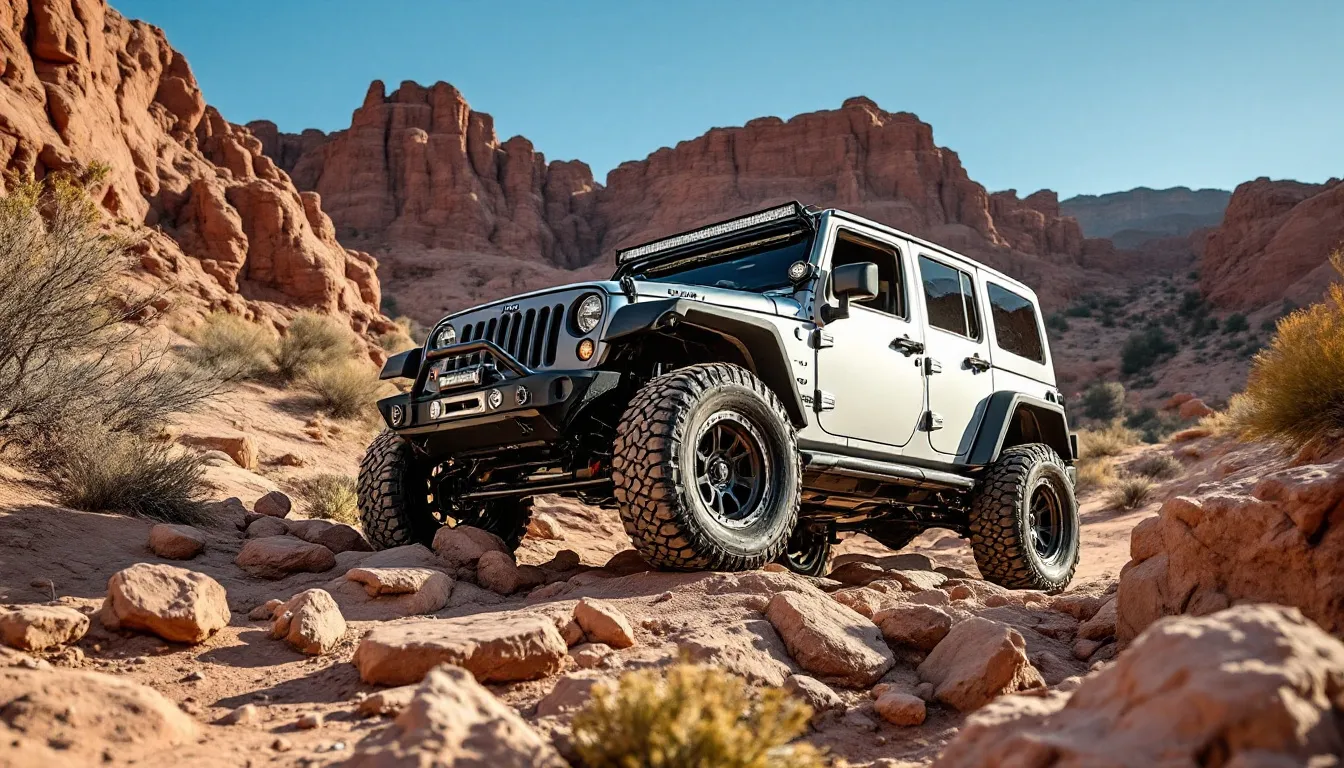
Best JK Rocker Panel & Body Armor: Complete Protection Kits Ranked
JK body armor is any aftermarket steel or aluminum protection — rocker guards, rock sliders, skid plates, or tube fenders — bolted to a 2007–2018 Jeep...
Jeep JK Rock Sliders vs Side Steps: Protection, Looks & Which One You Actually Need
Rock sliders are heavy-gauge steel (or aluminum) tubes or plates that bolt or weld to your Jeep's frame, sitting flush along the rocker panels to...
Best Jeep JK Front Bumpers with Winch Mounts: Full-Width vs Stubby Compared
A Jeep JK front bumper with winch mount is a steel or aluminum replacement for your factory plastic fascia that bolts solid protection, integrated...