JK Spring Trail Prep Checklist: Get Your Wrangler Ready for Trail Season
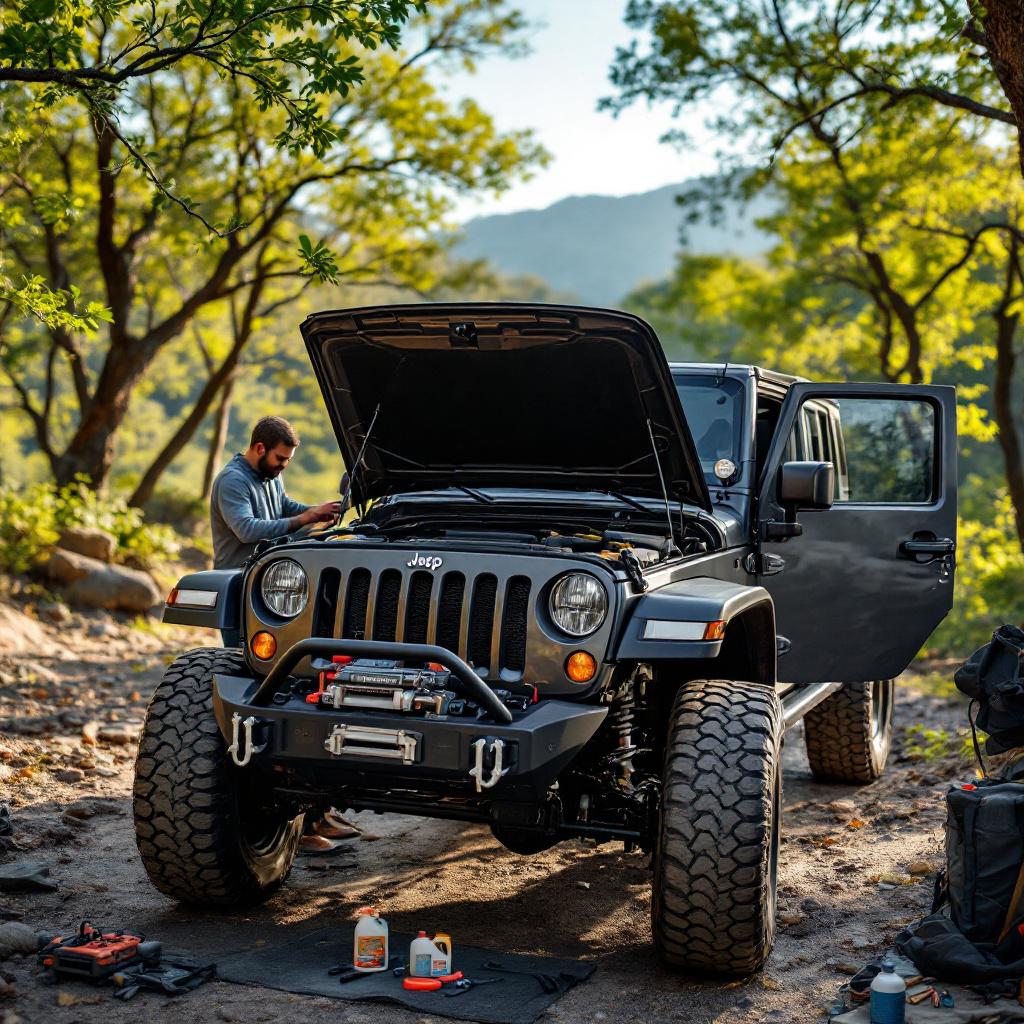
Winter is over. The trails are drying out, the weather is warming up, and your JK has been waiting patiently in the garage — or worse, sitting outside collecting road salt and grime since November. Before you bolt on the doors and head for the nearest trailhead, your Wrangler needs some attention.
This isn’t a generic “check your oil” article. This is a trail-specific prep checklist built for JK owners who actually use their rigs off-road. Every item here exists because skipping it has left someone stranded on a trail, broken down on a fire road, or worse.
Under the Hood: Fluids and Filters
The engine bay is where spring prep starts. If your JK sat for any extended period over winter, fluids degrade and condensation builds. Even if you drove daily through winter, salt-belt conditions and cold starts take a toll.
Engine Oil and Filter
If you’re within 1,000 miles of your next oil change, just do it now. Starting the season with fresh oil costs you nothing extra and eliminates one variable from your first trail day. The 3.6L Pentastar (2012-2018) takes 6 quarts of 5W-20 and a Mopar 68191349AC filter. The 3.8L V6 (2007-2011) takes 6 quarts of 5W-20 with a Mopar 4892339AB filter.
If your JK sat for more than 30 days without running, change the oil regardless of mileage. Condensation accumulates in the crankcase during storage and dilutes the oil’s protective properties. You’ll often see a milky residue on the oil filler cap — that’s moisture contamination. For more details, check out our JK oil change interval guide and our complete JK fluid specs guide.
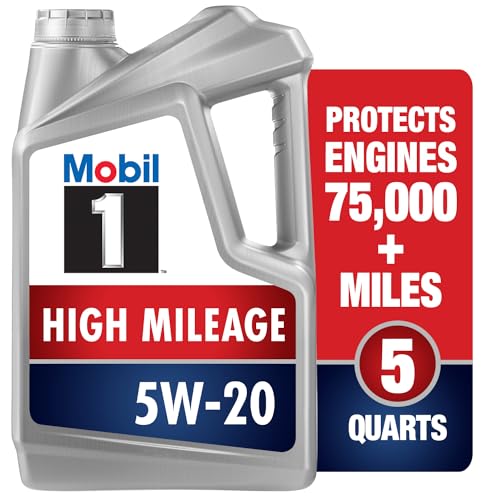
Mobil 1 5W-20 Full Synthetic (5 Quart)
⭐⭐⭐⭐⭐ 4.8/5 — Top pick for the 3.6L and 3.8L Pentastar
Check Price on Amazon →Differential Fluid
This is the single most skipped maintenance item among JK owners, and it’s the one that causes the most expensive failures. Your Dana 30 front axle and Dana 44 rear axle (Rubicon gets Dana 44 front and rear) need fresh 75W-90 gear oil. If you have limited-slip or lockers, add the appropriate friction modifier.
Check for water contamination by pulling the diff cover bolts or the fill plug. If the fluid looks milky, gray, or has visible water droplets, change it immediately. Water in differential fluid destroys bearings and gears faster than almost anything else. This is especially critical if you did any water crossings last season. For a deeper dive into differential maintenance, see our best JK diff covers guide.
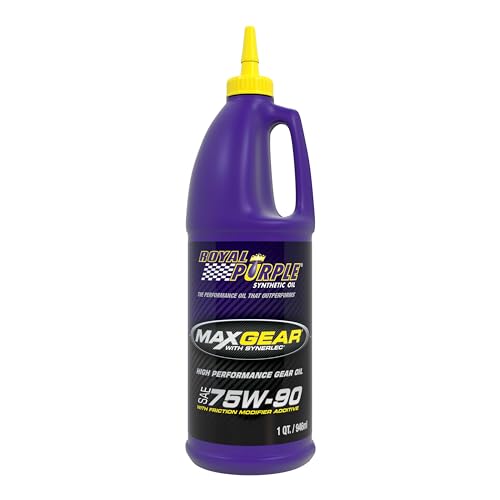
Royal Purple 75W-90 Max-Gear Synthetic Gear Oil
⭐⭐⭐⭐⭐ 4.8/5 — Superior protection for Dana 30/44 axles
Check Price on Amazon →Transfer Case Fluid
The NV241 (Rubicon) and NP231 (non-Rubicon) transfer cases use ATF+4 automatic transmission fluid. Check the fluid level and condition. If it’s dark or smells burnt, swap it. Transfer case fluid changes are cheap insurance — the fluid costs about $30, and the alternative is a $1,500+ rebuild.
Coolant System
With your engine cold, check the coolant level in the overflow reservoir. It should be between the MIN and MAX lines. If it’s low, don’t just top it off — look for leaks. Common JK coolant leak points include the water pump weep hole, radiator hose clamps, heater core connections, and the thermostat housing gasket.
Squeeze the upper and lower radiator hoses. They should feel firm but pliable. If either hose feels spongy, swollen, or crunchy, replace it before trail season. A blown radiator hose 15 miles down a fire road turns a fun day into an expensive tow. For more on keeping your JK’s cooling system healthy, check our maintenance guide.
Brake Fluid
Pop the brake fluid reservoir cap and look at the fluid color. Fresh brake fluid is clear to light amber. If yours is dark brown or black, it’s absorbed moisture and its boiling point has dropped significantly. This matters on the trail because extended downhill sections and rock crawling heat up brakes fast. Old fluid can boil, giving you a spongy pedal or no brakes at all. Flush and replace with DOT 4 fluid — it takes about 30 minutes and a quart of fluid. See our JK brake upgrade guide for more detail.
Air Filter
Pull your air filter and hold it up to light. If you can’t see light through it, replace it. Trail dust, mud, and winter road grime clog air filters faster than city driving. A restricted filter hurts power, fuel economy, and can let unfiltered air past the seal. A quality replacement filter like the Mopar 4861756AB costs $15-25 and takes 5 minutes to install.
Get new guides by email
One email when we publish something worth reading. Unsubscribe anytime.
Underneath: Suspension and Steering
Everything under your JK takes a beating, especially if you live in salt-belt states or drove on gravel roads all winter. Get under there with a flashlight and look for problems before the trail finds them for you.
Ball Joints and Tie Rod Ends
Grab each front tire at the 12 and 6 o’clock positions and try to rock it. Any play indicates worn ball joints. Then grab at 3 and 9 o’clock and try to rock it — play here points to tie rod ends or wheel bearings. JK ball joints are a known wear item, especially on lifted trucks running larger tires. If you feel any looseness, replace them before trail season. Worn ball joints on the trail can cause complete loss of steering control.
Control Arms and Track Bar
Inspect the control arm bushings for cracking, tearing, or separation. The rubber bushings degrade over time, and winter cold accelerates cracking. Check the front and rear track bar bushings as well. A loose track bar creates a wandering steering feel on the highway and unpredictable behavior off-road. For more on upgrading, check our guides to the best JK control arms and best JK track bars.
Shocks
Look for oil leaking from the shock bodies. If any shock is wet with fluid, it’s blown and needs replacement. Even if they’re not leaking, push down hard on each corner of the Jeep and release. The body should return to ride height and settle in one bounce. If it bounces more than once or twice, the shock valving is worn. Read our best JK shocks guide for replacement options.
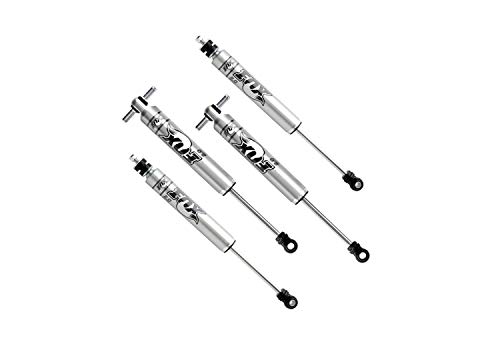
Fox 2.0 Performance Series Shocks
⭐⭐⭐⭐⭐ 4.7/5 — Best all-around upgrade for on/off-road
Check Price on Amazon →Steering Stabilizer
The steering stabilizer (the damper mounted between the axle and tie rod) wears out gradually, so you might not notice the degradation. If your steering feels looser than it used to, or if you get a shimmy after hitting a bump, the stabilizer may be shot. Inspect for fluid leaks and bent shafts. Our steering stabilizer guide covers the best replacement options.
Sway Bar Links and Disconnects
Check the sway bar end links for play. Worn end links clunk over bumps and reduce body roll control on the highway. If you have aftermarket disconnects, verify the disconnect mechanism works smoothly and the retaining clips or pins are secure. A sway bar disconnect that fails to re-engage properly is dangerous on highway-speed pavement. Check our sway bar disconnect guide for options.
If you’re running a lift kit, spring is a good time to re-torque all suspension hardware. Bolts can loosen over time, especially after temperature cycling through winter. Our lift kit installation guide has the full torque spec chart.
Wheels and Tires
Your tires are the single most important safety component on your JK. They’re also the most common point of failure on the trail. Spend 15 minutes here now and save yourself from being stranded later.
Tread Depth and Condition
The legal minimum tread depth is 2/32”, but for off-road use you want at least 6/32” remaining for adequate mud and loose surface traction. Use a tread depth gauge — the penny test isn’t precise enough for trail tires. Check tread depth at multiple points across each tire. Uneven wear patterns tell you about alignment issues, improper inflation, or worn suspension components.
Sidewall Inspection
This is critical after winter storage. Cold temperatures and UV exposure cause rubber to dry out and crack. Look for cracks, cuts, bulges, or any damage to the sidewalls. Run your hand along the sidewall and feel for soft spots or irregularities. A sidewall with visible cracking may hold air fine at highway pressure but could blow out when aired down to 15 PSI on the trail. If you’re due for new rubber, check our best all-terrain tires guide.
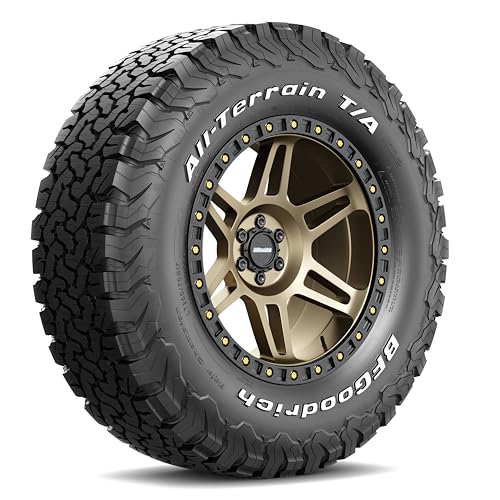
BFGoodrich All-Terrain T/A KO2
⭐⭐⭐⭐⭐ 4.8/5 — The gold standard JK all-terrain tire
Check Price on Amazon →Lug Nut Torque
Torque all lug nuts to 100 ft-lbs using a torque wrench — not an impact gun. Over-torqued lug nuts warp rotors. Under-torqued lug nuts let wheels come loose. Both are bad. If you’ve had a tire shop mount or rotate tires recently, they almost certainly used an impact gun and over-torqued them. Break them all loose and re-torque to spec.
Spare Tire
When was the last time you checked your spare? Pull it down, check the pressure, inspect the sidewall, and verify the mounting hardware is tight and not corroded. A flat spare at the trailhead is an incredibly preventable problem. Match the spare’s pressure to your other tires. For more on wheel specs, see our backspacing and offset guide and the complete wheels and tires guide.
Brakes
Brakes get hammered on the trail. Descending steep grades, crawling over obstacles, and sudden stops all generate tremendous heat. Make sure your braking system is ready.
Pads and Rotors
Pull a front wheel and visually inspect the brake pads. You should have at least 4mm of pad material remaining for trail use — more is better. Check the rotor surface for deep grooves, scoring, or hot spots (visible discoloration). Run your finger across the rotor surface. If you feel a pronounced lip at the edge, the rotors are worn and should be replaced or resurfaced. See our brake upgrade guide for performance options.
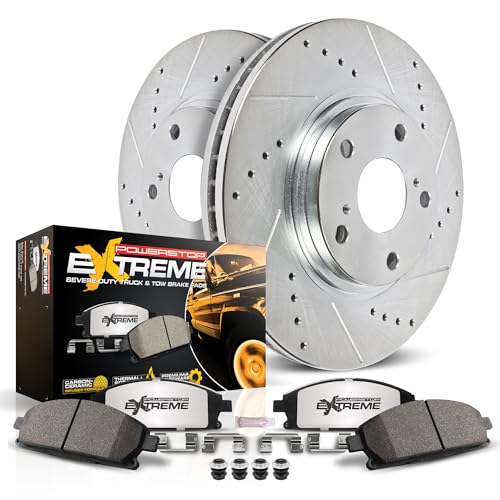
Power Stop Z36 Truck & Tow Brake Kit
⭐⭐⭐⭐⭐ 4.6/5 — Carbon-fiber ceramic pads + drilled/slotted rotors
Check Price on Amazon →Brake Lines
Follow the rubber brake lines from the calipers up to the hard lines on the frame. Look for cracks, abrasion, bulging, or any signs of seeping fluid. On lifted JKs, check that the brake lines aren’t stretched taut at full droop — this is a common issue that can cause lines to tear when the suspension extends fully off-road. Extended stainless steel brake lines solve this permanently.
Electrical and Lighting
A dead battery or failed light on the trail isn’t just inconvenient — it can be dangerous. Night falls fast in canyons and forests, and you need every light working.
Battery
Clean the battery terminals with a wire brush and apply dielectric grease or anti-corrosion washers. Test the battery voltage — a healthy battery reads 12.6V or higher with the engine off. If it’s below 12.4V, charge it fully and retest. Batteries that sat through winter without a tender often lose capacity permanently. If your battery is more than 4 years old, consider replacing it proactively. For JKs with aftermarket electrical, see our dual battery setup guide.
Lights
Turn on every light your JK has: headlights (low and high beam), fog lights, turn signals, brake lights, reverse lights, and any auxiliary LED bars or pod lights. Walk around the vehicle and verify each one works. Replace burnt bulbs now, not at the trailhead. If you’re running aftermarket LED headlights, check the aim — winter potholes and suspension changes can knock them out of alignment.
Winch
If you have a winch, spring prep is mandatory. Unspool the full length of rope or cable, inspect for fraying, kinks, or abrasion, and re-spool under tension. Test the winch motor under light load — hook the rope to a tree with a tree saver and pull the Jeep forward a few feet. Verify the clutch engages and disengages smoothly, the remote control works, and the motor sounds healthy. Check our winch guide and winch installation guide for more.

Warn Zeon 10-S (10,000 lb Synthetic Rope)
⭐⭐⭐⭐⭐ 4.7/5 — Premium Warn winch for serious off-roading
Check Price on Amazon →Communication Gear
Test your CB radio or GMRS radio. Check antenna connections, verify you can transmit and receive on the channels your trail group uses, and replace batteries in handheld units. Communication is critical for trail safety, especially in areas without cell service. Our CB radio guide covers the best options.
Recovery and Trail Gear
Spring is the time to lay out all your trail gear and make sure nothing is expired, damaged, or missing from your kit.
Recovery Straps and Shackles
Inspect your recovery straps for any cuts, fraying, or UV damage. Nylon straps degrade in sunlight, and a strap that sat in the back of your Jeep near a window all winter may have weakened significantly. Check D-ring shackles for corrosion, bent pins, or damaged threads. Replace any questionable hardware — a shackle failure under load is extremely dangerous. See our recovery gear checklist for the full rundown.
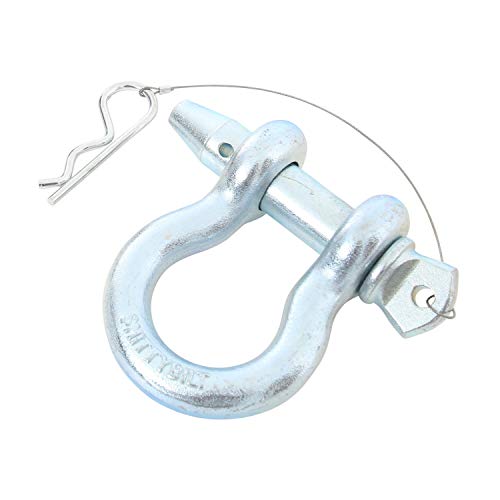
Smittybilt 3/4" D-Ring Shackle (Pair)
⭐⭐⭐⭐⭐ 4.7/5 — 4.75-ton capacity, powder-coated steel
Check Price on Amazon →Traction Boards
If you carry traction boards, check the nodules for excessive wear and make sure the mounting straps or brackets are secure. Clean off any dried mud from last season — packed mud adds weight and can harbor moisture that degrades the board material.
First Aid Kit and Fire Extinguisher
Open your first aid kit and check expiration dates on medications, antiseptics, and adhesives. Restock anything used or expired. Check your fire extinguisher gauge — the needle should be in the green zone. If it’s in the red or the extinguisher is past its inspection date, replace it. Trail fires from hot catalytic converters on dry grass are more common than you think.

H3R HalGuard Clean Agent Extinguisher
Check Price →Tool Kit
Verify your trail tool kit is complete. At minimum you need: socket set (metric and SAE), combination wrenches, pliers, screwdrivers, a breaker bar, zip ties, duct tape, and a tire plug kit with CO2 cartridges. Check that tire deflators work and your portable air compressor powers on and holds pressure.
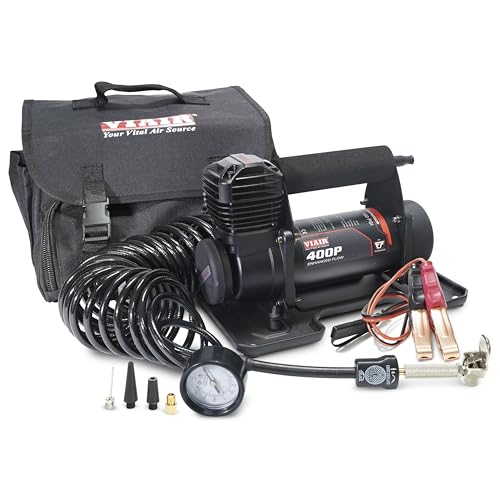
VIAIR 400P EF Enhanced Flow Compressor
⭐⭐⭐⭐⭐ 4.7/5 — Fills 35" tires fast, connects to battery
Check Price on Amazon →Body and Armor
Give your JK a thorough visual inspection before trail season. Winter roads do damage that’s easy to miss until something fails at the worst moment.
Undercarriage Wash
If you live in a state that uses road salt, get under your JK with a pressure washer and clean everything. Salt corrodes frame rails, brake lines, electrical connectors, and suspension hardware. Pay extra attention to the inside of the frame rails, the area around the fuel tank skid plate, and the transmission crossmember. If you have skid plates, remove them to clean trapped debris underneath.
Bumpers and Rock Sliders
Inspect mounting bolts on your front bumper, rear bumper, and rock sliders. Vibration and trail impacts loosen hardware over time. Re-torque everything to spec. Check for cracks at weld points and stress risers — especially on budget-friendly sliders that may use thinner steel.
Fender Flares and Clearance
If you’re running aftermarket fender flares, check the mounting hardware and trim alignment. Winter expansion and contraction can loosen clips and shift flare positioning. Verify you still have adequate tire clearance at full lock and full suspension compression. If you’ve settled on new springs over winter, you may have less clearance than last season.
The Pre-Trail Final Check
The night before your first trail ride, do a final systems check:
| Check Item | What to Verify | Time Required |
|---|---|---|
| Fluid levels | Oil, coolant, brake fluid, power steering on dipstick/sight glass | 5 minutes |
| Tire pressure | All 5 tires at correct pressure, deflators packed | 5 minutes |
| Lights | All exterior lights functional, aux lights aimed | 5 minutes |
| Recovery gear | Straps, shackles, boards loaded and accessible | 5 minutes |
| Communication | Radio powered on, correct channel, batteries fresh | 3 minutes |
| Tools | Kit complete, compressor tested, plug kit stocked | 5 minutes |
| Fluids to carry | 1 qt oil, 1 gal coolant, 1 can brake clean packed | 3 minutes |
| Emergency info | Trail name/GPS coords shared with someone not on the trip | 2 minutes |
That last item isn’t about your Jeep — it’s about you. Always tell someone where you’re going and when you expect to be back. Cell service is unreliable on most trails, and if something goes seriously wrong, someone needs to know where to send help.
Seasonal Upgrades Worth Considering
If your spring inspection reveals components that are worn but not yet failed, trail season is the worst time to push your luck. Here are the upgrades that pay for themselves in reliability:
Stainless steel brake lines — if your rubber lines are cracked or your JK is lifted, extended stainless lines eliminate the biggest single safety risk on a lifted JK. Budget $80-150 for a set.
Fresh shocks — if yours are leaking or your ride quality has deteriorated, new shocks transform how your JK handles both on-road and off. See our best JK shocks guide for options at every budget.
Portable air compressor — if you don’t have one yet, this is the single most useful trail accessory. Airing down for the trail and back up for the highway is the easiest performance gain available. Check our compressor guide and onboard air guide.
Battery upgrade or tender — if your battery struggled through winter, a new AGM battery or a quality solar tender prevents the most common trail no-start scenario. Our electrical upgrades guide covers your options.
Related Guides
- JK Maintenance Guide — Complete maintenance schedule and service intervals
- JK Fluid Specs Guide — Every fluid type and capacity for your JK
- JK Oil Change Interval Guide — How often to change oil based on your driving
- JK Death Wobble: Causes and Fixes — Diagnose and fix the dreaded front-end shake
- Recovery Gear Checklist — Everything you need for safe trail recovery
- Best JK Lift Kits — Find the right lift for your build
- Gear Ratio Guide — Do you need to regear after upsizing tires?
Free: JK Fluids at a Glance
Every fluid, spec and capacity for the 2007-2018 Wrangler JK on one page, plus a cut-out glovebox card. Checked against the owner's manuals. From the JK Service Kit.
Email me the download and new guides when they are published. Unsubscribe anytime. Privacy Policy.
Frequently Asked Questions
When should I start prepping my JK for spring trail season?
Start 2-4 weeks before your first planned trail ride. This gives you time to order parts, schedule any shop work, and test drive before hitting dirt. In most regions, that means mid-February through early March. Don't wait until the weekend before your first trip — you'll inevitably find something that needs attention.
How much does a full spring trail prep cost for a JK?
A DIY spring prep typically runs $150-400 depending on what fluids, filters, and parts you need. Budget $80-120 for an oil change and filter, $40-80 for differential fluid, $20-40 for air and cabin filters, and $15-30 for miscellaneous items like grease and brake cleaner. If a shop does everything, expect $400-800. The investment prevents trail breakdowns that cost far more in towing and emergency repairs.
What's the most commonly overlooked spring prep item on a JK?
Differential fluid. Most JK owners remember oil changes but forget differentials, especially after winter storage. Old or contaminated diff fluid causes accelerated gear wear and can lead to catastrophic failure on the trail. The Dana 30 front and Dana 44 rear both need fresh 75W-90 gear oil. If you crossed any water last season and didn't change the fluid afterward, do it now — water contamination destroys bearings.
Should I get an alignment before trail season?
Yes, especially if you've added or adjusted any suspension components, hit a significant pothole during winter driving, or notice uneven tire wear. A proper alignment costs $80-120 and extends tire life significantly. For lifted JKs, make sure the shop can accommodate your setup — not all alignment racks handle vehicles with 3+ inches of lift.
What tire pressure should I run for the first trail ride of the season?
Air down to 18-22 PSI for moderate trails and 12-15 PSI for rocky terrain with 33-inch tires. With 35s, you can go 15-20 PSI for moderate trails and 10-14 PSI for rocks. Always carry a portable air compressor to re-inflate before highway driving. Check your tire sidewalls for cracking or dry rot before airing down — winter storage can cause sidewall degradation that becomes dangerous at low pressures.
Allan
I'm Allan. I own a 2014 Jeep Wrangler JKU and I research the hell out of every mod before I touch it. When I've fitted something to my own Jeep, I say so. Everything else is researched from manufacturer specs and other owners' reports. No sponsored fluff.
Learn more about me →Free: JK Fluids at a Glance
Every fluid, spec and capacity for the 2007-2018 JK on one page, plus a glovebox card.
Email me the download and new guides when they are published. Unsubscribe anytime. Privacy Policy.
Related Articles
JK Fluid Specifications: Complete Reference Guide
Every fluid, spec and capacity for the 2007-2018 Jeep Wrangler JK, by engine and model year, checked against the owner's manuals: oil, ATF+4, NSG370, NV241, Dana 30/44, coolant, brakes.
Jeep JK Fall Trail Prep: 10-Point Checklist Before the Last Runs of the Year
Fall is when your JK needs attention most. Cooler temps, shorter daylight, and slicker trails expose what summer's heat masked. A Jeep JK fall trail...
Jeep JK Death Wobble: Every Cause, How to Diagnose It, and the Permanent Fix
Imagine this: you're cruising the highway at a steady clip when your front tire catches a seam in the pavement. Suddenly, your steering wheel is trying...