Best JK Onboard Air Compressors: Complete Guide for Jeep Wranglers
Why Your JK Needs an Onboard Air Compressor
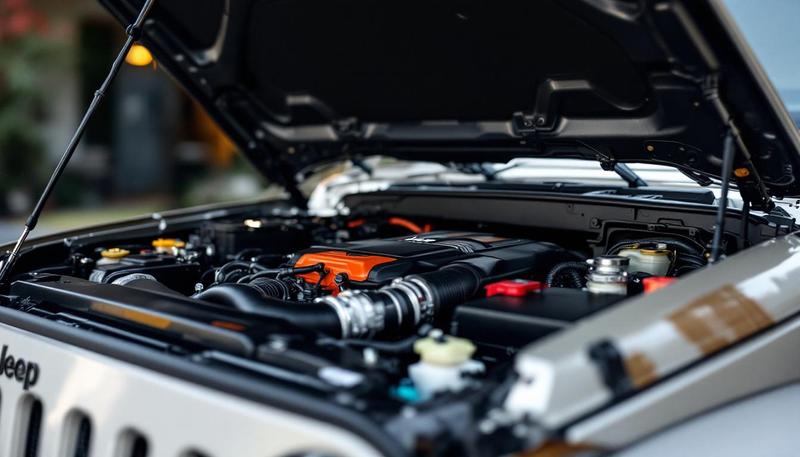
An onboard air compressor is one of the most practical upgrades for any serious Jeep JK owner. Whether you’re tackling rocky trails, crossing sandy dunes, or just exploring backcountry roads, having compressed air on demand transforms your off-road capabilities. Proper wiring requires integration with auxiliary switches and potentially a dual battery system.
Primary Applications for JK Onboard Air
Tire Deflation and Reinflation
The most common reason JK owners install onboard air is to deflate and reinflate tires quickly. Lowering tire pressure increases your contact patch, improving traction on loose surfaces while reducing ground pressure on sensitive terrain. Without an onboard system, you’re stuck using hand pumps (exhausting and slow) or relying on gas stations miles away.
With an onboard compressor, you can deflate from 35 PSI to 20 PSI in minutes, then air back up when returning to pavement. This workflow is essential for serious off-roading and transforms the driving experience on technical terrain.
Air Locker Operation
If you’re running air lockers (common upgrades on JK builds), your onboard compressor becomes critical infrastructure. Air lockers require sustained compressed air at 80+ PSI to engage and disengage. A compressor with a storage tank ensures reliable, continuous air supply without waiting for the compressor to cycle.
Pneumatic Tools and Maintenance
Onboard air enables portable pneumatic tools: impact wrenches, sanders, grinders, and air chisels. Camp repairs become simpler with proper tools. Many serious expedition builders keep compressors running 24/7 as a power generation solution for remote camps.
Get new guides by email
One email when we publish something worth reading. Unsubscribe anytime.
Understanding Compressor Specifications
CFM (Cubic Feet per Minute)
CFM measures air volume delivery at a specific pressure. A 10 CFM compressor at 90 PSI delivers less air than a 12 CFM unit. Ratings matter:
- 5-8 CFM: Tire airing (only), portable tools
- 8-12 CFM: Tire deflation/reinflation, occasional air locker use, light tools
- 12-15 CFM+: Sustained air locker operation, frequent tool use, larger tires
PSI (Pounds per Square Inch)
Maximum pressure capacity. Most JK applications need 100-150 PSI maximum. Air lockers typically engage at 80-90 PSI. Ensure your compressor reaches the required pressure for your specific applications.
Duty Cycle
Continuous vs. intermittent rated. Intermittent-duty compressors (most affordable options) require cooling breaks every 15-20 minutes. Continuous-duty models cost more but sustain operation indefinitely—essential for serious air locker users.
Tank vs. Tankless Systems: A Critical Decision
Storage Tank Systems (Recommended for JK)
Tank systems store pressurized air, allowing the compressor to cycle off once pressure builds. Benefits:
- Reduced heat buildup and compressor wear
- Faster tire airing (existing stored air provides initial flow)
- Lower electrical demand during operation
- Ability to run tools while compressor is off
- Quieter overall operation
Drawbacks:
- Additional weight (typically 15-25 lbs)
- Requires more mounting space
- Periodic water drainage maintenance
- Higher cost (typically $600-1200)
Tankless Systems
Compressor runs continuously, delivering air on demand. Benefits:
- Lighter weight (5-10 lbs total)
- Compact size, easier mounting
- Lower cost ($250-600)
- Simpler installation
Drawbacks:
- Continuous electrical draw
- Potential overheating during extended use
- Slower tire airing without stored pressure
- Not ideal for air locker operation
- Higher noise levels
Verdict for JK Wranglers: Tank systems are superior for most JK applications, especially if you plan air locker operation or extended field use.
Top JK Onboard Air Compressor Brands: Detailed Comparison
ARB Onboard Air Compressor System
ARB is an Australian 4x4 specialist trusted worldwide for quality and reliability.
ARB High Output Air Compressor with Tank
- CFM: 12 CFM @ 100 PSI
- Max PSI: 150 PSI
- Tank: 3.6 gallons steel tank with moisture trap
- Voltage: 12V
- Installation: Moderate; includes mounting hardware and wiring kit
- Price Range: $900-1100
Pros:
- Exceptional build quality and reputation for durability
- Integrated moisture trap keeps air clean and dry
- 3.6-gallon tank supports extended operations
- 12 CFM handles air lockers reliably
- Comprehensive mounting solutions
- Quiet operation compared to competitors
Cons:
- Premium pricing (highest in category)
- Heavier than some alternatives (~45 lbs total)
- Limited color options
- Requires quality electrical installation for reliability
- Less common in North America compared to alternatives
Best For: Budget-conscious buyers accepting premium price for quality assurance; serious expedition builders; international travelers (ARB support globally).
Viair Onboard Air Systems
Viair specializes exclusively in on-demand air systems with diverse offerings.
Viair 450P-RV Compressor with Tank
- CFM: 12 CFM @ 100 PSI
- Max PSI: 165 PSI
- Tank: 5.0 gallons stainless steel
- Voltage: 12V
- Installation: Easy; pre-assembled, plug-and-play mounting
- Price Range: $800-1000
Viair 400P-IG Compact Tankless
- CFM: 4.2 CFM @ 100 PSI
- Max PSI: 150 PSI
- Tank: None
- Voltage: 12V
- Installation: Easiest in category
- Price Range: $300-450
Pros:
- Wide range of models for different budgets and applications
- Exceptional customer support and technical documentation
- 5.0-gallon tank (largest in category for standard models)
- Stainless steel construction resists corrosion
- Compact design eases mounting in tight spaces
- Superior thermal management systems
Cons:
- Lower CFM ratings than some competitors (400P-IG at 4.2 CFM marginal for air lockers)
- Pricier than basic alternatives
- Tank-mounted pressure switch requires careful installation
- Some users report moisture accumulation over time
Best For: DIY installers seeking ease of installation; multiple-application users (tire and tools); owners prioritizing corrosion resistance; anyone with tight underbody space.
Smittybilt Onboard Air Systems
Smittybilt focuses on rugged, affordable off-road solutions.
Smittybilt Air On Board 2.0 System
- CFM: 2.0 CFM @ 120 PSI (rated continuous duty)
- Max PSI: 150 PSI
- Tank: 12.0 gallons (largest available)
- Voltage: 12V
- Installation: Moderate to difficult; requires custom fabrication for most JKs
- Price Range: $1100-1400
Smittybilt LOCKING AIR LOCKER SYSTEM
- CFM: 3.5 CFM @ 100 PSI
- Max PSI: 150 PSI
- Tank: 8.5 gallons
- Voltage: 12V
- Installation: Moderate
- Price Range: $800-1000
Pros:
- Massive tank capacity (12.0 gallons) reduces compressor runtime
- Continuous-duty rating means no cooling breaks
- Affordable entry point to tank systems
- Heavy-duty construction withstands rough use
- Excellent pressure maintenance over time
- Good warranty support
Cons:
- Low CFM (2.0 CFM exceptionally slow for tire airing)
- Very heavy (~60 lbs), requires robust mounting
- Tank-first design limits placement options
- Installation complexity higher than competitors
- Slower tire deflation/reinflation compared to 10+ CFM units
- Limited documentation for custom JK integration
Best For: Budget-conscious buyers willing to accept slower operation; static air locker systems only; expedition builders with dedicated mount points; users prioritizing tank capacity over speed.
Warn Onboard Air System
Warn is legendary in recovery and protection; their air systems leverage that expertise.
Warn OnBoard Air Compressor Pro
- CFM: 8.5 CFM @ 100 PSI
- Max PSI: 150 PSI
- Tank: 2.0 gallons (compact design)
- Voltage: 12V
- Installation: Easy to moderate
- Price Range: $600-750
Pros:
- Strong CFM (8.5) handles most applications efficiently
- Compact, lightweight design (~25 lbs total)
- Proven Warn reliability and durability
- Excellent thermal management
- Good warranty and technical support
- Competitive pricing
- Works well for tire airing and light tool use
Cons:
- Smallest tank capacity (2.0 gallons) requires frequent compressor cycling
- 12V only (no 24V option for larger rigs)
- Air locker operation may require extended runtime
- Not ideal for sustained tool use
- Tank fills slowly compared to higher CFM units
- Less common than ARB or Viair in aftermarket forums
Best For: JK owners prioritizing tire airing over air locker operation; weight-conscious builders; those seeking dependable mid-range performance; off-roaders with limited mounting space.
Air Zenith Portable Compressor System
Air Zenith specializes in portable, modular air solutions.
Air Zenith Onboard Air Kit (12V)
- CFM: 5.2 CFM @ 100 PSI
- Max PSI: 160 PSI
- Tank: Optional (2.0 gallon aftermarket compatible)
- Voltage: 12V
- Installation: Very easy; portable mounting
- Price Range: $250-400 (without tank)
Pros:
- Most affordable option for tire airing
- Portable design allows removal for other uses
- Excellent documentation and YouTube support
- Modular tank compatibility (add tanks as needed)
- Low electrical demand
- Good for casual or occasional use
- Easiest installation of all options
Cons:
- Lower CFM (5.2) slower for airing down large tires
- No dedicated mounting point (aftermarket brackets available)
- Tank purchase adds significant cost ($200-350)
- Limited color/finish options
- Less durability than dedicated systems
- Support limited compared to ARB/Warn
Best For: Budget builders on tight schedules; casual off-roaders airing down occasionally; rental/loaner builds; light-duty applications only.
JK Onboard Air Compressor Comparison Table
| Brand | Model | CFM @ 100 PSI | Max PSI | Tank (gal) | Weight (lbs) | Price | Best For |
|---|---|---|---|---|---|---|---|
| ARB | High Output + Tank | 12 | 150 | 3.6 | 45 | $900-1100 | Premium quality seekers |
| Viair | 450P-RV | 12 | 165 | 5.0 | 40 | $800-1000 | Corrosion resistance & capacity |
| Viair | 400P-IG | 4.2 | 150 | None | 15 | $300-450 | Lightweight, simple tire airing |
| Smittybilt | Air On Board 2.0 | 2.0 | 150 | 12.0 | 60 | $1100-1400 | Maximum tank capacity |
| Smittybilt | Locking System | 3.5 | 150 | 8.5 | 50 | $800-1000 | Air locker priority |
| Warn | OnBoard Pro | 8.5 | 150 | 2.0 | 25 | $600-750 | Balanced all-purpose |
| Air Zenith | 12V Kit | 5.2 | 160 | None | 8 | $250-400 | Budget tire airing |
Recommended Products
Best Portable Option: VIAIR 400P Portable Compressor
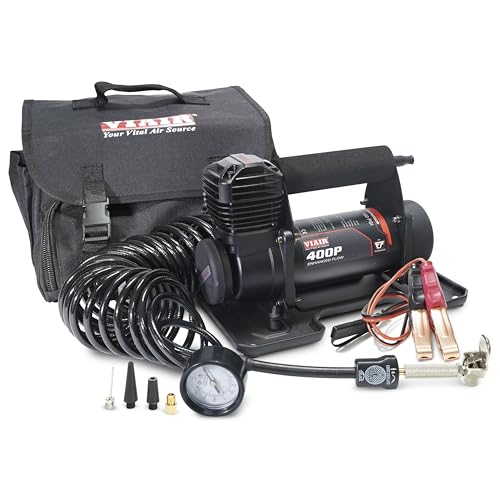
VIAIR 400P Portable Compressor
Pros:
- Purpose-built for JK Wrangler ensures proper fitment and function
- Durable construction handles trail abuse and daily driving
- Backed by positive community reviews and trail-tested results
Cons:
-
Premium pricing compared to generic aftermarket options
-
May require longer lead times for specialty or popular items
-
Some products require professional installation for best results
<p class="amz-price" data-asin="B0DK2MXQ7D" hidden style="font-size: 24px; font-weight: bold; color: #c75a2a; margin: 0 0 10px 0;"></p>
<p style="color: #666; margin: 0 0 15px 0;">⭐⭐⭐⭐⭐ 4.7/5</p>
<a href="https://www.amazon.com/dp/B0DK2MXQ7D?tag=jeepjkguide-20" target="_blank" rel="nofollow sponsored" style="display: inline-block; background: #FF9900; color: #111; padding: 12px 24px; border-radius: 6px; text-decoration: none; font-weight: bold;">Check Price on Amazon →</a>
Premium Choice: ARB CKMA12 On-Board Compressor

Budget-Friendly: Smittybilt 2781 Air Compressor
Pros:
- Purpose-built for JK Wrangler ensures proper fitment and function
- Durable construction handles trail abuse and daily driving
- Backed by positive community reviews and trail-tested results
Cons:
-
Premium pricing compared to generic aftermarket options
-
May require longer lead times for specialty or popular items
-
Some products require professional installation for best results
<a href="https://www.amazon.com/dp/B004K25GMG?tag=jeepjkguide-20" target="_blank" rel="nofollow sponsored">
  <img src="https://amazon-images.allanperrottet.workers.dev/B004K25GMG" alt="Smittybilt 2781 Air Compressor" style="max-width: 100%; max-height: 180px; object-fit: contain;">
</a>
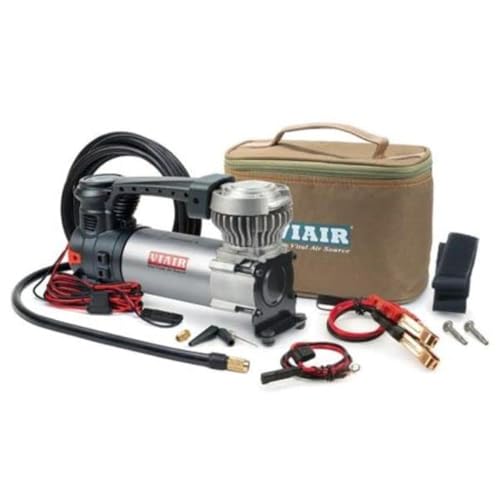
Best Value: VIAIR 88P Portable Compressor
Installation and Mounting Locations for JK Wranglers
Recommended Mounting Locations
Engine Bay
- Best for: ARB, Warn, Viair compact systems
- Advantages: Easy electrical access, protected from elements, compact units maximize space
- Challenges: Heat exposure, corrosion risk, limited space in modern JKs with engine covers
- Installation: 4-6 hours
Under-Seat Storage (JK Unlimited)
- Best for: Smaller tanks, Viair 450P, Warn systems
- Advantages: Protected storage, easy access, centralized location
- Challenges: Weight distribution, potential moisture issues, space constraints
- Installation: 5-7 hours
Inside Rear Bumper
- Best for: Smittybilt large tank systems
- Advantages: Dedicated space, load-bearing structure, rear bias doesn’t affect handling
- Challenges: Custom fabrication likely, weight at rear, harder to service
- Installation: 8-10 hours (often requires professional welding)
Frame-Mounted Behind Rear Axle
- Best for: All tank systems
- Advantages: Minimal interior space loss, protected location
- Challenges: Weight distribution, service access difficult, custom fabrication mandatory
- Installation: 10-12 hours (professional installation recommended)
Critical Installation Considerations
Weight Distribution: A 45-60 lb tank system affects your JK’s weight distribution and suspension geometry. Heavy rear-mounted systems may require additional suspension tuning. Consult your suspension designer before finalizing placement.
Electrical Requirements: Onboard compressors draw 80-120 amps continuous. Inadequate electrical systems cause voltage drop, compressor damage, and battery drain. Most installations require:
- 4-gauge power cable from battery
- High-quality ground connections
- Dedicated 100-amp breaker or fuse
- Relay system for load management (auxiliary switches are essential for managing multiple high-draw accessories)
Air Line Routing: Copper or nylon air lines carry pressurized air throughout your rig. Plan routing to avoid:
- Sharp edges and pinch points
- Heat sources (exhaust manifolds, engine bay)
- Moving suspension components
- Moisture collection points (always slope toward drain)
Valve and Regulator Placement: Mount moisture trap and regulator near the compressor to separate water before air distribution. Place pressure switch where it’s visible but protected from physical damage.
Wiring Requirements and Electrical Considerations
Basic Electrical System
A proper onboard air installation requires:
-
Battery to Compressor Power Cable (4-gauge minimum)
- 12AWG insufficient for safe operation
- 4AWG supports up to 100A continuous
- Use marine-grade tinned copper for corrosion resistance
- Install within 12 inches of battery
-
Breaker or Fused Disconnect
- 100-120 amp auto-reset breaker (preferred)
- Manual disconnect switch for maintenance
- Mounted within 18 inches of battery
- Protects entire circuit from shorts
-
Ground Return Circuit
- Minimum 4-gauge ground cable
- Attach to engine block or frame, not battery negative directly
- Clean metal-to-metal contact (remove paint and corrosion)
- Critical for reliability and safety
-
Compressor-to-Tank Pressure Switch
- Adjustable 90-150 PSI switch (usually pre-installed)
- Controls compressor cycling to maintain pressure
- Monitor operation before first use
Electrical System Upgrades Often Required
Many stock JK electrical systems are marginal for onboard air operation. Upgrades include:
Alternator Upgrade: Stock alternators (80-120A) may not keep pace with compressor draw. Consider upgrading to 140-180A Mechman or Optima alternators if running continuous systems.
Battery Upgrade: A dual battery setup provides sustained power for extended compressor use without voltage sag. Dual AGM or lithium batteries ensure reliability in harsh conditions.
Auxiliary Power Distribution Block: This component safely distributes power to multiple systems. See auxiliary switches guide for proper integration with your air compressor and other accessories.
Maintenance and Long-Term Care
Monthly Maintenance Tasks
Tank Drainage: Water condenses inside tanks from temperature cycling. Drain completely monthly by opening the bottom ball valve. A compressor operating dry runs cooler and lasts longer.
Filter Inspection: Replace intake filters annually or every 100 operating hours. Clogged filters reduce CFM and force the compressor to work harder.
Connection Check: Inspect all air line connections for leaks using soapy water. Tighten fittings as needed. Leaks gradually reduce system pressure.
Quarterly Maintenance
Regulator Function: Ensure your regulator accurately maintains 80-90 PSI for air lockers. Inaccurate settings cause locker engagement issues.
Electrical Connections: Apply dielectric grease to all battery terminals and connectors. Off-road vibration loosens connections; checking quarterly prevents failures.
Hose Condition: Look for cracks, splits, or hardening in rubber hoses. Replace any suspect hoses immediately—failures happen under pressure.
Annual Maintenance
Compressor Seals: Inspect for oil leaks around compressor head. Seals failing allow oil into your air lines and tools. Professional seal replacement costs $200-400.
Pressure Accumulation Test: Close all valves and run the compressor for 5 minutes. Note time to reach maximum PSI. Slow accumulation indicates internal wear.
System Pressure Test: Using a quality pressure gauge, verify maximum PSI matches specifications. Degraded systems fail to reach rated pressure.
Practical Off-Road Use Scenarios
Tire Airing Scenario
You’re heading into an area requiring aired-down tires (rocky terrain, soft sand, snow):
- Park on level ground
- Connect air lines to first tire (starting with tires at 35 PSI)
- Open tire valve and reduce to target pressure (20 PSI sand, 25 PSI rocks)
- Close valve and move to next tire
- With a 10+ CFM system, all four tires air down in 15-20 minutes
Return to pavement:
- Reconnect air lines
- Open each tire valve and inflate to 35 PSI highway pressure
- Typical inflation takes 10-15 minutes with onboard air
Without onboard air, this process requires finding a gas station, waiting in line, and hand-pumping (30+ minutes for airing down).
Air Locker Engagement Scenario
Your JK has ARB air lockers on both axles. Engaging during technical climbing:
- Engine running, compressor off, pressure at 100+ PSI in tank
- Open air locker selector switch on dashboard (integrated into your aux switch panel)
- Compressed air engages both lockers (requires 80+ PSI)
- Lockers lock within 1-2 seconds
- Drive through obstacles with full mechanical lock
Without onboard air, you’d need external compressors, portable tanks, or trail buddies with tools. Integration with auxiliary switches makes managing your air locker simple and reliable.
Camp Tool Use Scenario
Setting up remote camp, you need to repair a bent fender:
- Park rig level and start compressor
- Let tank build to 120 PSI (10-15 minutes)
- Connect impact wrench and begin removing damaged panels
- Compress and hold air pressure steady while working
- Finish repairs using stored tank air (no continuous compressor run)
Related Guides
Explore more JK upgrade guides to complement your build:
- Best LED Headlights — LED headlight upgrade options
- Best JK Light Bars — auxiliary lighting options
- Best Winches for JK — winch options that need proper wiring
- Armor & Protection Guide — bumper and protection upgrades
- Best JK Phone Mount — phone mounting solutions
Frequently Asked: Onboard Air Compressors for JK Wranglers
Is an onboard air compressor worth the cost?
For serious off-roaders who deflate tires regularly, onboard air saves enormous time and frustration. The cost ($500-1200 installed) pays back within months of active trail use. For casual day-trippers, a portable hand pump or small 12V pump suffices.
Will my stock battery handle a 120-amp compressor?
Stock batteries quickly deplete under full compressor load. Your alternator must supply 120 amps continuously while supporting engine demands (lights, ignition, alternator pulleys). Most stock systems lack this capacity. Battery and alternator upgrades cost $300-600 but are essential for reliability.
Can I run my air locker with a tankless compressor?
Possible but not recommended. Air lockers benefit from stored pressure; tankless systems force continuous compressor runtime. This generates excessive heat and stresses 12V electrical systems. Tank systems handle locker operation far more reliably.
What’s the difference between 5 CFM and 12 CFM?
A 12 CFM compressor airs down a 35-20 PSI tire in roughly 4 minutes. A 5 CFM unit takes 10 minutes. For four tires, that’s 15 minutes versus 40 minutes. High CFM saves time but consumes more power. Choose based on your primary use (tire airing warrants higher CFM).
Do I need to winterize my compressor?
In freezing climates, drain your tank completely before winter storage. Moisture inside tanks freezes and can crack steel. Store hoses indoors to prevent embrittlement. Run the compressor occasionally during storage to maintain seal flexibility.
Conclusion: Choosing Your JK Onboard Air System
Onboard air transforms off-road capability and convenience. The right system depends on:
- Primary use: Tire airing alone suggests 5-8 CFM tankless. Air locker operation demands 10+ CFM with tank.
- Budget: Air Zenith suits tight budgets ($250-400). ARB/Viair suit quality-first buyers ($800-1100).
- Space constraints: Warn and Viair compact systems fit tight engine bays. Smittybilt large tanks require rear mounting.
- Electrical capacity: Upgrade alternator and battery before installation if running continuous systems.
For most JK Wrangler owners, the Viair 450P-RV or ARB High Output represent the sweet spot: 12 CFM capacity, reliable tanks, proven durability, and reasonable pricing ($800-1100). These systems handle all JK applications from casual tire airing to serious air locker operation.
An onboard air system is a permanent trail companion—invest wisely, install carefully, and maintain diligently. Your future self on difficult terrain will thank you.
Additional Resources
- Electrical Upgrades Guide
- Best JK Aux Switches - Control your compressor with proper relay protection
- JK Dual Battery Setup - Essential for extended compressor use
- Best CB Radio - Stay connected during remote air locker operations
- Lift Kit Guide - Air lockers and suspension upgrades work together
Free: JK Fluids at a Glance
Every fluid, spec and capacity for the 2007-2018 Wrangler JK on one page, plus a cut-out glovebox card. Checked against the owner's manuals. From the JK Service Kit.
Email me the download and new guides when they are published. Unsubscribe anytime. Privacy Policy.
Frequently Asked Questions
What size air compressor do I need for my JK Wrangler?
For most JK applications, a 12V compressor producing 5-10 CFM is sufficient for airing down tires. However, if you plan to run air lockers or frequently use pneumatic tools, opt for 10-15 CFM or higher. Tank capacity should be 2-3 gallons minimum to reduce compressor runtime.
Can I run an air locker with an onboard compressor?
Yes, but it depends on your system. Most air lockers require 80+ PSI to engage fully. A quality onboard compressor with a storage tank can supply the necessary pressure. Check your locker's specifications and choose a compressor rated for sustained operation under load.
Tank or tankless compressor—which is better?
Tank systems are ideal for JK applications because they store pressurized air, reducing compressor runtime and heat buildup. Tankless compressors are lighter and more compact but run continuously and may overheat during extended use. For serious off-roaders, a tank system is the superior choice.
How difficult is it to install an onboard air system?
Installation difficulty varies by product. Most systems require wiring to the battery, mounting the compressor and tank, and routing air lines. Intermediate DIYers can handle the job in 4-6 hours. Complex systems or those requiring custom fabrication may need professional installation. Always follow manufacturer guidelines.
What maintenance does an onboard compressor require?
Drain water from the tank monthly to prevent corrosion and rust. Check air filter condition regularly and replace as needed. Inspect hoses and fittings for leaks. Apply dielectric grease to electrical connections. Store the compressor in a dry location and run it occasionally during off-season to maintain seals.
Allan
I'm Allan. I own a 2014 Jeep Wrangler JKU and I research the hell out of every mod before I touch it. When I've fitted something to my own Jeep, I say so. Everything else is researched from manufacturer specs and other owners' reports. No sponsored fluff.
Learn more about me →Free: JK Fluids at a Glance
Every fluid, spec and capacity for the 2007-2018 JK on one page, plus a glovebox card.
Email me the download and new guides when they are published. Unsubscribe anytime. Privacy Policy.
Related Articles

Oracle Lighting LED Headlights for Jeep JK: Halo, Projector & Sealed Beam Options Reviewed
Oracle Lighting is a US-based aftermarket lighting brand that specialises in LED and halo headlights, fog lights, and accent lighting. Their 7-inch...
JW Speaker 8700 LED Headlights for Jeep JK: Full Review & Install Notes
The JW Speaker 8700 Evolution J2 is a DOT-compliant, 7-inch round LED headlight designed as a direct plug-and-play replacement for the 2007–2018 Jeep...

Best Light Bars for JK Wrangler: Complete Guide
The best light bars for a 2007-2018 Jeep JK: seven Amazon picks from $41 to $145, where to mount them, the windshield fold-down test, and the wiring that makes an install last.