Jeep JK Buyers Guide: What to Look for When Buying Used (2026)
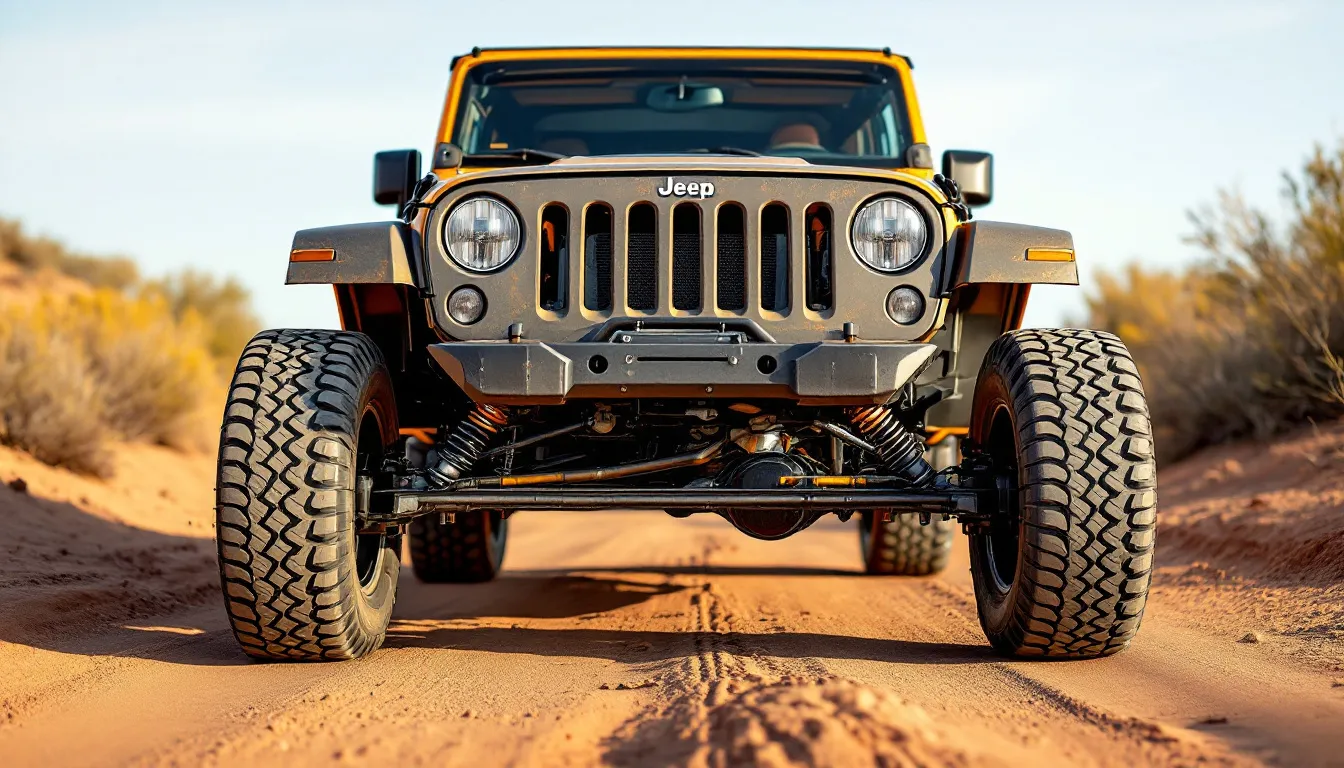
Jeep JK Buyers Guide: What to Look for When Buying Used (2026)
A used Jeep JK Wrangler can be one of the best off-road purchases you’ll ever make — if you know what to look for before you hand over the money. The JK ran from 2007 to 2018, and the used market is still flooded with them. Some are meticulously maintained weekend warriors. Others are tired, trail-beaten machines with hidden damage that won’t show up until you’re 500 miles from home.
I learned this the hard way. When I bought a used JKU as a grey-market import in South Africa, I missed a failing head gasket that cost me significantly more to fix than the entire inspection kit would have. The compression test took ten minutes. I skipped it. The repair took weeks and wiped out my savings. I won’t make that mistake again, and this guide exists so you don’t either.
This guide walks you through a complete JK inspection framework — from model year selection through mechanical testing, known problems, realistic pricing, and what to do the day you buy. Whether you’re looking at a base Sport or a fully loaded Rubicon, this is the inspection process that separates a steal from a regret.
Not sure if a JK is right for you? Start with our JK vs JL comparison or explore JK model year differences from 2007 to 2018 before you start shopping.
Affiliate Disclosure: JeepJK Guide earns a commission from qualifying purchases made through links on this page. This comes at no extra cost to you and helps us keep the content free.
The 4 Tools You Should Bring to Every JK Inspection
Most buyers show up with nothing but their eyes and a phone flashlight. That’s a mistake. Four inexpensive tools will reveal problems no visual walk-around ever could — and they fit in a backpack.
Think of this as your JK inspection kit. Each tool targets a specific category of hidden damage:
| Tool | What It Reveals | Price Range |
|---|---|---|
| OBD2 Bluetooth Scanner | Stored fault codes, cleared codes, emissions readiness | ~$20 |
| Compression Tester | Engine health, head gasket condition, worn rings | ~$20 |
| Digital Tire Pressure Gauge | Uneven wear, alignment issues, suspension clues | ~$8 |
| Car Cover | Post-purchase UV/weather protection (soft tops especially) | ~$68 |
OBD2 Scanner — Your Most Important Tool
Plug this in before you even open the hood. A Bluetooth OBD2 scanner connects to your phone and reads every stored trouble code — including ones the seller has cleared. If a code was cleared recently but the “readiness monitors” haven’t completed their drive cycles, that’s a red flag. The seller cleared codes to hide a problem.

OBD2 Scanner Reader Bluetooth Wireless Auto Diagnostic Scan Tool for iOS & Android for Performance T
$20.88
Check Price on Amazon →Compression Tester — Non-Negotiable on the 3.8L
The 3.8L V6 (2007–2011) has a documented head gasket weakness. A compression tester tells you the actual health of each cylinder in about 15 minutes. Any reading significantly lower than the others — or below 140 PSI — warrants serious concern. See our JK oil change intervals for the 3.6L and 3.8L engines for context on what a well-maintained engine should look like.

BETOOLL HW0130 8pcs Petrol Engine Cylinder Compression Tester Kit Automotive Tool
$23.99
Check Price on Amazon →Tire Pressure Gauge — Cheap, But Revealing
Check every corner during your walk-around. Uneven pressure across axles can indicate a slow leak, a damaged valve stem, or a seller who doesn’t maintain basics. Uneven tread wear across a single tire often points to alignment or suspension problems — which we cover in detail later. The ETENWOLF digital tire pressure gauge provides accurate PSI readings across the entire range you’ll encounter on a JK inspection.

ETENWOLF T300 Digital Tire Pressure Gauge 3-200 PSI, Industrial Tire Gauge Calibrated to ANSI B40.7
$7.99
Check Price on Amazon →Car Cover — Protect Your Investment From Day One
This one isn’t an inspection tool — it’s a post-purchase essential. If you’re buying a JK with a soft top, UV exposure is one of the fastest ways to destroy the fabric. An all-weather cover gives you meaningful protection whether the truck lives in a driveway or sits outside full-time.

OxGord Car Cover - Basic Out Door Use - All Weather Protection - Fits up to 204 inch
$68.99
Check Price on Amazon →JK Model Years at a Glance: Which Year Should You Buy?
Spec sheets don’t tell you much about what you actually need to know. Real-world owner experience does. After reading through thousands of forum threads and JK community posts, one pattern emerges clearly: the 3.8L head gasket issue defines the entire early model year value equation.
Here’s what you need to know across the full 2007–2018 production run:
| Year Range | Engine & Key Specs | Known Issues | Buyer Value Rating |
|---|---|---|---|
| 2007–2011 | 3.8L V6, 202 hp, 4-speed auto or 6-speed manual | Head gasket failure, oil consumption, soft top leaks, early TIPM issues | Budget Pick — lowest price, highest risk |
| 2012–2014 | 3.6L Pentastar V6, 285 hp, 5-speed auto | TIPM electrical gremlins, death wobble on lifted examples, minor cam phaser noise | Sweet Spot — best power-to-value ratio |
| 2015–2018 | 3.6L Pentastar (refined), 285 hp, improved infotainment | Death wobble still possible, higher asking prices, harder to find low-mileage | Premium — pay more, get a cleaner truck |
The 2012–2014 range is where most experienced JK buyers land. The jump from the 3.8L to the 3.6L Pentastar matters — you get 83 more horsepower, noticeably better fuel economy, and freedom from the head gasket problem that plagued earlier trucks. Prices also drop noticeably compared to 2015+ examples with similar mileage.
2007–2011 JKs can be excellent buys — but only if you’re willing to spend 15 minutes with a compression tester, verify the head gasket history, and price that risk into your offer. Skip that step and you’re rolling the dice.
For every change Chrysler made year by year — the switch to MyTouch infotainment, LED lighting updates, suspension refinements — see our complete year-by-year breakdown of JK changes. And before you shop, read our JK common problems by year guide to understand which problems cluster around which model years.
Sport vs Sahara vs Rubicon: What Changes on the Inspection Checklist
The JK came in three trim levels: Sport, Sahara, and Rubicon. Each one started with different equipment — and that shapes what you need to look for during your inspection.
Sport: The Bare-Bones Baseline
The Sport is the most common JK you’ll find on the used market. Factory equipment included an open front differential and steel wheels. If there’s one inspection point that matters most on a Sport, it’s the suspension — many Sport owners lifted their trucks, and that’s where things get expensive fast.
Look closely at the control arms, track bars, and shocks. Identify the brands if they’re aftermarket. Unknown lift kits are a serious warning sign. We cover suspension inspection in detail below.
Sports also frequently get aftermarket stereo upgrades, which means cut wiring. Inspect the head unit area carefully. Amateur wiring jobs cause electrical issues that surface months later.
Sahara: Creature Comforts, But Verify Them All
The Sahara adds body-color fender flares, upgraded interior trim, chrome accents, and (on later models) the MyTouch infotainment system. Verify that every tech feature actually works. Infotainment failures and non-functional heated seats show up repeatedly in Sahara owner complaints.
Navigation systems on pre-2015 models are outdated and often non-functional. That’s usually acceptable as a negotiation point, but worth knowing about upfront. Also inspect those factory 18-inch wheels closely for curb rash — Sahara buyers tend to daily-drive their JKs more than Rubicon owners.
Rubicon: Premium Hardware, Premium Risk
The Rubicon packs serious off-road gear: Dana 44 axles front and rear, electronic locking differentials, a Rock-Trac transfer case with 4:1 low range, and a disconnecting front sway bar. That’s genuine capability. The critical inspection point on a Rubicon is the electronic locker system. Test both lockers with the vehicle stationary. They should engage and disengage smoothly without warning lights.
Lockers that don’t engage, or that throw codes, mean actuator failures or wiring damage from trail abuse. Rubicons also tend to have more aftermarket modifications than other trims. Treat every modification as a potential problem until proven otherwise.
See our Rubicon vs Sport vs Sahara — is the premium worth it guide for a complete cost-benefit breakdown before you decide which trim to target.
Engine & Drivetrain Inspection: The Most Critical Checks
Missing the compression test on my JKU purchase was an expensive lesson. What followed was a head gasket repair that could have been completely avoided — or at minimum, negotiated into a lower price — if I’d spent 15 minutes with the right tools. These checks aren’t optional.
This section applies to all 2007–2018 JK Wranglers. The specific steps vary depending on whether you’re looking at a 3.8L or 3.6L engine, but the sequence is identical.
Cold Start — Do This First
Always inspect the engine cold. Ask the seller not to warm it up before you arrive. A cold start reveals oil burning (blue smoke), coolant burning (white sweet-smelling smoke), and rough idle that disappears once the engine reaches operating temperature. A seller who insists on showing you a pre-warmed truck is hiding something. Period.
Watch for:
- White smoke from the exhaust that persists past the first 30 seconds (coolant in the combustion chamber)
- Blue smoke at any point (oil burning — rings or valve seals)
- Rough, lumpy idle that smooths out after warm-up (note it, but less concerning)
- Ticking or tapping on start-up that fades (acceptable on 3.6L; persistent ticking is not)
Compression Test — 3.8L Non-Negotiable, 3.6L Still Recommended
Pull the spark plugs and test each cylinder using a reliable compression tester kit. On a healthy 3.8L, you’re looking for consistent readings ideally above 150 PSI with no more than 10–15% variation between cylinders. A low reading on one or two adjacent cylinders on the 3.8L is a classic head gasket failure pattern. On the 3.6L Pentastar, low compression more often indicates worn rings from high mileage or abuse.
This single test — $20 in equipment, 15 minutes of work — would have saved me from a post-purchase surprise that cost multiples of that to fix.
OBD2 Scan — Run It Before the Test Drive
Plug in a wireless OBD2 scanner and check three things: active fault codes, stored (historic) fault codes, and readiness monitor status. If the seller cleared codes before your visit, the monitors will show “incomplete.” That’s a red flag requiring explanation. Common codes to watch for on used JKs include P0300 series (misfires), P0171/P0174 (lean conditions), and any U-codes (network communication faults often indicating TIPM issues).
Transmission and Transfer Case
Drive the JK through all drive modes — 2H, 4H, and 4L. Engagement in 4L should be smooth without grinding or hesitation. Listen for clunking on shifts in any automatic-equipped example. Manual-equipped JKs (less common) should have a clean clutch engagement with no slipping.
Check the transfer case skid plate for fresh dents or cracks. Heavy impact there can misalign the transfer case output shaft. Also check automatic transmission fluid color at the dipstick — dark brown or burnt-smelling fluid means the transmission has been worked hard.
Axles and Differentials
On a standard Sport or Sahara, spin each wheel by hand (vehicle in neutral). Grinding or rough rotation indicates bearing wear. On a Rubicon, test both electronic lockers as described above.
Check the differential breathers — small hoses on the axle housings. Missing or disconnected breathers mean the axle has almost certainly been submerged. That’s water contamination in the differential fluid. Drain plugs with fresh threads on an older truck suggest someone recently changed the fluid — either good maintenance or post-submersion damage control.
Review our JK fluid specifications to verify during inspection and complete JK maintenance guide for the specific fluid types and condition benchmarks across all drivetrain components.
Frame, Rust & Undercarriage: Don’t Skip This Step
Get under the Jeep. Every JK buyer should spend five minutes on their back with a flashlight before any money changes hands. This is where flood damage, trail abuse, and deferred maintenance show themselves.
Frame Rails
JK frames are boxed steel and reasonably rust-resistant, but they’re not immune — especially in northern US states where road salt is used in winter. Inspect the full length of both frame rails.
Green Flags vs Red Flags:
| Condition | Green Flag | Red Flag |
|---|---|---|
| Surface rust | Light surface oxidation, uniform | Deep pitting, flaking, or scaling rust |
| Frame coating | Factory or professional undercoating | Fresh spray paint over rust |
| Weld integrity | Clean factory welds | Cracks, rewelded sections, or patches |
| Collision repair | None visible | Bent, straightened, or plated sections |
A frame with active structural rust is a dealbreaker. Walk away. There is no negotiation discount that makes a compromised frame acceptable on a vehicle you intend to drive off-road.
Tub Floor
The JK’s tub is composite over a steel structure. Check the floor in the footwells and under the rear carpet. Water intrusion is common — from leaky soft tops, failed door seals, or trail water ingestion. Look for:
- Rust staining on carpet backing
- Damp or musty smell inside the cabin
- Bubbling or peeling floor mat adhesive
Tailgate and Hinges
The tailgate hinges rust and seize on high-mileage JKs, especially those used in coastal or snowy environments. Test the tailgate open and close. A tailgate that drops or feels loose on its hinges has worn pins — a minor issue, but a useful negotiation point.
Undercoating — Is It Hiding Something?
Fresh, heavy undercoating on an otherwise average-condition truck is suspicious. Sellers occasionally apply it to hide frame rust or flood sediment. If the undercoating looks new and the rest of the truck looks well-used, ask why. You can probe through thin undercoating with a screwdriver to test for solid steel underneath.
Flood Check
Look for:
- Silt or sand deposits behind the rear bumper, in door jambs, or in the spare tire well
- Waterline marks on interior door panels or under the dash
- Corroded fuse box terminals (check the engine bay fuse box and under-dash fuse block)
- Rust on seat bolts or floor pan hardware
- Any electrical component that smells burnt or behaves intermittently
A truck with flood history should be avoided entirely — electrical gremlins from corrosion take years to fully manifest, and they’re nearly impossible to trace completely.
Title History
Run a VIN check through a reputable service before you commit. Look for salvage title, flood title, or odometer rollback flags. A clean title on a flood-damaged truck is possible if the damage occurred outside of an insurance claim — your undercarriage inspection is your safety net here.
File this with your JK spring trail prep checklist for ongoing undercarriage monitoring after you buy.
Suspension, Lift Kits & Axles: Reading the Modifications
More JKs have been lifted than haven’t. A lift kit isn’t automatically a problem — but the quality of the lift, the execution of the installation, and what the lift reveals about how the truck was used all matter enormously.
Lift Brand Quality Tiers
Not all lift kits are created equal. Here’s a rough hierarchy based on what the JK community consistently recognizes:
- Tier 1 (Trusted brands): Fox, King, Bilstein, Teraflex, Old Man Emu/ARB, Rough Country (mid-tier acceptable)
- Tier 2 (Budget but functional): Skyjacker, Zone Offroad, Rancho
- Tier 3 (Avoid): Generic, unbranded, or unknown-origin lift components — no part numbers, no identifiable manufacturer
A truck with Tier 1 components suggests an owner who invested in quality. A truck with mystery-brand shock absorbers and stamped-steel control arms is a risk. Those parts wear faster, can compromise handling geometry, and are harder to diagnose when problems arise.
Using the Tire Pressure Gauge on the Walk-Around
Before you even start the engine, check tire pressure at all four corners with your digital tire gauge.
Uneven pressure across an axle can indicate a slow leak. Consistent underinflation across all tires suggests the owner didn’t maintain basics. Uneven tread wear — more wear on the inside or outside of a tire — points to alignment issues common after lift installations. All of these are negotiation points at minimum, and suspension problems at worst.
Death Wobble: The Most Important Suspension Red Flag
Death wobble — a violent, high-frequency steering shimmy that typically occurs at highway speeds after hitting a bump — is the single most feared suspension issue on the Jeep JK platform, and it must be specifically tested for during any inspection.
It’s caused by worn steering components, loose track bar hardware, degraded control arm bushings, or improper lift installation. It doesn’t go away on its own. If the truck exhibits any steering shimmy during your test drive, particularly above 55 mph, treat it as a serious defect requiring significant repair investment.
Ask the seller directly: “Has this Jeep ever had death wobble?” Watch their face as much as their answer. See our full JK death wobble causes and fixes guide for what the repair typically involves.
Also check our complete JK lift kit guide to understand what a proper lift installation should look like, and our gear ratio guide for lifted JKs if the truck has larger-than-stock tires — regearing is often necessary and adds to the total ownership cost.
Interior, Electrical & Infotainment: The Overlooked Details
Most buyers spend 80% of their inspection time under the hood and 20% inside the truck. It should be closer to 60/40. Electrical repairs on a JK can be surprisingly expensive, and many of them don’t surface until months after purchase.
Work through this checklist methodically:
Dashboard & Warning Lights
- Start the truck and observe every warning light at key-on. All lights should illuminate briefly, then extinguish. Any that remain lit need explanation.
- An illuminated ABS light is a high-cost red flag. The ABS module on the JK is a known failure point, and replacement can run several hundred dollars. Use your OBD2 scanner to pull any ABS or stability control codes (C-codes) before dismissing it as a sensor issue.
- Traction control and ESC lights that stay on often share the ABS module root cause.
Electrical Walk-Around Checklist
- All windows up and down (both sides, front and rear on JKU)
- Central locking from both key fob buttons
- All interior lighting: dome, footwell, map lights
- Heated seats (Sahara and Rubicon)
- Rear defroster (where equipped)
- Horn (also tests some TIPM circuits)
- Wiper speeds and washer pump
- All turn signals and brake lights
- Reverse lights (have someone stand behind the truck)
- Stereo, navigation, and Bluetooth pairing
TIPM — The Hidden Problem The Totally Integrated Power Module (TIPM) is the JK’s central fuse and relay box, and it’s the source of some of the platform’s most frustrating electrical gremlins — intermittent starter failure, random horn activation, fuel pump issues. Signs of a failing TIPM include multiple unrelated electrical faults at once and accessories that work intermittently. Your OBD2 scanner will pick up related U-codes.
Tops and Seals Check all door seals for cracking or compression failure — water ingestion is common on high-mileage JKs. If the truck has a soft top, inspect the fabric for UV cracking, zipper integrity, and window clarity. Hard top removal hardware should all be present. See our JK soft top vs hard top comparison for what to look for based on your intended use.
What Should You Pay? Pricing, Value & Negotiation Tactics
Buying my 2014 JKU in Cape Town taught me something that applies to any used JK market: the seller’s asking price is their starting position, not their final answer. Every defect you find during inspection is leverage — and having a specific list of issues with rough repair costs is far more effective than a vague “can you do any better?”
Here are approximate 2026 US market price ranges for used JK Wranglers in good condition:
| Year Range | Trim | Fair Price Range | Premium Price Range |
|---|---|---|---|
| 2007–2011 | Sport | $10,000–$14,000 | $14,000–$17,000 |
| 2007–2011 | Sahara / Rubicon | $13,000–$17,000 | $17,000–$21,000 |
| 2012–2014 | Sport | $14,000–$18,000 | $18,000–$22,000 |
| 2012–2014 | Sahara / Rubicon | $17,000–$22,000 | $22,000–$28,000 |
| 2015–2018 | Sport | $18,000–$23,000 | $23,000–$27,000 |
| 2015–2018 | Sahara / Rubicon | $22,000–$28,000 | $28,000–$36,000+ |
These are approximate US market estimates for 2026. Prices vary significantly by region, mileage, modification level, and condition.
How to use inspection findings in negotiation:
- Death wobble present: deduct $800–$1,500 (parts and labor for steering rebuild)
- Unknown or budget lift kit: deduct $500–$1,000 (potential future alignment/wear issues)
- 3.8L with questionable compression: deduct $1,500–$3,000 (head gasket risk)
- Failing TIPM indicators: deduct $400–$700 (module replacement cost)
- Missing or damaged soft top: deduct $300–$800 depending on replacement cost
Write the defects down. Present them calmly. A motivated seller will negotiate; one who won’t is either confident the truck is solid or knows exactly what they’re hiding. Either way, you’ve got the information you need.
Factor in JK brake upgrade costs if the brakes show significant wear — and explore our complete JK buying guide for additional sourcing and vetting strategies.
After You Buy: The First 30 Days of JK Ownership
You’ve done the inspection, negotiated the price, and signed the paperwork. Now the real ownership experience begins. Here’s what to prioritize in the first month:
-
Change all fluids immediately. Unless you have documented service history proving recent changes, replace engine oil, differential fluids (front, rear, and transfer case), coolant, and brake fluid. You have no idea what’s actually in those systems. Our JK fluid specifications guide lists the correct type and capacity for every fluid on the platform.
-
Run a full OBD2 scan at home. Now that you own the truck, you can do a longer readiness test and monitor live data over a complete drive cycle. Any codes that appear now are yours to track — start a maintenance log.
-
Inspect the spare tire and recovery equipment. Many used JKs have a flat spare, missing jack hardware, or a mounted spare that hasn’t been checked in years. You don’t want to discover this on a trail.
-
Check and re-torque lift kit hardware. If the truck has a lift, bolts can loosen over time and vibration. A torque wrench and 30 minutes can prevent a catastrophic failure on the highway. See our JK lift kit installation tips for torque specs and inspection points.
-
Protect the exterior — especially if it’s a soft top. UV damage destroys soft top fabric faster than most owners expect. A quality all-weather car cover extends the life of the fabric significantly. Investing in a protective all-weather car cover on day one saves you from premature top replacement.
-
Get it aligned. Any lifted JK should have a professional alignment check after purchase. Even if the previous owner had it done, transport and mileage shift alignment. It’s a $100 investment that protects your tires and steering components.
Frequently Asked Questions: Buying a Used Jeep JK
What is high mileage for a Jeep JK?
The 3.6L Pentastar V6 (2012–2018) is genuinely capable of reaching 200,000+ miles with proper maintenance — many owners report doing so without major engine work. The 3.8L (2007–2011) is less robust at high mileage, with head gasket and oil consumption issues becoming more common above 100,000 miles. In general, a well-documented 3.6L JK at 130,000 miles is a better buy than a poorly maintained 3.8L at 80,000 miles. Mileage is only meaningful in the context of maintenance history and a solid inspection.
Is a Jeep JK with a lift kit worth buying?
A lifted JK can be an excellent purchase — or a liability — depending entirely on the quality of the lift and the care taken during installation. A name-brand lift (Fox, Bilstein, Teraflex, OME) with proper alignment work and a clean suspension inspection is a genuine upgrade. A generic lift with unknown components and sloppy installation creates long-term problems including death wobble, premature wear, and handling issues. Inspect the lift brand and installation quality as thoroughly as you inspect the engine. Our complete JK lift kit guide can help you recognize quality hardware on sight.
What are the most common problems with the Jeep JK?
The most frequently reported JK problems across the ownership community are: head gasket failure on 3.8L engines (2007–2011), TIPM electrical gremlins affecting multiple accessories, death wobble on lifted or high-mileage examples, and water intrusion through doors and soft tops. The 3.6L models largely resolved the head gasket issue but introduced their own TIPM concerns on certain production runs. For a detailed breakdown by year, see our complete JK common problems by year guide.
Should I buy a 2-door JK or 4-door JKU?
The 2-door JK is lighter, shorter, and generally preferred for serious trail work where maneuverability matters. The 4-door JKU is more practical for families or anyone who needs rear passenger space or more cargo capacity — and it commands a higher price on the used market as a result. Structurally, the JKU’s longer wheelbase makes it more stable at highway speeds but slightly less nimble on tight trails. Both share the same drivetrain and most of the same known issues. Your choice should be driven by intended use and who else will be riding in the truck.
How do I check if a used Jeep JK has been in a flood?
Look for silt or sand deposits in door jambs, behind the rear bumper, and in the spare tire well. Check for waterline marks on interior door panels and under the dashboard. Inspect the engine bay fuse box and the under-dash fuse block for corrosion on terminals. Check seat bolt threads and floor pan hardware for rust that’s inconsistent with the rest of the truck’s age. Smell the interior — flood damage creates a persistent musty odor that carpet cleaning doesn’t fully eliminate. Missing or disconnected differential axle breather hoses are another strong indicator. See our how to diagnose and fix JK death wobble guide for how flood damage can manifest in steering and suspension components over time.
What year JK should I buy?
For most buyers, 2012–2014 is the sweet spot. You get the improved 3.6L Pentastar engine with significantly more power than the 3.8L, avoid the early TIPM issues that plagued some 2012 production runs, and pay less than you would for a 2015+ example with equivalent mileage. If budget is the primary constraint, a carefully inspected 2009–2011 3.8L with fresh compression readings and documented head gasket history can be a solid deal. If condition matters more than price, 2015–2018 offers the most refined version of the platform.
Final Verdict: Is a Used Jeep JK Worth Buying in 2026?
Yes — emphatically, with the right preparation.
Buying my 2014 JKU confirmed something I suspected but hadn’t fully internalized: the quality of your preparation directly determines the quality of your purchase. The trucks I inspected thoroughly, I bought with confidence. The one I rushed — the grey-market import where I skipped the compression test — became a teaching moment that cost more than the inspection would have.
The Jeep JK platform is genuinely excellent. Solid axles, proven drivetrain, massive aftermarket support, and a community that documents every known problem in exhaustive detail. You will find the answers to any question that comes up. That’s rare.
What it requires from you is 60–90 minutes of structured inspection, four inexpensive tools, and the willingness to walk away if something doesn’t check out. That’s the entire difference between a great buy and a money pit.
Your next steps:
- Nail down the right year and trim with our JK model year differences guide
- Cross-reference known issues with the JK common problems by year guide before your inspection
- Once you’ve got the truck home, explore the best soft tops for your new JK to protect and customize your investment
The right JK is out there. Go find it with your eyes open.
Get the Free JK Build Planner
Complete PDF with mod checklists, gear ratios, tire sizing charts, and budget worksheets. Everything you need to plan your JK build.
No spam. Unsubscribe anytime. By subscribing, you agree to our Privacy Policy.
Allan
I'm Allan. I bought a 2014 Jeep Wrangler JKU and I research the hell out of every mod before I touch it. Everything here is tested or deeply researched on my own rig - no sponsored fluff, just honest findings.
Learn more about me →Get the JK Build Planner
Free PDF with complete build checklists, gear ratios, and tire fitment guides.
By subscribing, you agree to our Privacy Policy.
Related Articles
Jeep Jk Buyers Guide
I learned the hard way that enthusiasm can cloud judgment when buying a Jeep. Back in South Africa, I found what looked like a pristine JKU Sahara at a...
Rigid Industries vs KC HiLiTES Light Bars for JK: Real-World Comparison
Detailed comparison of Rigid Industries and KC HiLiTES light bars for Jeep Wrangler JK. Real brightness data, mounting considerations, and which works best for your build.
Bartact vs Rugged Ridge Seat Covers for Jeep JK: Complete Comparison
Real-world comparison of Bartact tactical vs Rugged Ridge neoprene seat covers for Jeep Wrangler JK. Durability testing, installation times, MOLLE functionality, and pricing analysis.