Best Soft Top for Jeep Wrangler JK 2 Door: 7 Premium Options
Best Soft Top for Jeep Wrangler JK 2 Door: 7 Premium Options
A cracked, leaking factory soft top is one of the most common frustrations JK owners face — and one of the most fixable. Finding the best soft top for your Jeep Wrangler JK 2 door doesn’t have to be a guessing game if you know exactly what to look for.
I’ve spent more time than I’d like to admit digging through owner forums at 2 AM, watching installation videos frame-by-frame, and cross-referencing spec sheets against real-world feedback — because here’s the thing: a spec sheet won’t tell you whether a zipper fails at 65 mph on the highway, or if a rear window fogs up so badly in winter that you can’t see mirrors. That kind of knowledge comes from the community. It comes from people who’ve already made the mistakes.
Best Overall: The Black Diamond OEM Replacement Soft Top is what most 2-door JK owners should grab first. Factory-style fit, better tinted windows than the original, and it works with your existing hardware — no surprises.
Want the bigger picture before committing? Check out the Best Soft Tops for Jeep JK (all model years) or the JK Soft Top vs Hard Top comparison guide first.
Quick Picks: 7 Best 2-Door JK Soft Tops at a Glance
Not interested in the deep dive? Here’s the shortcut. These are the best options across different budgets and real-world use cases.
- Best Overall — Black Diamond OEM Replacement Soft Top: Factory fit, upgraded tinted windows, zero hassle for 2011–2018 owners.
- Best Budget Pick — Bestop Supertop NX: Proven design, hundreds of successful installs in the community, widely available.
- Best for Trail Use — Smittybilt Replacement Soft Top: Thick vinyl that handles brush and branches without a meltdown, and won’t destroy your budget if something goes wrong.
- Best Premium Option — Bestop Trektop NX Glide: Opens in sections without full removal — real quality-of-life upgrade for mixed-use owners.
- Best OEM-Style Fit — Mopar Factory Replacement: Dealer precision, engineered to Jeep’s exact tolerances, if fitment is your obsession.
- Best for Noise Reduction — ExtremeTerrain Premium Soft Top: Acoustic dampening actually works. Highway drone drops noticeably.
- Best Bikini-to-Full Convertible — Rampage Products Complete Soft Top: One kit, multiple configurations. Great if you can’t decide between topless and enclosed.
Critical: The 2-door JK (2007–2018) and the 4-door JKU use completely different dimensions. Ordering the wrong one wastes money and time. Verify “2-door” explicitly. See JK model year differences (2007–2018) for year-specific compatibility details.
The 7 Best Soft Tops for Jeep Wrangler JK 2-Door: Full Reviews
#1 Black Diamond OEM Replacement Soft Top (Best Overall)
If you’re replacing a worn factory top on a 2011–2018 JK, the Black Diamond is the straightforward answer. It mirrors the original design closely enough that installation becomes intuitive, but improves things where it matters: the tinted windows resist hazing, and the overall fit is tighter than most aftermarket competition.
Key Specs:
- Material: Heavy-duty vinyl canvas
- Window material: Tinted flexible plastic
- Fits: 2010–2018 JK (2-door — verify listing)
- Color: Black
- Hardware: Uses existing factory frame
Pros:
- Drop-in fit using your existing bow system
- Tinted rear and side windows reduce interior heat
- Price sits between budget options and premium alternatives
- Installation requires no drilling or modifications
Cons:
- Not compatible with 2007–2009 JK without checking additional hardware specs
- Vinyl stiffens up in temperatures below 40°F
- No modular sections — you get the whole thing or nothing
Compatibility Note: Designed for 2010–2018 JK 2-door. Own a 2007–2009? Check year-by-year JK changes affecting soft top fitment — early models used a slightly different rear bow setup.

OEM Replacement Soft Top with Tinted Windows – Black Diamond (10-18 JK)
$245–$299
Check Price on Amazon →Pro Tip: Zippers fail before the fabric does — almost every time. Before you assume the whole top needs replacing, inspect the sliders. Heavy-duty #10 coil replacement sliders cost pocket change compared to a new top and actually work. Keep a spare set in the glove box.
#2 Bestop Supertop NX (Best Budget Pick)
Bestop has been making soft tops since before most JK owners were even thinking about Jeeps, and the Supertop NX is their bread-and-butter option. You’re not getting the fancy sliding features, but you’re getting reliable weatherproofing, a clean fit, and the confidence that comes from hundreds of proven community installs.
Key Specs:
- Material: Sailcloth-style vinyl (Bestop proprietary blend)
- Fits: 2007–2018 JK 2-door (confirm at checkout)
- Zipper type: Heavy-duty aluminum
- Includes: Complete installation hardware kit
Pros:
- Rock-solid brand support and parts availability
- Stitching is cleaner than most import alternatives
- Performs consistently in both hot and cold climates without excessive stiffness
Cons:
- Costs more than basic OEM-style replacements
- First-time zipper operation feels tight — needs 2-3 open/close cycles to break in
Compatibility Note: Fits 2007–2018 2-door JK. Does NOT fit JKU (4-door). Confirm body style before checkout.
Price Range: $$–$$$
#3 Smittybilt Replacement Soft Top (Best for Trail Use)
Your JK spends more time in the dirt than on pavement? The Smittybilt soft top was built with that reality in mind. The 30-mil vinyl handles brush contact and the occasional low-hanging branch without tearing, and the price tag means you’re not white-knuckling every time you park under a tree.
Key Specs:
- Material: 30-mil vinyl
- Fits: 2007–2018 JK 2-door
- Rear window: Tinted, zippered
- Frame compatibility: OEM replacement style (uses existing bows)
Pros:
- Thicker vinyl genuinely withstands trail contact better
- Smart value for a trail-focused rig
- Replacement parts widely available
Cons:
- Heavier than premium sailcloth options
- Less refined fit compared to Bestop products
- Zipper quality is functional but not exceptional
Compatibility Note: Covers both 2007–2010 and 2011–2018 2-door JK configurations. Verify your year range in the listing before ordering.
Price Range: $–$$
#4 Bestop Trektop NX Glide (Best Premium Option)
This is the soft top for JK owners who’ve had the realization: “Why can’t I just open the front half when it’s sunny?” The Trektop NX Glide answers that question with a sliding header bar system that lets you open sections independently. Front only. Full top. Anything in between. For owners who bounce between commuting and trail days, it’s an actual quality-of-life improvement.
Key Specs:
- Material: Premium sailcloth vinyl
- Fits: 2007–2018 JK 2-door
- Feature: Sliding NX Glide header bar system
- Rear window: Fixed tinted glass option available
Pros:
- Opens in sections — no full removal for partial ventilation
- Premium build quality and hardware durability
- Noticeably quieter than thin aftermarket options at highway speeds
Cons:
- Highest price point in this list
- Installation is more involved — budget 3–4 hours with a helper
- Heavier than basic replacement tops
Compatibility Note: Made for 2-door JK only. The JKU version is a separate product.
Price Range: $$$
#5 Mopar Factory Replacement Soft Top (Best OEM-Style Fit)
Sometimes the right move is trusting the source. Mopar engineered this top to Jeep’s own tolerances, which means zero ambiguity on sealing, bow compatibility, or zipper alignment. It costs more, but if fitment precision is non-negotiable, this is the answer.
Key Specs:
- Material: Factory-spec canvas/vinyl blend
- Fits: Specific year ranges (verify at purchase)
- Hardware: 100% OEM-compatible
- Weather sealing: Factory-matched gaskets
Pros:
- Exact OEM fit — no trimming or adjustment required
- Potential dealer warranty support
- Seals match factory door and windshield frame perfectly
Cons:
- Higher price than most aftermarket alternatives
- Parts availability can be spotty for older model years
- No performance upgrades over the original design
Compatibility Note: Mopar splits fitment by year range — 2007–2009 and 2011–2018 use different part numbers. The 2010 model year is a transitional year that can be tricky. Double-check against your VIN before ordering.
Price Range: $$$
#6 ExtremeTerrain Premium Soft Top (Best for Noise Reduction)
Highway noise is the shadow side of soft top ownership. Most people don’t talk about it until they’ve endured 500 miles of constant wind drone. The ExtremeTerrain premium option actually addresses this. The multi-layer fabric construction absorbs road noise instead of amplifying it. Owners who commute on interstates notice the difference immediately.
Key Specs:
- Material: Multi-layer fabric with acoustic dampening layer
- Fits: 2011–2018 JK 2-door
- Windows: Tinted, multi-panel
- Seam sealing: Double-stitched with sealant
Pros:
- Genuinely quieter at 60+ mph versus single-layer tops
- Better flexibility in cold weather than standard vinyl
- Clean factory-style appearance
Cons:
- Only fits 2011–2018 (not compatible with 2007–2010)
- Premium price — you’re paying specifically for the noise benefit
- Heavier to fold back than entry-level tops
Compatibility Note: 2011–2018 JK 2-door only. If you’re on an early model JK, this won’t fit.
Price Range: $$–$$$
#7 Rampage Products Complete Soft Top (Best Convertible Flexibility)
Rampage makes the list because it solves a specific problem: indecision. This top ships with everything needed to go from fully open (bikini-style) to fully enclosed, making it ideal for owners in climates that swing between seasons. Own a true four-season rig? Interested in exploring open-air summer options? Check out Best JK Bikini Tops & Sun Shades for lighter warm-weather alternatives.
Key Specs:
- Material: Heavy-duty black denim or vinyl (varies by listing)
- Fits: 2007–2018 JK 2-door
- Includes: Full hardware and installation kit
- Configuration: Multiple open/closed options
Pros:
- Real all-season flexibility in one package
- Good value for what you get
- Works with factory bow system
Cons:
- Not the tightest fit at highway speeds — slight buffeting reported
- Zipper durability is the weak point — stock spare sliders
- Installation is more involved than single-piece tops
Compatibility Note: Fits full 2007–2018 JK 2-door range. Confirm 2-door versus JKU before checkout.
Price Range: $–$$
Side-by-Side Comparison: All 7 Soft Tops
Ready to make the comparison? Here’s all seven options laid out so you can see the trade-offs clearly. Shopping for a 4-door JKU instead? Check the Best Soft Tops for Jeep JK including 4-door options.
| Rank | Product | Best For | Year Compatibility | Price Range | Highway Noise | Install Difficulty |
|---|---|---|---|---|---|---|
| #1 | Black Diamond OEM Replacement | Best Overall | 2010–2018 | $$ | Medium | Easy |
| #2 | Bestop Supertop NX | Budget Pick | 2007–2018 | $$–$$$ | Medium | Easy–Moderate |
| #3 | Smittybilt Replacement | Trail Use | 2007–2018 | $–$$ | Medium-High | Easy |
| #4 | Bestop Trektop NX Glide | Premium | 2007–2018 | $$$ | Low | Moderate–Hard |
| #5 | Mopar Factory Replacement | OEM Fit | 2007–2018* | $$$ | Medium | Easy |
| #6 | ExtremeTerrain Premium | Noise Reduction | 2011–2018 | $$–$$$ | Low | Moderate |
| #7 | Rampage Products Complete | Flexibility | 2007–2018 | $–$$ | Medium-High | Moderate |
Mopar splits fitment by year range — verify your specific model year.
The pattern that stands out: premium price doesn’t guarantee better noise performance. The Trektop NX Glide and ExtremeTerrain options actually deliver on quietness, while the Black Diamond hits the sweet spot of cost, fit, and durability for everyday use.
How to Pick the Right Soft Top for Your 2-Door JK
Choosing a soft top means weighing several factors against your actual use case. Here’s what matters most.
1. Material: Vinyl vs. Sailcloth
Soft tops come in two material families, and each has real trade-offs.
- Standard vinyl: Heavier, more durable against abrasion and brush contact, stiffer when cold. Good if your JK spends time on trails.
- Sailcloth-style blends: Lighter weight, quieter on the highway, fold easier, but quality varies dramatically between brands. Good for daily drivers.
- Thickness matters: Heavier isn’t always better. A quality 24-mil sailcloth top outperforms cheap 30-mil vinyl on noise and flexibility.
Your climate and driving patterns should drive this choice more than the price tag.
2. Frame Hardware Compatibility
Your existing bow system matters. Most aftermarket tops are designed to use factory hardware, but there are exceptions.
- 2007–2010 JK used a different rear bow configuration than 2011–2018. Not dramatically different, but enough to matter.
- Premium tops like the Trektop NX Glide come with their own integrated hardware systems.
- 2010 is a transitional year — it doesn’t fit cleanly into either category. Double-check compatibility if you’re on that model year.
⚠ CRITICAL: Do NOT order a JKU (4-door) soft top for your 2-door JK. The wheelbase and body length are different. A JKU top physically will not fit. Always filter listings explicitly for “2-door JK.” This is the #1 fitment mistake.
3. Zippers Fail Before the Fabric
This is the unsexy truth: the zipper fails long before the canvas wears out. Side window and rear window zippers take the most stress from daily cycling and UV damage.
Before you plan a full soft top replacement, investigate the zipper. Heavy-duty #10 coil replacement sliders are inexpensive and widely available — they’re a smart preventive buy for any soft top you choose.
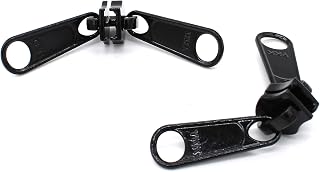
Zipper Replacement Sliders ~ #10 Coil Long Pull with 2 Heads ~ Extra Heavy Duty
$11–$15
Check Price on Amazon →Many experienced owners swap worn sliders at the first sign of skipping rather than waiting for catastrophic failure. It’s cheap insurance.
4. Highway Noise Is Real
If noise is your deciding factor between soft and hard tops, you need to know: entry-level soft tops can be loud. Plan for it.
What actually makes a difference:
- Double-stitched seams and quality door gaskets
- Rear window construction (cheap plastic windows rattle and whistle)
- Multi-layer fabric construction versus single-layer vinyl
The Trektop NX Glide and ExtremeTerrain options genuinely deliver on noise reduction. The budget picks don’t.
5. How You Actually Use Your JK
Your use case should override everything else.
- Daily commuter in a four-season climate: Prioritize sealing and noise reduction. Premium option makes sense.
- Warm-weather trail rig: Consider a modular top or pair a full top with a best JK bikini top for summer topless driving.
- Mixed use (weekday commute, weekend trails): Look for tops with independent section opening like the Trektop NX Glide.
Your trim level can also affect fitment — how trim level affects your JK’s hardware setup covers Sport, Sahara, and Rubicon differences. Wondering about newer platforms? The JK vs JL Wrangler comparison might be worth exploring.
Installing Your New Soft Top: What to Expect
Most 2-door JK soft top replacements are genuinely DIY-friendly. That said, a few specific pitfalls trap people. Here’s what actually matters before you start.
-
Read the instruction sheet completely first. Soft top panels have a specific sequence — doing the rear before the sides is a common mistake that forces you to redo half the work.
-
Warm up the fabric. Cold vinyl is stiff and resists stretching. If the temperature is below 50°F, let the top sit in a warm garage for 30–60 minutes before installing.
-
Seat the rear bow first. The rear bow position controls how the rest of the fabric lays. Get this even slightly wrong and you’ll spend the next hour fighting wrinkles and door seal gaps.
-
Check door seal contact before finishing. Run your hand along the door channel with the top zipped. You should feel consistent resistance all the way down. Gaps here are the #1 source of water leaks and highway noise.
-
Zip slowly the first time. New zippers are stiff. Forcing a zipper that’s not aligned damages the slider immediately — and replacement isn’t worth the hassle.
-
Re-torque the hardware after one week. Vibration from driving settles everything. Come back and snug all bow connections after your first few trips.
Check for pre-existing issues before installing a new top. Some leaking is actually a worn or cracked bow mount, not a bad top. See common JK problems by year for what to inspect on your specific model year.
Frequently Asked Questions: JK 2-Door Soft Tops
Are soft tops for the JK 2-door and 4-door (JKU) interchangeable?
No. The JK 2-door and JKU 4-door have different wheelbases and body lengths. The soft top dimensions are completely different. A top built for the JKU will not fit the 2-door JK, and vice versa. This is the most common fitment error. Always confirm “2-door” explicitly on the listing.
What’s the best soft top material for a Jeep Wrangler JK?
For daily drivers, a quality sailcloth-style vinyl blend beats everything else — better flexibility, quieter, and longer-lasting than single-layer options. For trail-focused rigs, heavier 30-mil vinyl handles brush contact better. The real differentiator is seam quality and zipper construction. Premium materials don’t matter if the zippers fail in six months.
How long does a JK soft top actually last?
With regular care — cleaning, UV protectant treatment, not forcing stiff zippers — most quality aftermarket tops last five to eight years. Factory tops often degrade faster due to age and sun exposure. The zipper sliders usually need replacing first, often within three to five years of regular use.
Can I install a JK soft top by myself?
Yes. Most 2-door JK soft top replacements are genuinely a one-person DIY project and take two to four hours depending on design. Modular or premium tops with integrated hardware systems (like the Trektop NX Glide) benefit from a second set of hands during initial alignment, but basic OEM-replacement tops are truly solo-friendly if you follow the sequence in the instructions.
Does soft top fitment change by trim level (Sport, Sahara, Rubicon)?
Fitment is primarily driven by model year and body style (2-door vs. 4-door), not trim level. However, trim level can affect what factory hardware is already installed. See Rubicon vs Sport vs Sahara — trim level differences explained for hardware-specific details. If you’re considering an upgrade to a newer platform entirely, the JK vs JL Wrangler comparison is worth reading.
Reminder: Always double-check both model year AND body style (2-door JK vs. 4-door JKU) before purchasing. Fitment errors are the top reason for returns in this category.
Final Word: Which 2-Door JK Soft Top Should You Buy?
For most 2-door JK owners, the Black Diamond OEM Replacement Soft Top is the right answer. It fits 2010–2018 JKs without guesswork, installs on your existing hardware, and delivers real durability at a fair price. You’re not getting fancy features, but you’re getting a straightforward replacement that works.
On a tight budget, Smittybilt or Rampage deliver solid value. If highway noise is your biggest complaint, the Bestop Trektop NX Glide justifies its premium price. Own a 2007–2009 JK? Make sure any top you’re looking at explicitly lists support for your model year — early JKs are fussier about compatibility.
Ready to move forward? Browse the complete JK Buyers Guide for everything from lift kits to lighting to suspension upgrades.
Get the Free JK Build Planner
Complete PDF with mod checklists, gear ratios, tire sizing charts, and budget worksheets. Everything you need to plan your JK build.
No spam. Unsubscribe anytime. By subscribing, you agree to our Privacy Policy.
Allan
I'm Allan. I bought a 2014 Jeep Wrangler JKU and I research the hell out of every mod before I touch it. Everything here is tested or deeply researched on my own rig - no sponsored fluff, just honest findings.
Learn more about me →Get the JK Build Planner
Free PDF with complete build checklists, gear ratios, and tire fitment guides.
By subscribing, you agree to our Privacy Policy.
Related Articles
Best Soft Top for Jeep JK Unlimited: Top 8 4-Door Options
Best soft tops for Jeep Wrangler JK Unlimited 4-door reviewed: premium Sailcloth, budget vinyl, Sunrider flip-back, and quick-removal options for 2007-2018 JKU models.
Best Winch for Jeep JK Unlimited: Heavy-Duty Options for 4-Door
The best winch for a 4-door JK Unlimited is 10K-12K lbs with synthetic rope. We compare top picks for weight, features, and real-world recovery.
Best Recovery Winch for Jeep JK: Heavy-Duty Off-Road Recovery Options