Jeep JK Willys Edition: What Makes It Different from Sport & Sahara?
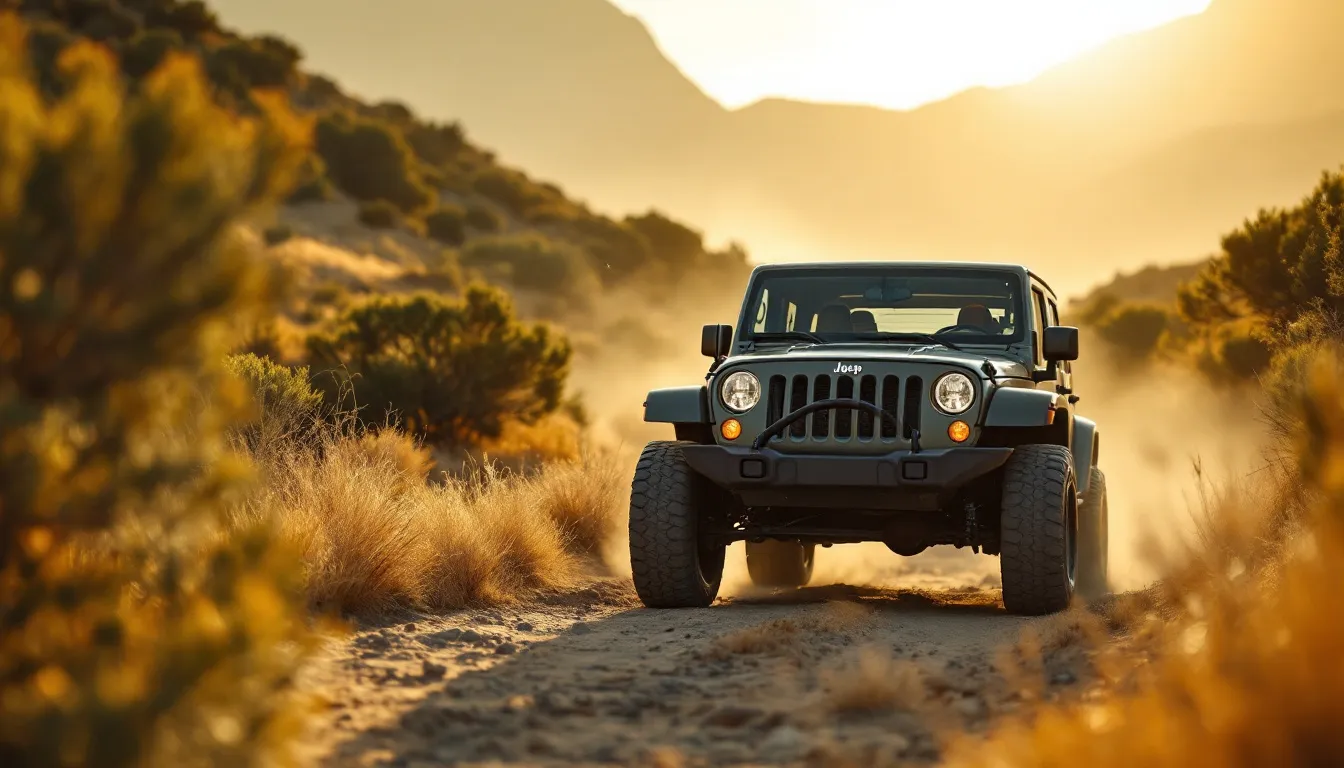
Jeep JK Willys Edition: What Makes It Different from Sport & Sahara?
Introduction
The Jeep Wrangler Willys is a mid-range JK trim introduced for the 2014 model year, sitting between the Sport S and Sahara. It comes with genuine off-road hardware — a factory suspension lift, all-terrain tires, rock rails, and skid plates — on the Sport’s no-frills platform at a price well below the Rubicon. If you’re shopping used and wondering whether the Willys badge actually means something, the answer is yes. It ships with upgrades that would cost several hundred dollars to add later.
The Willys honours the original WWII-era Willys MB that started the whole Jeep thing. That’s not just cosmetic — the trim includes real mechanical off-road equipment. But it’s also not a Rubicon. Knowing exactly where it sits in the JK lineup tells you whether it’s the right truck for your needs and what you’ll want to spend money on after you buy. For a broader look at where upgrade dollars go furthest, see JK mods by budget.
Get new guides by email
One email when we publish something worth reading. Unsubscribe anytime.
What Is the Jeep Wrangler Willys Edition?
The Willys Edition is a factory off-road package built on the Sport platform, first offered in 2014 and carried through to the end of JK production in 2018. Jeep positioned it as a trail-capable trim that didn’t require stepping all the way up to Rubicon prices.
Standard Willys equipment includes:
- 1-inch factory suspension lift (steel coil spacers front and rear)
- 32-inch all-terrain tires on steel wheels (typically LT255/75R17)
- Rock rails (side steps with integrated protection)
- Front and rear tow hooks
- Black exterior trim and grille (heritage styling)
- Willys badge and heritage graphics package
- Dana 30 front / Dana 44 rear axle configuration (same as Sport)
- Standard open differentials (no factory lockers)
Body styles: The Willys was offered in both the two-door JK and the four-door JKU Unlimited. If interior space and a second full row of seating matter to you, hunt for a JKU Willys on the used market.
Model-year notes: The 2014 debut year saw some variation in equipment; owners report that Jeep tightened the package by 2015, particularly with rock rails becoming more consistently standard rather than a dealer add-on. If you’re looking at a 2014, verify the rock rails are actually on the specific truck.
What the Willys doesn’t include: locking differentials, electronic sway-bar disconnect, or the Dana 44 front axle you get on the Rubicon. For skid plate coverage beyond the factory transfer case protection, you’ll want aftermarket armor — see JK skid plates for what fits the non-Rubicon JK underbelly.
Willys vs Sport and Sport S: What Do You Actually Gain?
The Willys gives you a factory suspension lift, all-terrain tires, rock rails, and skid plating that the Sport and Sport S simply don’t include. On the used market, that premium is often smaller than buying and fitting those items yourself.
The Sport S creates confusion. It adds comfort and convenience features — air conditioning, power windows, keyless entry — over the base Sport, but it adds zero off-road hardware. A lot of buyers searching “Sport S vs Willys” expect the Sport S to be the more capable truck because it sounds like a step up. It isn’t, on the trail.
| Feature | Sport | Sport S | Willys |
|---|---|---|---|
| Factory suspension lift | None | None | ~1 inch |
| Tire size | 30-inch (LT245/75R17) | 30-inch (LT245/75R17) | 32-inch (LT255/75R17) |
| Rock rails | Not standard | Not standard | Standard |
| Transfer case skid plate | Basic | Basic | Heavy-duty |
| Power windows / locks | Not standard | Standard | Not standard |
| Air conditioning | Not standard | Standard | Not standard |
| Keyless entry | Not standard | Standard | Not standard |
| Typical used price range | Lower | Slightly above Sport | Mid-range premium |
Here’s the thing: if you’re choosing between a Sport S and a Willys at similar used prices and plan to trail ride, the Willys wins on capability every time. Choose the Sport S if you spend most time on pavement and want creature comforts, then add a lift later if trails call. For body protection upgrades that work with the Willys rock rails, see rock sliders vs rocker guards.
How Does the Willys Compare to the Sahara?
The Willys and Sahara represent two different priorities at roughly similar price points: the Willys trades comfort for capability, while the Sahara trades capability for daily-driver refinement.
The Sahara adds body-colored fender flares, chrome accents, soft-top or hardtop as standard, heated mirrors, and a premium sound system. On pavement, it’s the more pleasant place to spend an hour in traffic. Off pavement, the Willys wins with its lift, all-terrain rubber, and rock rails. The Sahara rides on road-oriented tires and sits at stock height — a real disadvantage on uneven trails.
Sahara wins on comfort: Power windows, locks, keyless entry, upgraded audio, and body-colored trim are all standard. The Willys skips most of this.
Willys wins on the trail: Factory lift, 32-inch all-terrain tires, rock rails. The Sahara has none of these from the factory.
One thing both trims share: the stock JK headlights are barely adequate at night, particularly on unlit rural roads. This isn’t a trim issue — it’s an every-JK issue. Upgrading to LED units happens early on most builds regardless of which trim you own. A 7-inch round LED headlight upgrade takes about 20 minutes with a screwdriver and makes a noticeable difference in night visibility.

For fender flare options that suit both Willys and Sahara body styles, see JK fender flare options.
Willys vs Rubicon: Is the Willys Good Enough for Serious Off-Roading?
The Willys handles moderate trails with confidence. But it is not a Rubicon, and the hardware differences matter when trails get technical. The factory lift and all-terrain tires get you started, but the Rubicon carries several pieces of gear the Willys simply doesn’t have.
What the Rubicon adds that the Willys lacks:
- Dana 44 front axle (vs Dana 30 on the Willys)
- Front and rear locking differentials (air-activated, from the factory)
- Electronic sway-bar disconnect (critical for maximum axle articulation)
- 4:1 transfer case (vs 2.72:1 on the Willys) — this matters in slow rock-crawling
- Larger factory tires (33-inch vs 32-inch on the Willys)
The Dana 30 front axle is where Willys and Sport owners hit trouble on technical trails. Owners report that running 35-inch tires without a re-gear stresses the Dana 30’s U-joints and axle shafts. Even at factory 32-inch tire size, if you plan to wheel hard, the Dana 30 internals benefit from upgrading to chromoly shafts. A chromoly axle kit is the common upgrade path for Willys owners wanting to push harder without buying a Rubicon.

For recovery gear that complements a trail-capable Willys, see best winch for the JK and kinetic recovery rope.
Known Issues to Check Before You Buy a Used Willys
Before handing over money for a used Willys, inspect these specific areas. Like all JKs, the Willys has a documented set of common problems that show up on the used market.
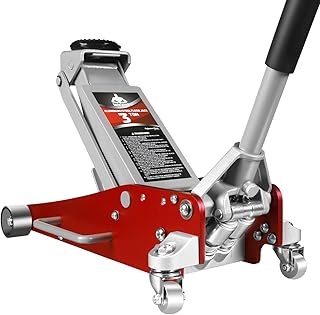
Start underneath. Get the truck on a floor jack and look at the suspension components, skid plates, and rock rails for trail damage. A Willys that has been wheeled hard will show it. A quality low-profile floor jack makes the pre-purchase inspection far more thorough. You can check for bent rocker rails, cracked skid plates, and leaking differentials in a few minutes.
Inspection checklist:
- Death wobble — Wrangler owners report this steering-stability issue across all JK trims. Test drive at 55–65 mph; violent shimmy in the steering wheel means you need a front-end inspection before buying.
- Coolant leak — Owners commonly report coolant leaks from engine blocks and water pumps on higher-mileage JKs. Look for dried white residue around the water pump and at coolant hose connections.
- Suspension squeak — Many owners report suspension squeaking over slow-speed undulations. Sway-bar end links and control arm bushings are often the culprit.
- Rock rail damage — Check for bending or cracking from trail use; a heavily dented rail tells you how the truck was driven.
- Differential fluid — Pull the fill plug and check the colour. Burnt or metallic-smelling diff fluid means heat stress, especially if the previous owner fitted larger tires.
Approximate fluid reference points (verify against your specific vehicle’s owner manual before service):
- Coolant capacity: approximately 11–13 quarts for the 3.6L V6
- Transmission fluid (NSG370 manual): approximately 3.3 quarts; (545RFE/W5A580 auto): approximately 8–9 quarts total fill. Always confirm the exact spec and fluid type in your owner manual before topping up.
- Brake fluid: DOT 3 or DOT 4 as specified in your manual; the reservoir is small, so top up rather than do a full drain unless flushing the system
For rear bumper options that protect a used Willys you’re building out, see JK rear bumper upgrades.
What to Upgrade First on a Jeep Wrangler Willys
The Willys already comes with a lift, all-terrain tires, and rock rails from the factory, so your upgrade money goes furthest on lighting, interior comfort, and targeted mechanical reinforcement. You’re not starting from scratch like a Sport owner.
Is the Jeep Wrangler Willys worth buying? Yes, with conditions. If you want a trail-ready JK without building one from a base Sport, the Willys is genuinely good value on the used market. The factory off-road hardware would cost more to buy and install separately. The catch: if you plan to run 35s and wheel hard, budget for a re-gear and axle shaft upgrade on top of the purchase price.
Top first upgrades for the Willys:
LED headlights are the highest-impact mod on any JK trim. Plug-and-play installation delivers immediate night-time visibility gains.
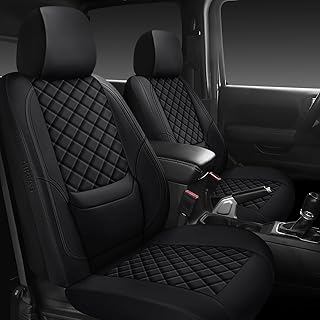
The Willys’s cloth seats take a beating from trail use and muddy gear. Waterproof leather-style seat covers protect the original upholstery and make cleanup after a trail day straightforward.
The JK’s centre console is famously cramped. A tray organiser for the 2011–2018 JK/JKU is an affordable fix that makes the cabin noticeably more liveable on both road and trail.

If your Willys has factory fog light provisions in the front bumper, a 60W LED upgrade sharpens visibility on dusty trails and in rain.

For a complete spend plan, see best JK mods by budget. Seasonal comfort matters too. JK bikini tops for summer covers a popular Willys mod for warm-weather driving.
Frequently Asked Questions: Jeep Wrangler Willys Edition
Buyers asking about the Willys typically want to know about pricing, trim comparisons, towing, service intervals, and fluid specs. Here are direct answers — verify fluid figures against your specific vehicle’s owner manual before any service work.
Q: What are the different Willys Jeep models available?
A: In the JK generation (2007–2018), the Willys Edition came in both two-door JK and four-door JKU Unlimited. It was available from 2014 through 2018. Jeep has also offered Willys editions on the JL (2018-present), but those are a different generation.
Q: How much does a Jeep Wrangler Willys cost on the used market?
A: Used JK Willys examples vary widely depending on year, mileage, and condition. As of 2026, well-maintained 2014–2016 examples generally fall in the mid-to-upper portion of the JK Sport price range. 2017–2018 models command a premium. Current listing prices fluctuate, so search your region to get an accurate picture.
Q: Are Jeep Wrangler Willys editions worth buying?
A: Yes, for most off-road buyers. The factory lift, 32-inch all-terrain tires, and rock rails are genuine value-adds that cost more to source and install later. The exception: if you plan 35-inch tires and serious trails, budget for a re-gear and possibly axle shaft upgrades on top of the purchase price.
Q: What is the difference between a Sport S and other trims?
A: The Sport S adds comfort and convenience — power windows, locks, keyless entry, and air conditioning — over the base Sport. It adds no off-road hardware. The Willys skips most of those comfort features but adds a factory lift, larger all-terrain tires, and rock rails. Different priorities, different trucks.
Q: How does the Willys compare to the Rubicon trim?
A: The Rubicon is significantly more capable. It adds a Dana 44 front axle, front and rear locking differentials, electronic sway-bar disconnect, and a 4:1 transfer case. The Willys is a credible moderate-trail truck; the Rubicon is built for serious rock crawling.
Q: How does the Willys compare to the Sahara trim?
A: The Sahara is more comfortable on road with better audio, body-colored trim, and power accessories. The Willys is more capable off road with its lift, all-terrain tires, and rock rails. Split your time evenly between pavement and trails? The Willys is your platform. Mostly drive pavement? The Sahara’s daily-driver comfort is hard to argue with.
Q: How does the Willys compare to the Sport S trim?
A: The Willys wins on off-road hardware; the Sport S wins on comfort features. At similar used prices, the Willys gives you more trail capability. The Sport S gives you more in-cabin convenience. See the comparison table above for details.
Q: What is the towing capacity of a Willys model?
A: The JK Wrangler’s towing capacity is generally rated at approximately 2,000 lb (factory hitch, standard configuration) up to 3,500 lb with the factory tow package. The Willys trim itself doesn’t change the rating. Verify the specific tow package on the vehicle you’re considering, as not all Willys examples came equipped the same way.
Q: How often should routine service be performed on a JK?
A: Jeep’s guidance for the JK 3.6L engine calls for oil changes approximately every 5,000–8,000 miles depending on use and oil type. Off-road use, dusty conditions, and short trips shorten intervals. Differential fluids on trail-driven JKs are commonly changed every 30,000 miles or after significant water crossings. Confirm your specific service intervals in the owner manual.
Q: What is the correct transmission fluid capacity?
A: Approximate figures: the NSG370 six-speed manual holds approximately 3.3 quarts; the automatic (545RFE or W5A580) holds approximately 8–9 quarts total fill. The correct fluid type and exact capacity varies — consult your owner manual and verify before service. Never use a substitute fluid type.
Q: What type and amount of brake fluid is needed?
A: JK Wranglers typically specify DOT 3 brake fluid, though DOT 4 is compatible. The reservoir is small — top-ups are usually just a few ounces. If flushing the entire system, your owner manual gives the exact capacity for your model year.
Q: What is the coolant capacity for these models?
A: The 3.6L Pentastar V6 in the JK holds approximately 11–13 quarts of coolant. Jeep specifies OAT (Organic Additive Technology) coolant — typically the HOAT or OAT type depending on model year. Always confirm the correct spec in your owner manual before adding coolant. For hardtop and shade options that reduce cabin heat and coolant system stress in hot climates, see best JK hardtops and best phone mount for JK.
Bottom Line: Should You Buy the Jeep Wrangler Willys?
Yes — if trail capability on a budget is your priority. The Willys delivers factory off-road hardware that makes it the best-value starting point in the JK lineup for anyone who actually wants to use the truck off pavement, without paying Rubicon prices.
Buy the Willys if:
- You want a factory-lifted, all-terrain-shod JK without building from a Sport
- You plan moderate trails and weekend off-roading
- You prefer raw capability over daily-driver comfort
Look elsewhere if:
- Serious rock crawling is your goal (buy a Rubicon)
- You spend 95% of your time on paved roads (the Sahara suits you better)
- Your budget doesn’t leave room for the re-gear and axle upgrades you’ll eventually want
The Willys is a genuine, hardware-differentiated trim, not a badge package. Owners who buy one as a starting point and work through a thoughtful upgrade path typically find it punches above its price. For exactly that upgrade path, start with JK mods by budget.
Free: JK Fluids at a Glance
Every fluid, spec and capacity for the 2007-2018 Wrangler JK on one page, plus a cut-out glovebox card. Checked against the owner's manuals. From the JK Service Kit.
Email me the download and new guides when they are published. Unsubscribe anytime. Privacy Policy.
Allan
I'm Allan. I own a 2014 Jeep Wrangler JKU and I research the hell out of every mod before I touch it. When I've fitted something to my own Jeep, I say so. Everything else is researched from manufacturer specs and other owners' reports. No sponsored fluff.
Learn more about me →Free: JK Fluids at a Glance
Every fluid, spec and capacity for the 2007-2018 JK on one page, plus a glovebox card.
Email me the download and new guides when they are published. Unsubscribe anytime. Privacy Policy.
Related Articles
Jeep Wrangler JK Accessories Ranked: What's Worth Buying and What to Skip
Jeep Wrangler JK accessories are aftermarket or OEM parts and upgrades designed to improve the function, comfort, or appearance of the 2007–2018...
The Best Accessories for a Jeep Wrangler JK: 15 Upgrades Worth Every Dollar
Accessories for a Jeep Wrangler JK are aftermarket and OEM parts that improve lighting, storage, protection, recovery, and style on the 2007–2018 JK...
Jeep JK Rubicon Off-Road Capability: What the Factory Locker & Rock-Trac Package Actually Does
The Jeep Wrangler JK Rubicon is the factory-built, trail-ready variant of the 2007–2018 Wrangler. What separates it from every other JK trim is four...