Best Soft Top For Jeep Wrangler Jk 2-door
This article contains affiliate links. We may earn a commission at no extra cost to you.
Best Soft Top For Jeep Wrangler JK 2-Door: Real-World Guide
Your soft top is worn, faded, or leaking. You need a replacement, and you want to get it right the first time. For JK 2-door owners, the soft top market offers genuine confusion—aftermarket options that promise savings, OEM replacements with confusing part numbers, and material choices that sound identical but perform very differently.
The best soft top for most JK 2-door owners is the OEM replacement with tinted windows. It fits correctly the first time, uses factory-grade materials proven to last 5-7 years, and includes all necessary hardware. For this guide, I didn’t rely on manufacturer spec sheets. Real-world community knowledge—from forums, fellow owners, and installation experiences—guided every recommendation. Budget matters, but so does avoiding the frustration of poor fitment or premature zipper failure.
For readers comparing all top options across both body styles, check out our complete JK soft top guide covering 2-door and 4-door models.
Best Overall: OEM Replacement Soft Top
The factory knows your Jeep better than anyone. That’s not brand loyalty talking—it’s the reality of fitment tolerances, hardware compatibility, and material specifications developed specifically for the JK platform.
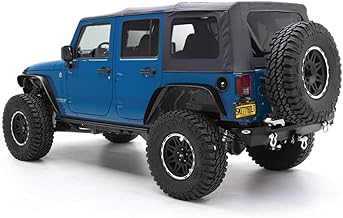
OEM Replacement Soft Top with Tinted Windows – Black Diamond (10-18 JKU) - SB9085235
$245.99
Check Price on AmazonThis OEM replacement delivers what matters most: it fits. The door surrounds align with factory holes. The header bar drops into place without drilling. The rear window zippers operate smoothly because they’re engineered for this exact application. You’ll find the part number lists “JKU” in many places—this reflects Mopar’s internal numbering system, but verify the description specifies 2-door fitment before ordering.
The tinted windows are a practical upgrade over clear vinyl. They reduce interior heat by a noticeable margin on summer days and provide privacy when you’re parked. The sailcloth material resists UV degradation better than entry-level vinyl alternatives, typically lasting 5-7 years with proper care.
Installation takes 2-3 hours for someone working alone without rushing. You’re not fighting misaligned mounting points or trimming fabric to make it work. Everything lines up because it was designed to line up. That peace of mind justifies the higher price point for most owners who simply want their Jeep weathertight again.
The hardware kit includes new zipper pulls, which seem minor until you’ve dealt with aftermarket sliders that catch or break within months. These small details separate a frustration-free installation from one that leaves you ordering parts mid-project.
Soft Top Materials Explained: Sailcloth vs Vinyl vs Premium Twill
Understanding material differences prevents buyer’s remorse. The soft top market uses three distinct fabric types, each with trade-offs in durability, noise, and weatherproofing.
Sailcloth dominates OEM and premium aftermarket tops. This woven polyester-cotton blend resists UV damage and maintains flexibility in cold weather. It’s quieter than vinyl at highway speeds and doesn’t develop the brittle texture that causes cracking. Expect 5-7 years before UV exposure degrades the fabric enough to warrant replacement. Sailcloth feels more like canvas than plastic—it breathes slightly, which prevents interior condensation but requires proper sealing at attachment points.
Vinyl appears on budget-oriented soft tops. It’s waterproof, affordable, and easy to manufacture. The downsides reveal themselves over time. Vinyl stiffens in cold weather, making winter removal nearly impossible without a heated garage. It drums loudly at highway speeds—a constant background rumble that becomes exhausting on long trips. UV exposure causes vinyl to crack, usually starting at fold points where the material flexes repeatedly. Budget 3-5 years of service before replacement becomes necessary.
Premium twill represents the high end. This tightly woven fabric combines the weatherproofing of vinyl with the flexibility of sailcloth. It’s noticeably quieter and develops a soft texture as it ages. The catch? Premium twill costs 40-60% more than sailcloth and offers only marginal performance gains for most climates. Consider it if you live in extreme environments or keep your Jeep long-term.
| Material | Expected Lifespan | Best For |
|---|---|---|
| Sailcloth | 5-7 years | Daily drivers, balanced performance |
| Vinyl | 3-5 years | Budget builds, seasonal use |
| Premium Twill | 7-10 years | Long-term ownership, extreme climates |
If you’re weighing whether a soft top makes sense at all, the soft top versus hardtop comparison breaks down the durability equation in detail.
What to Expect: Installing a 2-Door Soft Top
Installation isn’t complicated, but it demands patience. Rushing causes misalignment that haunts you every time you zip the windows closed.
Start by removing your old top completely. Strip it down to the bare roll bars and door frames. This lets you inspect the mounting hardware for rust or damage. Replace any corroded bolts or stripped retention clips before fitting the new fabric—you don’t want to disassemble everything twice.
The header bar goes on first. It clamps to the windshield frame with four retention brackets. Align these carefully. If the header sits even slightly off-center, the entire top will pull to one side, creating gaps at the doors. Take 10 minutes here to get it perfect.
Next comes the bow assembly. The rear bow slides into pockets sewn into the fabric, then locks into mounting brackets on each side of the tub. The middle bow (on 2-door models, there’s typically one) provides tension to keep the fabric taut. Don’t overtighten yet—you’ll make final adjustments after everything is in place.
Now fit the rear curtain. This is where patience pays off. Align the zipper teeth carefully before pulling the slider. A misaligned zipper creates stress points that lead to early failure.
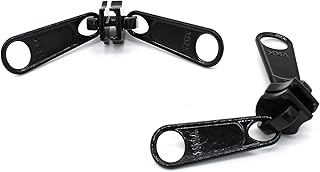
Zipper Replacement Sliders ~ #10 Coil Long Pull with 2 Heads-~ Extra Heavy Duty - Replacement sliders / Zippers for Hardtop / Soft top Utility Vehicles - Black (2 Sliders / Pack)
$11.99
Check Price on AmazonKeep spare zipper sliders on hand. They’re the most common failure point and cost $12 for a two-pack. When a slider breaks (and eventually one will), you can fix it in 5 minutes instead of ordering a new rear curtain for $200.
The side curtains attach last. Zip them to the door surrounds, then secure the retaining straps. This is where you’ll do the bulk of your adjustments. The fabric should be taut but not drum-tight. Some wrinkles are normal—you’re chasing proper seal, not show-car perfection.
Budget 2-3 hours working alone, or 90 minutes with a helper. The second set of hands is invaluable when aligning the rear curtain while simultaneously securing the bow brackets. Work in temperatures above 60°F if possible. Cold fabric doesn’t stretch, making installation unnecessarily difficult.
JK 2-Door Soft Top Compatibility: 2007-2010 vs 2011-2018
One year changes everything. In 2011, Jeep redesigned the soft top attachment system on all JK models. This wasn’t a minor revision—it’s a fundamentally different mounting architecture that makes pre-2011 and post-2011 tops incompatible.
2007-2010 models use a channel-and-rail system. The soft top fabric slides into metal rails mounted to the roll bars. This design works but allows the top to shift slightly, creating whistling at highway speeds. If you own a 2007-2010 JK 2-door, verify the product description explicitly states compatibility with your model year range.
2011-2018 models switched to a direct-mount system with individual retention clips. This eliminates the sliding problem and improves sealing. The mounting points are spaced differently, and the fabric dimensions changed to accommodate the new hardware. A 2011+ soft top will not fit a 2010 model, no matter how much you adjust or trim.
The confusion compounds because many retailers list soft tops as “2007-2018 JK” without noting the 2011 change. This isn’t malicious—it’s sloppy product data entry. Always verify the year range in multiple places: product title, description, and customer Q&A sections. If anything looks ambiguous, contact the seller directly.
Door surrounds add another compatibility layer. A 2007 door surround differs from a 2011 door surround in mounting hole locations. When replacing your soft top, inspect your door surrounds. If they’re cracked or sun-damaged, replace them simultaneously to ensure everything aligns correctly.
For owners curious about all the changes across JK production years, the complete JK model year changes guide documents every significant revision.
Making Your Soft Top Last: Weatherproofing & Maintenance
A $1,000 soft top costs $200 per year over five years, or $100 per year over ten years. Maintenance is the difference.
Every three months, wash the entire top with automotive soap and a soft brush. Use a dedicated soft top cleaner if the fabric is heavily soiled. This removes dirt that acts like sandpaper in the fabric weave. Rinse thoroughly—soap residue attracts dirt and accelerates UV damage.
Twice per year, apply a fabric protectant designed for automotive use. This rejuvenates the water-repellent coating and provides UV protection. Don’t use Scotchgard or household fabric protectants—they’re formulated for indoor furniture and won’t hold up to road grime and weather exposure. Apply the protectant after washing, when the fabric is completely dry. Work in sections, following the grain of the weave.
Every use, lubricate the zippers. A silicone-based zipper lubricant takes 30 seconds and prevents 90% of zipper problems. The sliders wear out regardless, so keep spare replacement sliders in your glove box.
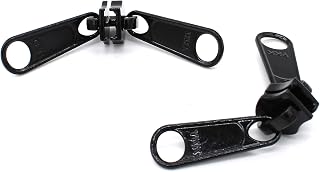
Zipper Replacement Sliders ~ #10 Coil Long Pull with 2 Heads-~ Extra Heavy Duty - Replacement sliders / Zippers for Hardtop / Soft top Utility Vehicles - Black (2 Sliders / Pack)
$11.99
Check Price on Amazon →When you replace a slider, apply lubricant before installing it. This seats the slider teeth properly and prevents binding from day one.
Store properly in winter. If you swap to a hardtop seasonally, don’t fold the soft top wet. Let it dry completely, then fold it loosely. Store it in a climate-controlled space if possible—attics and unheated garages subject the fabric to temperature extremes that accelerate aging. If space allows, lay it flat rather than folding it. This prevents permanent creases at fold lines, which become weak points that crack under UV exposure.
Inspect seals annually. The rubber weatherstripping around door frames degrades faster than the fabric. When seals fail, water enters at the doors and windows regardless of fabric condition. Replace door seals at the first sign of cracking or compression set (when the rubber stays compressed and won’t spring back).
Address leaks immediately. A small drip becomes a tear becomes a replacement project. Most soft top leaks originate at zippers or mounting points, not fabric failure. A tube of marine-grade sealant costs $8 and fixes 90% of minor leaks in 10 minutes. Don’t let water intrusion continue unchecked.
This maintenance schedule adds maybe 2 hours per year to your routine. That’s a small investment for doubling your soft top’s service life.
How to Choose the Right Soft Top for Your JK 2-Door
Match the soft top to your usage pattern, not your budget. A $500 top that lasts 3 years costs more per year than a $900 top that lasts 8 years.
If you’re a daily driver in variable weather, go OEM or premium aftermarket sailcloth. You need weatherproofing that works and noise levels that won’t drive you insane on your commute. The upfront cost is higher, but you’re not replacing it in 3 years. Factor in your climate—UV exposure in Arizona degrades tops faster than marine air in Washington.
If you’re building a budget weekend trail rig, aftermarket vinyl makes sense. You’re prioritizing other mods, and the top spends most of its life sitting in your driveway. Accept the shorter lifespan and plan to replace it in 4-5 years. Just don’t cheap out on a no-name brand that won’t seal properly—that’s false economy.
If you run doorless frequently, consider whether you need a full soft top at all. Bikini top alternatives provide sun and light rain protection for $200-300 and pack down to nothing when removed. Pair a bikini top with a tonneau cover for the rear cargo area, and you’ve got 80% of the functionality at 40% of the cost.
If you’re keeping your JK long-term (8+ years), premium twill justifies the investment. The material quality compounds over time. By year 6, the cheap vinyl top is on its second replacement while the premium twill still seals and operates smoothly.
Verify your door surrounds before ordering. If they’re original and showing wear, replace them with your new top. Mismatched door surround condition creates fitment problems and makes the entire installation look unfinished. Budget an extra $150-200 for new surrounds if yours are more than 8 years old.
Don’t forget hardware. Some aftermarket soft tops ship without the complete hardware kit. You’ll need bow assembly parts, retention clips, and possibly new header bar components. Read the product description carefully—“top only” means you’re sourcing hardware separately, which adds time and cost.
The complete JK buyer’s guide helps contextualize soft top decisions within your broader mod priorities and budget allocation.
Frequently Asked Questions
How long does a Jeep soft top last?
Quality sailcloth tops last 5-7 years with proper maintenance. Budget vinyl tops typically need replacement after 3-5 years. Lifespan depends heavily on UV exposure, storage practices, and whether you clean and protect the fabric regularly. A top stored wet or left uncleaned for years might fail in 2-3 years regardless of material quality.
Can you install a soft top yourself?
Yes. Installation requires basic hand tools and 2-3 hours. No drilling or permanent modifications are necessary on most applications. The key is patience during alignment—rushing causes seal gaps and zipper problems. Working with a helper reduces installation time by about 30% and makes rear curtain alignment much easier.
What is the difference between OEM and aftermarket soft tops?
OEM tops use factory specifications for fitment and materials, ensuring compatibility with original mounting hardware. Aftermarket tops vary widely—some match OEM quality at lower prices, while others sacrifice fitment tolerance to hit aggressive price points. OEM tops typically include complete hardware kits; aftermarket options sometimes ship without necessary mounting components.
Will a JKU soft top fit a JK?
No. JKU (4-door Unlimited) tops are physically longer and use different bow configurations. The confusion stems from part numbering systems that sometimes label 2-door tops with JKU codes. Always verify the product description explicitly states “2-door” fitment. Part numbers alone are unreliable for confirming compatibility.
Do I need new door surrounds with a new soft top?
Not always, but inspect yours carefully. If the door surrounds show cracking, UV fading, or mounting hole wear, replace them simultaneously. New fabric on old, worn surrounds creates fitment problems and looks unfinished. Door surrounds are inexpensive compared to the soft top itself—don’t compromise your installation for $150 in savings. For more context on wear patterns, see the common JK problems by year breakdown.
Final Recommendations
Buy once, cry once applies perfectly to soft top replacement. The OEM option delivers the most predictable outcome for most JK 2-door owners—proper fitment, proven materials, and complete hardware eliminate the variables that plague cheaper alternatives.
If budget constraints push you toward aftermarket, prioritize material quality and seller reputation over the absolute lowest price. A top that doesn’t seal properly isn’t a bargain at any price.
Verify your model year compatibility before ordering. That 2011 cutoff isn’t negotiable, and “universal fit” claims almost always disappoint.
Maintenance isn’t optional if you want years of service. Clean quarterly, protect twice yearly, and lubricate those zippers.
For readers exploring the full spectrum of JK top options, the complete soft tops and hardtops guide compares all configurations across both body styles and year ranges. Your next step: verify your exact model year, measure your door surrounds, and order the top that matches your usage pattern.
This article contains affiliate links. If you purchase through these links, we may earn a small commission at no extra cost to you. This helps support the site and allows us to continue creating content for the Jeep JK community.
Get the Free JK Build Planner
Complete PDF with mod checklists, gear ratios, tire sizing charts, and budget worksheets. Everything you need to plan your JK build.
No spam. Unsubscribe anytime. By subscribing, you agree to our Privacy Policy.
Allan
I'm Allan. I bought a 2014 Jeep Wrangler JKU and I research the hell out of every mod before I touch it. Everything here is tested or deeply researched on my own rig - no sponsored fluff, just honest findings.
Learn more about me →Get the JK Build Planner
Free PDF with complete build checklists, gear ratios, and tire fitment guides.
By subscribing, you agree to our Privacy Policy.
Related Articles
Jeep JK Door Removal and Storage During Off-Road Season
Pull your Jeep JK's doors off, and something shifts. The whole driving experience changes — wind noise replaces engine sound, sightlines open up, and...
Adaptive LED Headlight Systems Jeep JK: Automatic Beam Adjustment Explained
Adaptive LED headlight systems for the Jeep JK sound like they should do something fancy — something that tracks corners or levels itself with a load....
Jeep JK Rock Sliders Installation Guide: Steel vs Aluminum
Disclosure: JeepJK Guide earns a commission on qualifying Amazon purchases at no extra cost to you. We only recommend products we'd bolt onto our own rigs.