JK Buyers Guide: How to Find the Right Wrangler
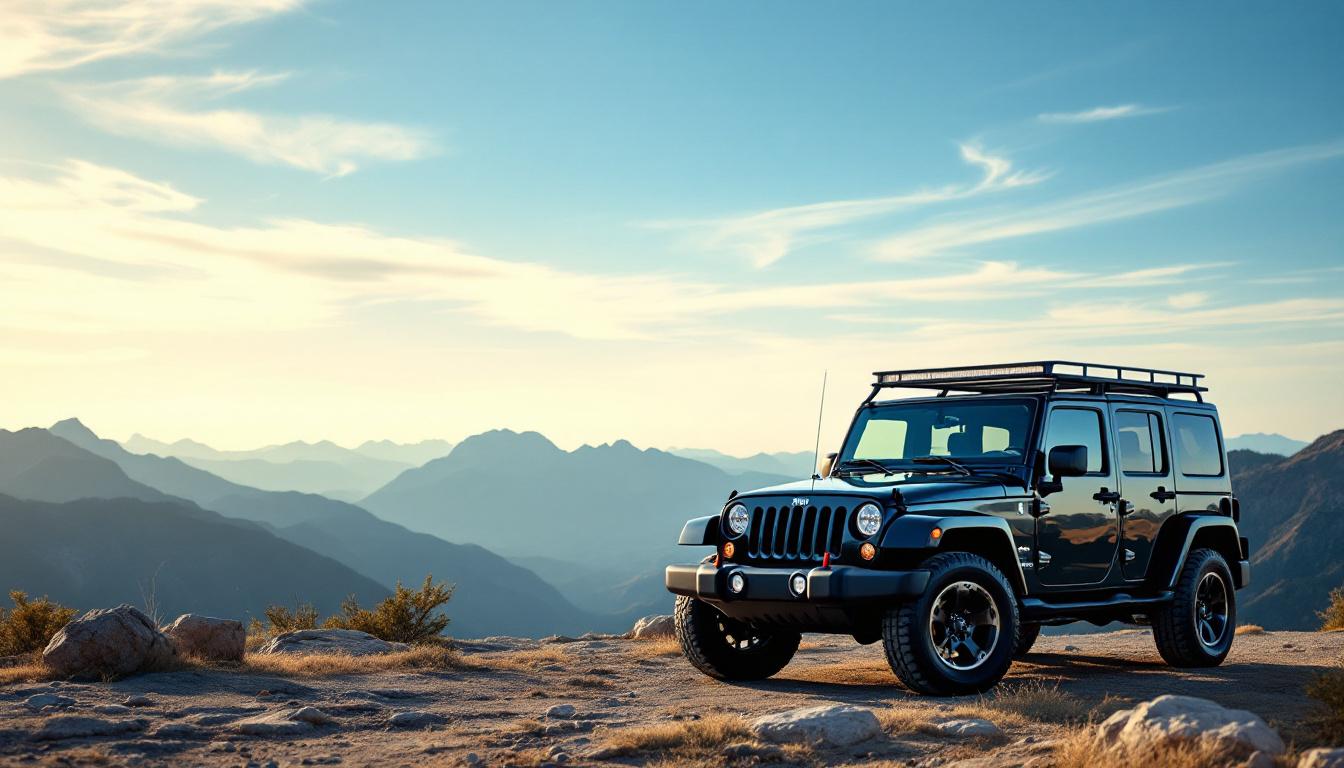
The Jeep Wrangler JK ran from 2007 to 2018. Over those 12 model years, Jeep sold over 2 million of them. That means there are plenty of used JKs out there - but some are solid trail rigs while others are money pits waiting to drain your bank account.
This guide will help you tell the difference.
Why Buy a JK in 2026?
The JK sits in a sweet spot right now. It’s old enough to be affordable but new enough to have modern amenities and solid parts availability. Compared to the newer JL (2018+), the JK offers:
- Significantly lower purchase prices (often $10,000-15,000 less)
- Massive aftermarket support with mature, proven products
- Simpler electronics that are easier to work on
- Still very capable off-road
The JK was also the first Wrangler offered in a 4-door configuration (JKU Unlimited), making it practical for families and overlanding in ways earlier Wranglers never were.
Get new guides by email
One email when we publish something worth reading. Unsubscribe anytime.
JK Generations and Model Years at a Glance
The JK didn’t change dramatically during its 12-year run, but there are key differences you need to understand.
| Year Range | Engine | Transmission | Key Notes |
|---|---|---|---|
| 2007-2008 | 3.8L V6 | 4-speed auto / 6-speed manual | First years - most bugs, avoid if possible |
| 2009-2011 | 3.8L V6 | 4-speed auto / 6-speed manual | Improved quality, budget-friendly option |
| 2012 | 3.6L Pentastar | 5-speed auto / 6-speed manual | New engine - check build date |
| 2013-2014 | 3.6L Pentastar | 5-speed auto / 6-speed manual | Sweet spot for value |
| 2015-2017 | 3.6L Pentastar | 5-speed auto / 6-speed manual | Most refined, fewer issues |
| 2018 | 3.6L Pentastar | 5-speed auto / 6-speed manual | Final year, highest prices |
The biggest change came in 2012 with the introduction of the 3.6L Pentastar V6. This is the dividing line that matters most when shopping. For a detailed breakdown of every model year with specific recommendations, see our Best Year JK to Buy guide.
The Engine Decision: 3.8L vs 3.6L Pentastar
This is the single most important factor in your JK purchase.
3.8L V6 (2007-2011)
The 3.8L came from Chrysler’s minivan lineup. It gets the job done, but just barely.
Specs:
- 202 horsepower
- 237 lb-ft torque
- 15-16 mpg average
What to expect: The 3.8L is adequate with stock tires. It becomes noticeably underpowered once you add larger tires or hit highway inclines. Many owners describe it as “working hard” just to maintain highway speed.
Common issues:
- Oil consumption increases after 100,000 miles
- Exhaust manifold cracking (causes ticking when cold)
- Head gasket problems on early 2007-2008 models
Best use case: Budget-focused buyers who plan to keep stock tires and don’t mind a more relaxed driving experience. The 3.8L JKs cost significantly less, which may be worth the trade-off.
3.6L Pentastar V6 (2012-2018)
The Pentastar transformed the JK into a genuinely enjoyable daily driver.
Specs:
- 285 horsepower (41% more than 3.8L)
- 260 lb-ft torque
- 17-21 mpg average
What to expect: The Pentastar has enough power for 35-inch tires without feeling strained. Highway merging, passing, and hill climbing all improve dramatically over the 3.8L. It’s the engine that made the JK competitive with other modern SUVs.
Common issues:
- Early 2012 models had cylinder head tick (fixed by late 2012)
- Oil filter housing can develop leaks
- Rocker arm/lifter tick at high mileage (relatively rare)
The 2012 build date trick: If buying a 2012, check the door jamb sticker for the build date. Vehicles built after April/May 2012 had the cylinder head issues resolved. Earlier builds may have problems.
Bottom line: Pay the premium for a Pentastar if your budget allows. The power difference is substantial and the engine is more refined overall.
Trim Level Comparison: Sport vs Sahara vs Rubicon
Each trim serves a different purpose. Here’s what matters.
Sport: The Builder’s Choice
The Sport is the base model and the most popular trim for a reason.
Key features:
- Dana 30 front / Dana 44 rear axles
- Command-Trac part-time 4WD (2.72:1 low range)
- 16-inch steel wheels
- Basic interior with manual features (early years)
Why buy it: The Sport gives you everything essential at the lowest price. If you plan to modify heavily, you’re starting with a blank canvas. Many serious trail rigs start as Sports because owners replace components anyway.
Price range (2026): $12,000-28,000 depending on year and mileage
Sahara: The Daily Driver
The Sahara adds comfort without adding off-road capability.
What it adds over Sport:
- Body-color fenders and hardtop
- 18-inch aluminum wheels
- Premium Alpine audio system
- Automatic climate control
- Leather-wrapped steering wheel
What it doesn’t add:
- No better axles
- No better transfer case
- No lockers
Why buy it: You want a comfortable daily driver that looks more polished. The Sahara’s upgrades make long commutes more pleasant, but they’re entirely cosmetic and comfort-focused.
Price range (2026): $14,000-32,000 depending on year and mileage
Rubicon: The Trail Machine
The Rubicon comes ready for serious off-roading from the factory.
What it adds over Sport:
- Dana 44 front AND rear axles
- Rock-Trac transfer case (4:1 low range vs 2.72:1)
- Electronic front and rear locking differentials
- Electronic disconnecting sway bar
- 32-inch tires (33-inch on later models)
- Rock rails
- 4.10 gear ratio
Why buy it: The Rubicon’s equipment list would cost $5,000-8,000 to replicate aftermarket, plus labor. If you’re planning to wheel hard, the factory integration and engineering are worth the premium.
Price range (2026): $18,000-40,000 depending on year and mileage
For a complete breakdown of when each trim makes financial sense, including the math on building a Sport vs buying a Rubicon, see our Rubicon vs Sport vs Sahara comparison.
2-Door JK vs 4-Door JKU: Which to Choose
This decision comes down to how you’ll use the vehicle.
2-Door JK
Wheelbase: 95.4 inches
Advantages:
- Better breakover angle for obstacles
- Lighter weight (about 400 lbs less)
- More nimble on tight trails
- Classic Wrangler proportions
- Generally holds value slightly better
Disadvantages:
- Cramped rear seats (basically unusable for adults)
- Limited cargo space
- Can feel unstable on highway
- Harder to find
Best for: Solo drivers, couples without kids, dedicated trail rigs, rock crawling
4-Door JKU Unlimited
Wheelbase: 116 inches
Advantages:
- Usable rear seats for adults
- Substantial cargo space
- More stable on highway
- Better for overlanding/camping
- Easier to find (outsold 2-door 4:1)
Disadvantages:
- Longer wheelbase limits approach/departure angles
- Heavier
- Slightly worse fuel economy
- Not as nimble on technical trails
Best for: Families, overlanders, daily drivers, those who regularly carry passengers or gear
Our recommendation: Unless you’re doing serious rock crawling or want the classic 2-door look, the JKU is more practical for most buyers. The extra space transforms the Wrangler from a compromise vehicle into something genuinely livable.
Common Problems to Watch For
Every JK has potential issues. Knowing what to look for saves you from expensive surprises.
Death Wobble
The most infamous JK problem. A violent steering oscillation typically triggered by a bump at highway speed.
What causes it: Worn steering and suspension components - track bar, ball joints, tie rod ends, or loose bolts
How to test: Drive at 45-55 mph over rough pavement. Any shimmy or oscillation is a red flag.
Cost to fix: $500-1,500 depending on which components need replacement
For diagnosis and fix procedures, see our Death Wobble guide.
TIPM Failures (2007-2013)
The Totally Integrated Power Module controls electrical functions. When it fails, electrical gremlins appear randomly.
Symptoms: Fuel pump problems, horn issues, wipers activating randomly, various electrical malfunctions
How to test: Verify all electrical systems work. Ask about any history of electrical issues.
Cost to fix: $400-800 for replacement
Frame and Body Rust
JKs from northern states often have rust issues, particularly:
- Frame rails (especially behind rear wheels)
- Tub mounts
- Rocker panels
- Floor pans
How to inspect: Get underneath with a flashlight. Surface rust is normal. Flaking, scaling, or perforated rust is serious.
Why it matters: Frame rust can be expensive to repair properly. Severe frame rust is often a deal-breaker.
Oil Consumption (3.8L)
The 3.8L is known to consume oil as mileage increases.
What’s acceptable: Up to 1 quart every 3,000 miles
What’s concerning: 1 quart every 1,000 miles or less
How to check: Ask the owner about oil consumption. Check oil level on your test drive.
For a complete breakdown of issues by model year, see our JK Common Problems guide.
What to Inspect on a Used JK
Before you buy, check these critical areas.
Under the Hood
- Oil condition: Dark is normal, milky indicates head gasket issues
- Coolant: Check for proper level and no contamination
- Belt condition: Look for cracks or wear
- Fluid leaks: Inspect oil filter housing, valve covers, power steering
Underneath
- Frame: Inspect thoroughly for rust, cracks, or damage
- Differentials: Check for leaks at seals, listen for whining on test drive
Pros:
- Purpose-built for JK Wrangler ensures proper fitment and function
- Durable construction handles trail abuse and daily driving
- Backed by positive community reviews and trail-tested results
Cons:
-
Premium pricing compared to generic aftermarket options
-
May require longer lead times for specialty or popular items
-
Some products require professional installation for best results
-
Transfer case: Shift through all modes, listen for grinding
-
Exhaust: Check for rust-through, especially on 3.8L manifolds
Steering and Suspension
- Track bar: Check mounting points for play
- Ball joints: Jack up front end, check for play
- Tie rod ends: Should have no looseness
- Control arm bushings: Look for cracks or deterioration
Body and Top
- Hardtop: Check freedom panels for cracks, verify seals are intact
- Soft top: Inspect zippers, window clarity, fabric for tears
- Tub: Look for rust at corners, under carpet
- Door hinges: Check for excessive wear
Test Drive Checklist
- Drive at highway speed (death wobble test)
- Shift through all 4WD modes
- Test all electrical features
- Listen for unusual noises from drivetrain
- Check transmission shifting (smoothness, timing)
- Verify brakes feel solid
Fair Pricing Guide for 2026
JK prices have stabilized after the post-pandemic surge. Here’s what to expect.
Pros:
- Purpose-built for JK Wrangler ensures proper fitment and function
- Durable construction handles trail abuse and daily driving
- Backed by positive community reviews and trail-tested results
Cons:
- Premium pricing compared to generic aftermarket options
- May require longer lead times for specialty or popular items
- Some products require professional installation for best results
2007-2011 (3.8L Engine)
| Condition | Sport | Sahara | Rubicon |
|---|---|---|---|
| Excellent (<80k miles) | $14-18k | $16-20k | $20-25k |
| Good (80-120k miles) | $12-16k | $14-18k | $18-23k |
| Fair (>120k miles) | $10-14k | $12-16k | $15-20k |
2012-2014 (3.6L Pentastar)
| Condition | Sport | Sahara | Rubicon |
|---|---|---|---|
| Excellent (<60k miles) | $22-28k | $24-30k | $30-38k |
| Good (60-100k miles) | $18-24k | $20-26k | $26-33k |
| Fair (>100k miles) | $15-21k | $17-23k | $22-28k |
2015-2018 (3.6L Pentastar)
| Condition | Sport | Sahara | Rubicon |
|---|---|---|---|
| Excellent (<50k miles) | $26-33k | $28-35k | $35-42k |
| Good (50-80k miles) | $23-29k | $25-31k | $31-38k |
| Fair (>80k miles) | $20-26k | $22-28k | $27-34k |
Factors That Affect Price
Add value:
- Manual transmission (+$1,000-2,000)
- Single owner
- Complete service records
- Low mileage for year
- Desirable colors (white, black, Anvil, Tank)
- Quality modifications with receipts
Reduce value:
- No service records
- Accident history
- Frame rust
- Cheap or poorly done modifications
- Multiple owners
- Mismatched or worn tires
Red Flags: When to Walk Away
Some issues are deal-breakers. Walk away if you find:
Structural Problems
- Perforated frame rust: Repair costs often exceed vehicle value
- Frame cracks: Usually indicates severe off-road abuse or accident damage
- Bent frame rails: Sign of serious impact
Mechanical Red Flags
- Death wobble on test drive: Indicates worn components, uncertain repair costs
- Milky oil: Possible head gasket failure
- Grinding in transfer case: Expensive repair
- Differential whine: Could be simple or could be catastrophic
- Severe oil consumption: Engine may be worn out
Modification Concerns
- Cheap eBay lift kits: Often cause problems and need replacement
- Hacked wiring: Can cause electrical nightmares
- 35-inch tires with stock gearing: Engine will be overworked
- No documentation on modifications: Who knows what was done or how
- Spacer lift only: Not a proper solution, can cause premature wear
Documentation Issues
- Salvage title: Unless deeply discounted and you know exactly what happened
- No service records: Impossible to verify maintenance
- Owner can’t answer basic questions: May not know the vehicle’s history
- Rush to sell: Could be hiding problems
Best Years to Buy
Based on reliability, value, and parts availability, here are our recommendations.
Best Overall Value: 2013-2014
These years offer the 3.6L Pentastar with first-year bugs resolved at prices lower than later models. You get the good engine, proven reliability, and reasonable pricing.
Best Budget Option: 2010-2011
If the Pentastar is out of budget, the final years of the 3.8L are the most refined. Expect less power but solid reliability and significantly lower prices.
Best for Off-Roading: Any Year Rubicon
The Rubicon’s equipment is worth the premium if you’ll use it. The lockers, 4:1 transfer case, and Dana 44 axles are proven capable.
Best Overall Quality: 2016-2017
All issues sorted, excellent build quality, and prices haven’t reached 2018 levels. These are the most refined JKs.
Year to Avoid: 2007-2008
First-year production issues plague these models. Unless the price is exceptional and you’ve verified everything works, skip them.
Essential Gear for New JK Owners
Before you hit the trails or start modifying, these are the foundational upgrades that pay for themselves in protection and capability.
A quality winch is one of the most valuable tools you can have, whether you’re exploring remote trails or helping others:

Smittybilt 9500lb Winch (X2O)
Check Price on Amazon →For weather protection and security, a soft top replacement offers flexibility with the iconic Jeep feel:
A heavy-duty front bumper protects your vehicle and provides mounting points for recovery gear:

Barricade HD Front Bumper
Check Price on Amazon →Next Steps
Ready to start shopping? Use these resources:
Essential Reading
- Best Year JK to Buy - Detailed year-by-year breakdown
- Rubicon vs Sport vs Sahara - Complete trim comparison with math
- JK Common Problems by Year - What to watch for on each model
- JK vs JL Comparison - Should you buy JK or JL?
After You Buy
- Best JK Lift Kits - If you’re planning to lift
- Death Wobble: Causes and Fixes - The most common JK issue explained
Final Thoughts
Buying a used JK doesn’t have to be stressful. Know what years to target, understand the common problems, and inspect thoroughly before you buy. A well-maintained JK will give you years of reliable service both on and off the road.
The JK generation represents the sweet spot of modern Wrangler ownership - capable enough for serious trails, comfortable enough for daily driving, and now priced where real value exists in the used market.
Take your time, do your research, and don’t rush into a purchase. The right JK is out there.
Related Guides
Explore more JK upgrade guides to complement your build:
- What to Look For — key inspection points
- Used JK Checklist — pre-purchase inspection checklist
- Model Year Differences — year-by-year changes
- Best JK Hardtops — hardtop replacement options
- Best JK Soft Tops — soft top options
- Maintenance Guide — keeping your JK running strong
Frequently Asked Questions
What is the best year Jeep Wrangler JK to buy?
For most buyers, 2013-2014 offers the best combination of value and reliability. These years have the 3.6L Pentastar engine with all first-year issues resolved, and prices are more reasonable than later models. If budget allows, 2015-2017 models offer the most refined driving experience with excellent reliability records.
How many miles is too many for a JK?
There’s no magic number. Well-maintained JKs regularly exceed 200,000 miles. Focus on maintenance history and current condition rather than mileage alone. A highway-driven JK with 150,000 miles and complete records often beats a trail-beaten JK with 70,000 miles and no documentation.
Should I get a manual or automatic?
Both are reliable. The 6-speed manual is bulletproof and preferred for rock crawling due to precise control. The automatic (especially the 5-speed in 2012+ models) is better for daily driving and traffic. Get what suits your driving situation - you won’t go wrong either way.
Can I daily drive a JK?
Yes, millions of people do. The JK is reasonably comfortable, gets acceptable fuel economy (especially the Pentastar), and handles highway driving well. The Sahara trim adds comfort features that make commuting more pleasant. Just expect some wind noise with the top off and plan for 17-20 mpg.
What should I budget for maintenance?
Routine maintenance costs are comparable to other trucks and SUVs. Budget for death wobble prevention (replacing steering/suspension components proactively) around 100,000 miles. Set aside $1,000-2,000 annually for maintenance and unexpected repairs on a higher-mileage JK.
Is the JK good for beginners?
Yes. The JK is forgiving off-road, has excellent aftermarket support, and a huge community for advice. The Rubicon makes trail driving easier with its lockers and low-range gearing. Start with easier trails and work your way up as you learn the vehicle’s capabilities.
Free: JK Fluids at a Glance
Every fluid, spec and capacity for the 2007-2018 Wrangler JK on one page, plus a cut-out glovebox card. Checked against the owner's manuals. From the JK Service Kit.
Email me the download and new guides when they are published. Unsubscribe anytime. Privacy Policy.
Frequently Asked Questions
What year JK is most reliable?
2012-2018 JKs with the 3.6L Pentastar are generally more reliable than 2007-2011 models with the 3.8L. Best years are 2015-2018 after most issues were resolved. Avoid 2007-2008 if possible - they had the most problems.
Is a Rubicon worth the extra money?
If you off-road seriously or want lockers and disconnecting sway bar, yes. The Rubicon's factory equipment would cost $5,000+ to add aftermarket. If you mostly drive pavement or light trails, save the money with a Sport or Sahara.
2-door or 4-door JK?
2-door (JK) is better for trails - shorter wheelbase, easier to navigate obstacles. 4-door (JKU) is better for daily driving, camping, and carrying passengers. 2-doors hold value better but are harder to find.
Is a Jeep JK still worth buying in 2026?
Yes — the JK offers exceptional value as a used off-road platform. The massive aftermarket means parts are plentiful and affordable, the 2012+ 3.6L Pentastar engine is proven reliable, and prices have stabilized after initial JL depreciation impact. A well-maintained 2013-2016 JKU for $18,000-25,000 is an excellent trail rig foundation.
What mileage is too high for a used Jeep JK?
The 3.6L Pentastar (2012+) regularly exceeds 200,000 miles with proper maintenance. The 3.8L (2007-2011) is reliable to 150,000+ miles but costs more to maintain. Focus on maintenance history over mileage. A 120,000-mile JK with full service records is a better buy than a 60,000-mile JK with unknown history.
Allan
I'm Allan. I own a 2014 Jeep Wrangler JKU and I research the hell out of every mod before I touch it. When I've fitted something to my own Jeep, I say so. Everything else is researched from manufacturer specs and other owners' reports. No sponsored fluff.
Learn more about me →Free: JK Fluids at a Glance
Every fluid, spec and capacity for the 2007-2018 JK on one page, plus a glovebox card.
Email me the download and new guides when they are published. Unsubscribe anytime. Privacy Policy.
Related Articles
Jeep JK Rubicon Off-Road Capability: What the Factory Locker & Rock-Trac Package Actually Does
The Jeep Wrangler JK Rubicon is the factory-built, trail-ready variant of the 2007–2018 Wrangler. What separates it from every other JK trim is four...
Best Jeep JK Mods for Every Budget: From $50 Bolt-Ons to Full Builds
Jeep JK mods are aftermarket upgrades — from bolt-on accessories to full mechanical builds — that improve the capability, comfort, protection, or...
Best Jeep JK Accessories in 2026: The 15 Upgrades Every Wrangler Owner Actually Buys
Walk into any JK forum and you'll see the same pattern repeating. Someone buys a used 2014 JKU, gets excited about the possibilities, and immediately...