Best Exhaust System for Jeep Wrangler JK
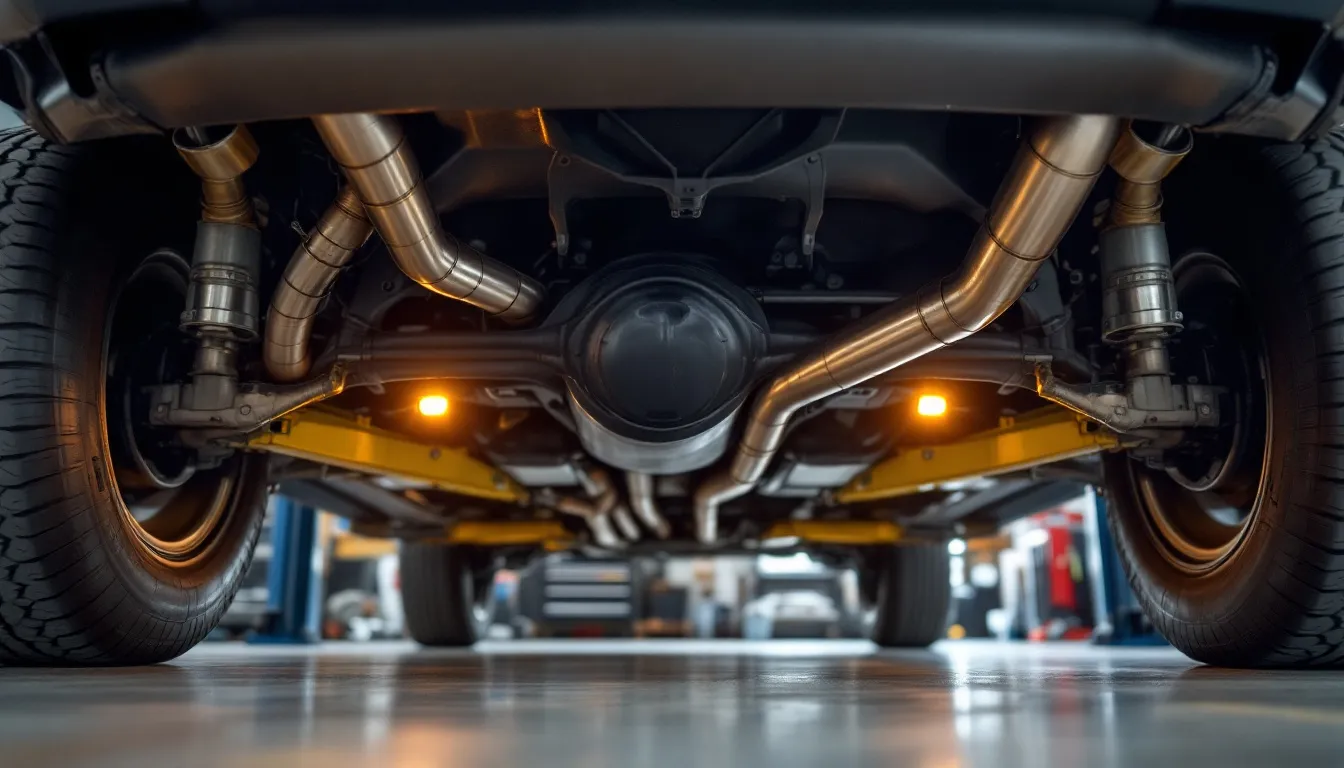
Best Exhaust System for Jeep Wrangler JK
What Is the Best Exhaust System for a Jeep Wrangler JK?
An exhaust system for the Jeep Wrangler JK is the full network of pipes, flanges, catalytic converters, and mufflers that routes combustion gases from the engine headers out through the tailpipe. The best exhaust system for a Jeep Wrangler JK, for most owners, is a stainless steel cat-back system — it delivers the best balance of sound improvement, modest performance gains, and straightforward DIY installation without touching the catalytic converter.
That said, the right choice depends on your goals, budget, and model year. A 2007–2011 JK with the 3.8L V6 has different fitment requirements than a 2012–2018 JK running the 3.6L Pentastar. And a 2-door JK needs a shorter rear section than a 4-door JKU.
The picks and guidance here are drawn from real-world JK community knowledge — the kind of information you find in forum threads, owner reviews, and years of collective wrenching, not just manufacturer spec sheets. That research philosophy shapes everything on this page. For a deep-dive into specific product picks, see our best cat-back exhaust for Jeep JK comparison, or start with the JK Buyers Guide if you’re still sorting out your build priorities.
Axle-Back vs Cat-Back vs Header-Back: Which Exhaust Type Is Right for Your JK?

2.5 Inch Automotive Exhaust Clamp, Stainless Steel Butt Joint Bolts Band Flanges Clamp Assembly, Universal
Check Price on Amazon →The three exhaust system types differ in scope, cost, and reward — and choosing the wrong one means spending money on parts that don’t move the needle for your actual goals. Here’s a clear breakdown across all 2007–2018 JK and JKU model years.
Axle-Back Systems
- Replace only the section of exhaust behind the rear axle (muffler and tip)
- Easiest to install — typically two clamps and a hanger swap
- Lowest cost entry point
- Sound improvement is noticeable but modest
- Works on both 2-door JK and 4-door JKU (confirm rear pipe diameter — usually 2.5”)
- No meaningful performance gains; purely a tone and aesthetics upgrade
Cat-Back Systems
- Replace everything from the catalytic converter outlet to the tip
- Includes mid-pipe, resonator (on some designs), muffler, and tip
- Most popular upgrade category in the JK community
- JKU owners need to confirm the system is built for the longer wheelbase — a 2-door JK pipe won’t reach the rear of a JKU without modification
- Community consensus puts typical gains in the modest range for naturally aspirated JK engines; the real payoff is sound and reduced backpressure
- Mid-range install difficulty; most owners with basic tools can do it in an afternoon
Header-Back Systems
- Replace the entire exhaust from the exhaust manifold/headers outward
- Maximum scope — includes aftermarket headers, full mid-pipe, cat (or catless), and muffler
- Best potential for performance gains, especially on 2012–2018 3.6L Pentastar engines
- Most expensive and most complex to install; often requires professional help
- Emissions compliance must be verified for your state — catless configurations may fail inspection
The single most important takeaway: for 90% of JK owners, a stainless steel cat-back system hits the sweet spot between sound, performance, price, and install simplicity. If you want more detail on specific cat-back options, the complete cat-back exhaust system comparison for Jeep JK breaks down verified picks side by side.
What to Look for When Buying an Exhaust System for Your JK
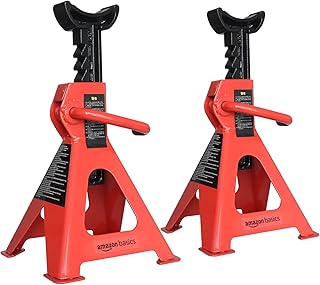
Amazon Basics Steel Jack Auto Stands, 3 Ton (2.7 metric Ton) Capacity, Easy to Use, Adjustable Height
Check Price on Amazon →Buying the right exhaust system for your JK comes down to five core criteria. Get these right and you’ll avoid the frustration of returns, fitment gaps, and disappointing sound.
The most critical spec: stainless steel construction paired with the correct pipe diameter (typically 2.5” for stock-displacement JK engines). Mild steel systems cost less upfront but corrode significantly faster, especially if you wheel in mud or live in a salt-belt state.
Here’s what to evaluate before buying:
- Material: 409 stainless is the baseline for rust resistance. 304 stainless is premium — more corrosion-resistant and typically better polished. Aluminized steel is the budget option; expect surface rust within a few years.
- Pipe diameter: Most JK applications run 2.5” tubing. A quality stainless steel exhaust clamp ensures secure connections at this standard diameter.
- Fitment — 2-door JK vs 4-door JKU: The JKU has a significantly longer wheelbase. Systems labeled simply “JK” may not list JKU fitment separately — check the manufacturer’s compatibility chart explicitly. Using the wrong system length forces improvised joins that can leak.
- 2007–2011 vs 2012–2018 fitment: The 3.8L and 3.6L engines have different header and mid-pipe configurations. A system designed for the 3.6L Pentastar will not bolt onto a 3.8L without adapter work.
- Muffler design: Straight-through or perforated-core mufflers are louder; chambered mufflers are more subdued. Community consensus is that straight-through designs deliver the aggressive JK tone most owners are after, while chambered designs keep it highway-livable.
- Warranty: Reputable manufacturers offer at least a limited lifetime warranty on stainless systems. Short warranties on budget systems are a red flag.
- Trim compatibility: If you’re running a Rubicon with its specific underbody armor or skid plate arrangement, confirm clearance. See our Rubicon vs Sport vs Sahara trim comparison for trim-specific hardware notes.
Get new guides by email
One email when we publish something worth reading. Unsubscribe anytime.
JK Exhaust System Quick-Pick Comparison
If you want a fast side-by-side reference before reading deeper, this table covers the three main exhaust system types for the 2007–2018 Jeep Wrangler JK and JKU.
| System Type | Best For | Material | Approx. Price Range | Install Difficulty | Sound Level |
|---|---|---|---|---|---|
| Cat-Back (Stainless) (Best Overall) | Most JK owners — sound + modest performance | 304/409 Stainless | $300–$700 | Moderate (DIY-friendly) | Medium–Loud |
| Axle-Back | Budget sound upgrade, tone only | Varies | $150–$350 | Easy (beginner-friendly) | Mild–Medium |
| Header-Back | Max performance, full build | 304 Stainless | $700–$1,500+ | Hard (pro recommended) | Loud–Very Loud |
Note on product listings: No verified exhaust system ASINs were available in our product database at time of writing. Rather than recommend specific brands without confirmed availability, we’ve linked to our dedicated comparison article where verified picks are maintained and updated. Head to our verified cat-back exhaust picks with ASINs for current product recommendations with pricing and purchase links.
Tools and Hardware You’ll Need for a DIY JK Exhaust Install
Installing a JK exhaust system yourself is absolutely achievable — but having the right tools before you start is the difference between a clean two-hour job and a frustrating half-day under the truck. Here’s what you need.
A brief note drawn from community knowledge around 4-door JKU builds: on a 2014 JKU, the rear exhaust routing is considerably longer than on a 2-door JK, which means you’re working with more pipe sections and more connection points. Having the right clamp size — and enough of them — matters more on a JKU than on the shorter 2-door. That’s the kind of detail you only learn after spending time with real JK owners, which is exactly the spirit behind the [Finding My 2014 Wrangler JKU] story that shapes how we think about JKU-specific fitment here.
Tool List:
- Jack stands (minimum 3-ton capacity)
- Torque wrench (1/2” drive recommended)
- Ratchet set with extensions
- Penetrating oil (apply to old exhaust hangers and bolts the night before)
- Exhaust hanger removal pliers
- Wire brush for cleaning flange faces
- Safety glasses and gloves
Inline hardware you’ll want on hand:
- A 2.5” stainless exhaust clamp for secure butt-joint connections at the standard JK diameter.
2.5 Inch Automotive Exhaust Clamp, Stainless Steel Butt Joint Bolts Band Flanges Clamp Assembly, Universal
Check Price on Amazon →- Permatex Ultra Copper RTV seals flange connections where gaskets alone might not seat perfectly, especially on older JK exhausts with worn flanges.
- Heat reflective tape for protecting nearby wiring or fuel lines after the install handles up to 400°F and is worth running along any section that routes near brake lines.
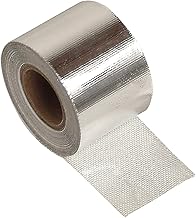
Design Engineering Cool-Tape | Self-Adhesive Heat Reflective Tape - High Temp (up to 400F) | 1.5" x 15'
Check Price on Amazon →Numbered Install Steps (general — always consult your specific system’s instructions for torque specs):
- Apply penetrating oil to all exhaust bolts and hangers the evening before your install.
- Safely lift and support the JK on jack stands at the recommended lift points.
Amazon Basics Steel Jack Auto Stands, 3 Ton (2.7 metric Ton) Capacity, Easy to Use, Adjustable Height
Check Price on Amazon →- Remove the old exhaust sections from rear to front, starting with the muffler hanger and working forward.
- Clean all flange faces with a wire brush before fitting new components.
- Test-fit the new system before final tightening — confirm hanger alignment, especially on JKU with longer rear routing.
- Apply Permatex to any flange joints per the manufacturer’s recommendation.
- Torque all bolts to the specification in your system’s instructions (consult your system’s instructions for exact figures — do not guess).
- Start the engine and check for leaks at every joint before lowering the vehicle.
A quality torque wrench makes step 7 reliable rather than guesswork — invest in a precise tool that matches your JK’s exhaust bolt specifications.
For more on supporting hardware across other drivetrain work, see other common JK drivetrain upgrades.
JK Model-Year and Trim Fitment Notes (2007–2018)
Not all JK exhausts are interchangeable across the full 2007–2018 production run. Before purchasing, confirm which engine and body configuration you have.
3.8L V6 (2007–2011 JK): The original JK engine. Exhaust systems designed for this generation typically account for the 3.8L’s specific manifold outlet size and mid-pipe routing. Many aftermarket systems are labeled “3.8L” or “2007–2011” specifically — do not assume a 3.6L system will bolt on.
3.6L Pentastar V6 (2012–2018 JK): Jeep’s significant engine upgrade. The 3.6L has a different exhaust manifold configuration and generally responds better to aftermarket exhaust work. Most current cat-back systems on the market are designed for this generation.
2-door JK vs 4-door JKU: The JKU’s longer wheelbase means the exhaust must route further to the rear. This adds pipe length — typically a noticeable difference — and means JKU-specific systems are required. A system listed only as “JK” without JKU callout should be confirmed with the manufacturer before purchase.
Trim level notes: Rubicon models may have specific skid plate or underbody armor configurations that affect exhaust routing clearance. Sport and Sahara trims are generally more straightforward. Check the full JK model year and trim breakdown for configuration details before buying. And if you’re also planning tire upgrades alongside your exhaust work, the best 37-inch tires for Jeep JK guide covers fitment considerations that overlap with underbody clearance planning.
What Sound and Performance Gains Can You Realistically Expect?
An aftermarket exhaust won’t turn your JK into a sports car — but it will noticeably change how it sounds and feels at highway speeds. Here’s an honest read on what’s typical.
Sound: Most owners report a meaningful improvement in exhaust note with a cat-back system — deeper, more aggressive, and more satisfying under throttle. Axle-back systems deliver a milder version of this. Header-back systems are the loudest. Community consensus is that straight-through muffler designs are noticeably louder than chambered mufflers on the same system.
Performance: This is where honest expectations matter most. Most JK owners report modest seat-of-the-pants improvement rather than dramatic power gains from a cat-back alone. The 3.6L Pentastar is a relatively free-breathing engine from the factory, so reduced backpressure from a larger-diameter cat-back does help — but the gains are typically modest in a naturally aspirated, stock-displacement application. Community reports of typical gains are generally in a modest range; anyone claiming large horsepower jumps from a cat-back alone on a stock JK should be taken with skepticism.
Heat management: One thing many guides skip — after installing an aftermarket exhaust, expect more heat radiating near the muffler and mid-pipe. Running Cool-Tape on sections near brake lines or wiring is a practical precaution, not overkill.
For owners chasing real performance numbers, exhaust work pairs well with other popular JK performance upgrades like LED headlights as part of a broader exterior and functional refresh. And if you’re building out the whole truck, the best wheels for Jeep Wrangler JK guide is worth reading alongside this one.
Frequently Asked Questions: Exhaust Systems for Jeep Wrangler JK
The questions below reflect what JK owners actually ask before buying an exhaust system. Answers are drawn from community consensus and manufacturer documentation — no specific install times or dyno figures are presented as precise facts without hedging.
What is the best exhaust for a Jeep JK?
For most 2007–2018 JK owners, a stainless steel cat-back system is the best exhaust upgrade — it balances sound improvement, modest performance gains, and DIY-friendly installation. Specific verified product recommendations with current pricing are in our our verified cat-back exhaust comparison. The right pick also depends on whether you have a 2-door JK or a 4-door JKU, and whether your engine is the 3.8L (2007–2011) or the 3.6L Pentastar (2012–2018).
Will an aftermarket exhaust void my Jeep JK warranty?
Under the Magnuson-Moss Warranty Act, a dealer cannot void your warranty simply because you installed an aftermarket part — they must demonstrate that the aftermarket part caused the specific failure in question. That said, if an exhaust system causes a related issue (such as an oxygen sensor fault), warranty coverage for that component could be disputed. If your JK is still under a factory or extended warranty, it’s worth a conversation with your dealer before installing a catless or header-back system in particular.
Is an axle-back or cat-back exhaust better for a JK?
A cat-back is the better all-around choice if you want both improved sound and any chance at performance improvement. An axle-back is the better choice if budget is tight or you want only a mild tone upgrade with minimal install complexity. Neither touches the catalytic converter, so both are generally emissions-compliant. For a side-by-side breakdown, see the comparison table earlier in this article.
Do I need a tune after installing a cat-back exhaust on my JK?
Generally, no. A cat-back system does not change the air-fuel ratio significantly enough to require a tune on a stock JK engine. The ECU handles minor adjustments automatically. A tune becomes more relevant if you’re combining the exhaust with an intake, headers, or other modifications that substantially change airflow. If you’re building a more aggressive setup, community consensus is to tune after all bolt-ons are installed rather than tuning incrementally.
How long does it take to install a cat-back exhaust on a JK?
Most experienced DIYers report completing a cat-back install in roughly two to four hours on a JK with hardware in reasonable condition. Older JKs with corroded hangers or seized bolts can add significant time — applying penetrating oil the night before is genuinely useful, not just forum advice. A JKU typically takes a bit longer than a 2-door JK due to the additional pipe length. If you’re new to exhaust work, budget a full afternoon and have the right tools ready. Check out other popular JK exterior upgrades if you’re planning a weekend of upgrades around the same time.
Final Verdict: Choosing the Right Exhaust System for Your JK
The best exhaust system for your Jeep Wrangler JK depends on three things: your budget, your goals, and your willingness to wrench. Here’s a fast decision framework:
- Sound upgrade on a budget → Axle-back: Easiest install, lowest cost, modest tone improvement. Good for owners who want some growl without a big commitment.
- Best all-around upgrade → Cat-back stainless steel: This is the recommendation for most JK and JKU owners. Better sound, reduced backpressure, and a DIY-achievable install. Confirm 2-door JK vs JKU fitment and engine generation (3.8L vs 3.6L) before ordering.
- Maximum performance, full build → Header-back: Reserve this for dedicated builds where you’re already doing intake work and have access to professional installation. Verify emissions compliance for your state.
The clear recommendation for the majority of JK owners: a stainless steel cat-back system, properly spec’d for your engine and body configuration. It’s the upgrade that delivers the most noticeable real-world change for the money, and it’s achievable in a weekend.
Ready to pick a specific system? Our our full cat-back exhaust comparison for Jeep JK lists verified, currently available options with pricing and fitment details. If you’re still working through your overall build priorities, the JK Buyers Guide is a good place to map out the full picture. And for other upgrade decisions that go hand-in-hand with exhaust work, see our guide to other popular JK upgrade decisions.
Free: JK Fluids at a Glance
Every fluid, spec and capacity for the 2007-2018 Wrangler JK on one page, plus a cut-out glovebox card. Checked against the owner's manuals. From the JK Service Kit.
Email me the download and new guides when they are published. Unsubscribe anytime. Privacy Policy.
Allan
I'm Allan. I own a 2014 Jeep Wrangler JKU and I research the hell out of every mod before I touch it. When I've fitted something to my own Jeep, I say so. Everything else is researched from manufacturer specs and other owners' reports. No sponsored fluff.
Learn more about me →Free: JK Fluids at a Glance
Every fluid, spec and capacity for the 2007-2018 JK on one page, plus a glovebox card.
Email me the download and new guides when they are published. Unsubscribe anytime. Privacy Policy.
Related Articles
Jeep JK Regear vs Locker: Which Upgrade Comes First?
Ask ten JK owners which comes first — a regear or a locker — and you'll get the same answer from nine of them: regear first, locker second.

Jeep JK Towing Capacity: What Can Your Wrangler Actually Pull?
Your Jeep JK can tow more than you might think — but probably less than you want to. The factory ratings are straightforward: 2,000 lbs for the 2-door...
How to Choose Tire Size for Jeep Jk Lift Kit Compatibility
Lift kit and tire size compatibility is straightforward in concept but trips up a lot of JK owners in practice: the amount of suspension height you add...