Best Winch For Jeep Jk Unlimited
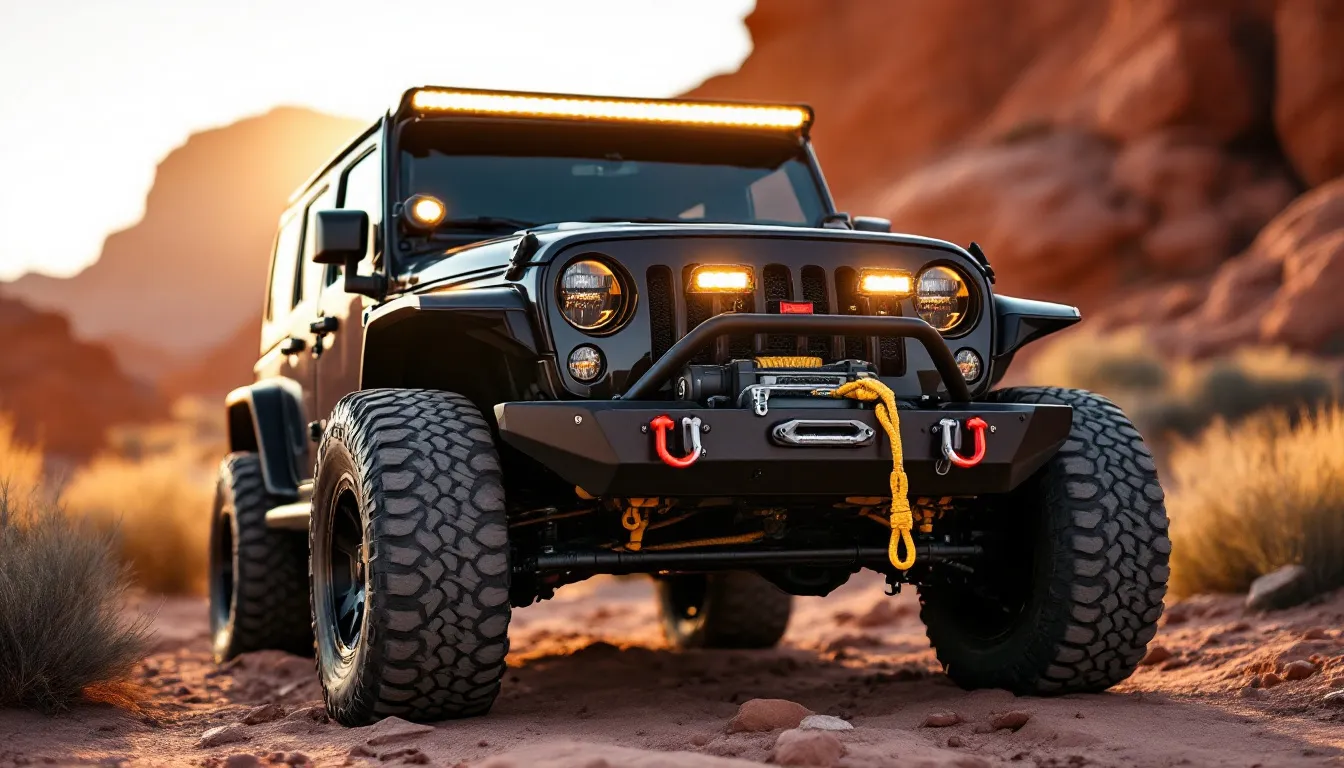
Best Winch For Jeep JK Unlimited: Complete 2024 Guide
I spent a full weekend installing my first steel front bumper and winch on my JK Unlimited — fighting corroded factory bolts, feeling the immediate weight difference in steering response, and then pulling off my first real recovery that made every bruised knuckle worth it. The best winch for jeep jk unlimited models falls in the 9,500-12,000 lb capacity range, matching the heavier curb weight of the four-door platform compared to the two-door JK. This capacity provides the essential 1.5-2x safety margin for recovery situations while accounting for modifications like bumpers, armor, and larger tires that push your JK’s weight well beyond the factory 4,200-4,500 lb curb weight. This guide breaks down capacity sizing specific to JK Unlimited weights, synthetic versus steel rope considerations, bumper compatibility requirements, essential accessories, and electrical installation requirements so you can choose the right winch for your build and recovery needs.
Why JK Unlimited Owners Need 9,500-12,000 lb Capacity
The JK Unlimited’s four-door platform weighs significantly more than the two-door JK, and that base weight only increases once you start adding modifications. Understanding your actual vehicle weight determines the minimum safe winch capacity.
JK Unlimited curb weights by trim level:
- Sport/Sport S: 4,129-4,243 lbs (2012-2018 models)
- Sahara: 4,223-4,347 lbs with typical options
- Rubicon: 4,387-4,449 lbs with factory armor and equipment
- Modified JK Unlimited with steel bumpers, sliders, 35” tires, and armor: 4,800-5,200+ lbs
The 1.5-2x capacity rule: Your winch capacity should be 1.5 to 2 times your vehicle’s loaded weight. For a modified JK Unlimited weighing 5,000 lbs, that means a minimum of 7,500 lbs (1.5x) to 10,000 lbs (2x) capacity. The higher multiplier accounts for stuck-in-mud scenarios where suction creates resistance far beyond simple vehicle weight.
Most JK Unlimited owners land in the 9,500-12,000 lb sweet spot. A 10,000 lb winch provides adequate pulling power for a moderately modified JKU without the excessive weight, cost, and amperage draw of 12,000+ lb models designed for heavier full-size trucks. If you’re running heavy armor, a full steel exoskeleton, or 37” tires, the 12,000 lb tier makes sense. Different model year weight differences exist across the 2007-2018 production run, particularly between early models and the updated 2012+ versions with increased safety equipment. Factor in your specific year, trim, and planned modifications when calculating your target capacity.
Synthetic Rope vs Steel Cable: Which Is Right for Your JK Unlimited?
This decision impacts weight, safety, maintenance, and long-term durability. Most modern winches offer both options, but the practical differences matter on the trail.
Synthetic rope advantages:
- Safer under load: If synthetic rope breaks, it falls to the ground rather than whipping back with stored energy like steel cable
- Lighter weight: 70-80% lighter than equivalent steel cable, reducing front-end weight and bumper stress
- Easier handling: Doesn’t develop sharp burrs or retain kinks, more comfortable to handle with gloved hands
- Floats in water: Critical for water crossings and recoveries near streams
Steel cable advantages:
- Abrasion resistance: Superior performance when winching over rocks, across tree bark, or through debris
- UV resistance: Doesn’t degrade from sun exposure like synthetic rope can over years
- Lower initial cost: Typically $50-100 less expensive than synthetic rope options
- Extreme heat tolerance: Handles friction heat from repeated pulls better than synthetic materials
For most JK Unlimited owners, synthetic rope is the better choice. The safety advantage alone justifies the additional cost, particularly for solo wheeling where a snapped cable has no witnesses. Synthetic rope’s lighter weight also helps offset the heavy steel bumper and winch you’re already adding to the front end. The main exception: if you frequently winch in rocky, abrasive terrain and replace rope regularly anyway, steel cable’s durability and lower replacement cost might tip the scale. Protect synthetic rope with an abrasion sleeve for rock contact points, and replace it every 3-5 years or after any significant impact damage regardless of appearance.
Winch Mounting & Front Bumper Compatibility for JK Unlimited
You cannot mount a winch to the factory plastic bumper. Period. Winch installation requires either an aftermarket steel bumper with integrated winch plate or a standalone winch plate that mounts behind the factory bumper (a temporary option that looks terrible but works mechanically).
Steel bumpers designed for JK/JKU models include winch-compatible mounting plates with the standard 10” x 4.5” bolt pattern that fits most winch brands. When selecting a bumper, verify the weight rating of the winch plate — some budget bumpers use thinner steel that flexes under heavy winch loads.
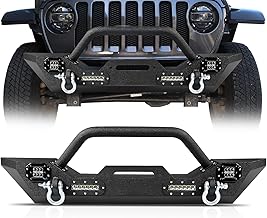
Front Bumper Fits For Jeep Wrangler JK JL 2007-2024 2025 2026 fit for Jeep Gladiator JT 2020-2024 2025 2026 Steel Offroad Bumper with LED Lights D-Rings and Winch Plate Heavy Duty
$219.79
Check Price on Amazon →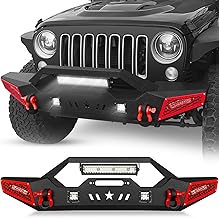
for Wrangler JK JL & Gladiator JT Front Bumper Compatible with 2007-2026 Jeep Wrangler JK JL JKU JLU Unlimited & Gladiator JT 2/4 Doors with 5 x LED Light, Winch Plate, Paintable Armor, D-rings
$268.99
Check Price on Amazon →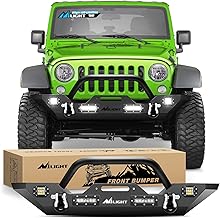
Nilight Front Bumper Compatible for 2007 2008 2009 2010 2011 2012 2013 2014 2015 2016 2017 2018 Jeep Wrangler JK/JKU Rock Crawler Winch Plate
$289.99
Check Price on Amazon →I discovered during my installation weekend that the factory frame bolts corrode significantly after years of road salt exposure, requiring penetrating oil and patience to remove without breaking. The added weight of a steel bumper and winch (combined 150-200 lbs) noticeably changes steering feel and front-end handling, particularly on highway driving. This isn’t a problem, just a characteristic you’ll adapt to — the JK’s steering was never precise to begin with. Plan for 6-8 hours of installation time if you’re doing it yourself, including bumper removal, winch plate preparation, electrical routing, and fairlead installation. Professional installation runs $300-500 in labor if you prefer to avoid the corroded bolt lottery.
The bumper’s d-ring mounts also become critical recovery points for using your winch to help others — you’ll function as the anchor point. Quality bumpers include reinforced d-ring tabs rated for the same capacity as the winch itself.
Essential Winch Accessories Every JK Unlimited Owner Needs
A winch alone doesn’t make a complete recovery system. Budget $150-$250 for these must-have accessories that expand your winch’s capabilities and keep you safe.
Critical accessories you’ll use repeatedly:
- Snatch block (pulley): Doubles pulling power by creating a 2:1 mechanical advantage, essential for heavy recoveries or uphill mud extractions where straight-line pull isn’t enough ($40-70)
- Tree saver strap: Protects trees from bark damage and provides a soft, wide anchor point that won’t slip like chains or cables ($20-35 for 8-foot length)
- Recovery gloves: Heavy leather gloves rated for cable handling, protect hands from steel cable burrs or synthetic rope friction burns ($15-30)
- D-ring shackles (2): Connect winch line to recovery points, tree savers, or other vehicles — minimum 3/4” rated for 9.5-ton working load ($25-40 per pair)
- Winch damper/blanket: Drapes over the winch line to absorb energy if line breaks under load, preventing dangerous whipping ($20-40)
- Winch controller storage bag: Protects the remote from mud and keeps accessories organized ($15-25)
Budget-friendly bundle strategy: Many manufacturers offer recovery kits that include tree saver, shackles, gloves, and storage bag for $80-120 — a better value than buying individually. Add a quality snatch block separately since the blocks included in kits often use lower-quality bearings that bind under heavy load.
Expect to spend the full $150-$250 range for quality accessories that match your winch capacity. Cheap shackles and thin tree savers create dangerous failure points that compromise your entire recovery system. These accessories also integrate with your broader essential off-road gear for your JK setup, complementing recovery boards, hi-lift jacks, and other trail tools.
Electrical Requirements & Installation for JK Unlimited Winches
Electric winches draw massive amperage — 400-500 amps at full load — requiring heavy gauge wiring and proper circuit protection. The JK’s factory electrical system can handle this load if installed correctly.
Installation sequence:
- Mount the winch to the bumper’s winch plate using grade 8 bolts, ensuring the fairlead aligns with the winch drum
- Run positive cable from the winch’s motor directly to the battery’s positive terminal using minimum 2-gauge cable (1-gauge for 12,000 lb models)
- Install inline circuit breaker rated 25-50 amps higher than winch draw, typically 150-175 amp breaker for 10,000 lb winch
- Ground negative cable to a clean chassis ground point or directly to battery negative terminal using the same gauge wire as positive
- Mount winch controller (wired or wireless receiver) in accessible location, routing control wiring away from hot exhaust components
- Secure all wiring with protective loom and zip ties, keeping cables away from sharp metal edges and moving suspension components
The JK’s 160-amp alternator (2012+ models with 3.6L) handles winch operation adequately for typical recovery pulls lasting under 60 seconds. Extended winching sessions can deplete the battery faster than the alternator recharges it, so monitor voltage and allow recovery time between pulls. Earlier 2007-2011 JKs with the 3.8L engine have 130-amp alternators that struggle more under sustained winch load.
Professional installation is a valid option if you’re not comfortable with heavy electrical work. Expect $200-300 for professional wiring installation that includes proper circuit protection, clean wire routing, and testing under load. The physical winch mounting to the bumper is straightforward mechanical work, but the electrical demands care and proper crimping tools for reliable connections.
Wireless vs Wired Remote: What Works Best on the Trail
Most modern winches offer both wireless and wired remote options, with some including both in the box. The practical differences matter when you’re standing in mud trying to manage a recovery line.
Wireless remote advantages: Operate the winch from anywhere within 50-100 feet, allowing you to stand uphill to monitor line angle on steep recoveries or position yourself away from the vehicle during self-recovery. For solo wheeling, wireless gives you the freedom to check line position without walking back to a wired remote mounted near the bumper. The waterproof design of quality wireless remotes survives mud, rain, and creek crossings.
Wired remote advantages: Never worry about dead batteries in the remote or wireless signal interference from terrain. The tethered connection provides positive feedback — you physically feel when the remote is connected. Wired remotes cost less to replace if damaged and never require battery changes.
Recommendation: wireless for solo wheeling, either option for group runs. The freedom of wireless remote operation outweighs the minimal battery maintenance (one 9V battery every 12-18 months). Keep the wired remote as a backup if your winch includes both — store it in your recovery gear bag for the inevitable day when wireless batteries die mid-recovery. Some winches offer wireless with a wired backup port on the solenoid pack, giving you redundancy for critical situations.
Winch Budget Tiers: What to Expect at Each Price Point
Winch prices range from $300 budget imports to $1,500+ premium brands. Understanding what you’re paying for helps match your investment to your actual usage pattern.
Budget tier ($300-$500): Basic waterproof housing, steel cable standard with synthetic rope upgrade available, wired remote only, basic three-year warranty. These winches work for occasional use and light recovery duty but often use lower-quality seals that leak over time and motors that overheat during extended pulls. Acceptable for the casual weekend warrior who winches 2-3 times per year.
Mid-tier ($500-$800) — recommended for most JK Unlimited owners: Fully sealed waterproof housing with IP67+ rating, synthetic rope standard or included in box, wireless remote with wired backup, limited lifetime mechanical warranty, better planetary gear materials, and improved motor cooling. This tier delivers reliable performance for regular trail use, handles multiple recovery scenarios per trip, and typically lasts 5-10 years with basic maintenance. The quality jump from budget to mid-tier is significant.
Premium tier ($900-$1,500+): Military-spec waterproofing, competition-grade components, ultra-fast line speed, advanced wireless remotes with digital displays showing load and battery voltage, lifetime warranties, and superior customer service. Unless you’re running competitive rock crawling events or professional guide services, you’re paying for capabilities beyond typical trail recovery needs.
The mid-tier $500-$800 range offers the best value for serious JK Unlimited owners who actually use their winch. Brands in this tier include Warn VR-series, Smittybilt X2O, and Superwinch Tiger Shark — proven workhorses with parts availability and dealer networks. Spending extra for wireless remote and synthetic rope makes sense; spending for competition features rarely does.
Frequently Asked Questions About Winches for JK Unlimited
What size winch do I need for a JK Unlimited?
A 9,500-12,000 lb capacity winch suits most JK Unlimited builds. The four-door JKU weighs 4,100-4,500 lbs stock, and modifications typically add 500-1,000 lbs. Using the 1.5-2x vehicle weight rule, a 10,000 lb winch provides adequate capacity for a moderately modified JKU while avoiding the excessive weight and cost of oversized models.
Can I install a winch without replacing my bumper?
Yes, using a hidden winch plate that mounts between the factory plastic bumper and the frame, but it looks awkward and provides no d-ring recovery points. Most JK owners replace the bumper when adding a winch since quality steel bumpers with integrated winch plates ($250-600) cost only slightly more than standalone hidden plates ($150-250) and deliver better approach angles, recovery points, and aesthetics.
Is synthetic rope better than steel cable?
Synthetic rope is safer, lighter, and easier to handle than steel cable, making it the better choice for most JK Unlimited owners. If synthetic rope breaks under load, it falls to the ground rather than whipping back with stored energy. The main tradeoff is lower abrasion resistance when winching over rocks and gradual UV degradation requiring replacement every 3-5 years.
Will a winch drain my Jeep’s battery?
Winches draw 400-500 amps during heavy pulls but only while actively winching. A healthy battery handles typical 30-60 second recovery pulls without problems. Extended winching sessions lasting multiple minutes can deplete the battery faster than the alternator recharges it, particularly on 2007-2011 JKs with smaller 130-amp alternators. The JK’s electrical system is generally robust, but common JK electrical issues like corroded grounds or weak batteries become more apparent under winch loads.
Do I need a wireless winch remote?
Wireless remotes aren’t required but significantly improve solo recovery situations. Operating the winch from 50+ feet away allows you to monitor line angle, check obstacles, and position yourself safely away from the vehicle during recovery. Wired remotes work fine for group recoveries where a spotter stands at the bumper, but wireless provides valuable freedom and safety for solo wheeling.
How much does professional winch installation cost?
Professional winch installation typically runs $200-300 for electrical wiring and $300-500 total if including bumper replacement. The mechanical mounting is straightforward, but proper electrical installation requires heavy-gauge cables, circuit breakers, and clean wire routing that many shops recommend outsourcing. DIY installation saves money but requires 6-8 hours and basic electrical knowledge for reliable connections.
Final Thoughts: Choosing the Right Winch for Your JK Unlimited
The best winch for jeep jk unlimited models balances capacity, features, and budget for your specific build and usage pattern. Most JKU owners land in the 9,500-12,000 lb capacity range with synthetic rope and wireless remote — a configuration that handles typical trail recovery scenarios without excessive weight or cost. Don’t forget the essential accessories like snatch blocks, tree savers, and recovery gloves that transform a basic winch into a complete recovery system.
My own build evolved from that first winch installation weekend into a broader modification plan — lift, bumpers, 35s, Raptor coating, and overland gear — where the winch became one component in a capable system rather than a standalone accessory. Consider how your winch fits into your larger JK vision using our complete JK modification guide to plan complementary upgrades that work together. Whether you’re pulling yourself up an obstacle or helping a trail buddy out of a mud hole, having the right winch installed correctly means you’re ready when recovery situations demand it.
Get the Free JK Build Planner
Complete PDF with mod checklists, gear ratios, tire sizing charts, and budget worksheets. Everything you need to plan your JK build.
No spam. Unsubscribe anytime. By subscribing, you agree to our Privacy Policy.
Allan
I'm Allan. I bought a 2014 Jeep Wrangler JKU and I research the hell out of every mod before I touch it. Everything here is tested or deeply researched on my own rig - no sponsored fluff, just honest findings.
Learn more about me →Get the JK Build Planner
Free PDF with complete build checklists, gear ratios, and tire fitment guides.
By subscribing, you agree to our Privacy Policy.
Related Articles

Jeep JK Towing Capacity: What Can Your Wrangler Actually Pull?
Disclosure: JeepJK Guide earns a commission on qualifying purchases made through links in this article, at no extra cost to you.
How to Choose Tire Size for Jeep Jk Lift Kit Compatibility
Lift kit and tire size compatibility is straightforward in concept but trips up a lot of JK owners in practice: the amount of suspension height you add...
Electric Winch vs Hydraulic Winch Jeep Jk Recovery
Affiliate Disclosure: JeepJK Guide earns a commission on qualifying purchases made through links on this page, at no extra cost to you.