Best JK Rocker Panel & Body Armor: Complete Protection Kits Ranked
Best JK Rocker Panel & Body Armor: Complete Protection Kits Ranked
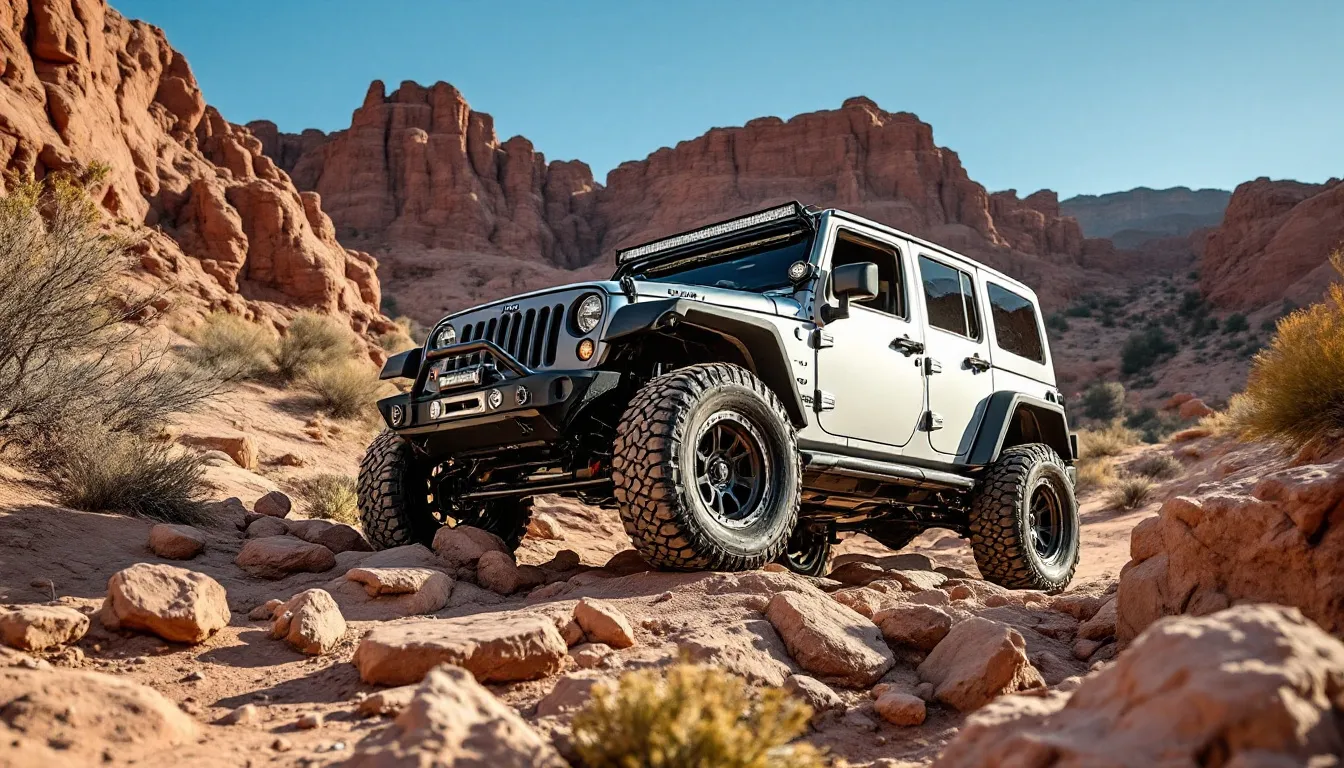
JK body armor is any aftermarket steel or aluminum protection — rocker guards, rock sliders, skid plates, or tube fenders — bolted to a 2007–2018 Jeep Wrangler JK or JKU to shield vulnerable sheet metal and undercarriage components from rock strikes, trail rash, and high-centering.
The best body armor for Jeep JK overall is the EAG Rock Sliders for 07–18 Wrangler JK 4-Door, which combines structural rock slider protection with full rocker guard coverage at a mid-range price. If budget is the priority, the Kojem Door Armor Rocker Guards deliver surprisingly capable powder-coated steel protection for under $90. Neither is flashy. Both will save you hundreds in bodywork repair bills.
Whether you’re building a weekend wheeler or daily-driving a stock-height JK through rough fire roads, the right armor stacks protection in order — rockers first, then the fuel tank, then the perimeter. This guide covers all of it.
Affiliate Disclosure: JeepJK Guide earns a commission on qualifying purchases made through links on this page. This never affects our editorial recommendations. See our full Complete JK Armor Guide for the broader protection picture, and check the rock sliders vs rocker guards comparison if you’re still sorting out which type you actually need.
Quick-Pick Summary: Best JK Body Armor at a Glance
If you need a fast answer before reading the full reviews: the four products below cover every major JK armor category — structural sliders, budget cladding, underbody protection, and perimeter tube fenders. Match the product to your use case using the table, then scroll to the full reviews for fitment details and honest pros/cons.
| Product Name | Category | Fits | Price Range | Best For |
|---|---|---|---|---|
| EAG Rock Sliders JK 4-Door | Rock Slider / Rocker Guard | 4-door JKU only | ~$250 | Daily-driven wheelers needing structural side protection |
| Kojem Door Armor Rocker Guards | Rocker Cladding / Skid Plate | 4-door JKU | ~$86 | Budget-conscious owners doing light to moderate trails |
| ECOTRIC Fuel Tank Skid Plate | Underbody Skid Plate | 2-door JK only | ~$263 | 2-door owners protecting the gas tank on rocky terrain |
| Hooke Road High Clearance Tube Fenders | Tube Fender / Perimeter Armor | 2-door & 4-door JK/JKU | ~$300 | Owners running larger tires who want fender and upper-body protection |
All four products are reviewed in full below, including direct fitment notes for the 2-door JK and the 4-door JKU. Read past the table — the price tells only half the story.
JK Body Armor & Rocker Panel Guards Reviewed
Which JK armor product is actually worth buying? The answer depends on what you’re protecting against and how far you plan to venture off pavement. A rocker guard that handles light trail scrapes is a different beast entirely from a structural rock slider that can support the vehicle’s weight. The four products here cover every honest option at their price points and fit.
1. EAG Rock Sliders — Best Overall for JKU 4-Door
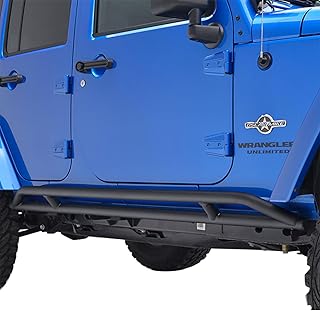
The EAG Rock Sliders are the top pick for 4-door JKU owners who want real, structural side protection — not just decorative cladding. These are tube-frame sliders that bear actual load, meaning you can high-center the Jeep on them without crumpling door sheet metal. That’s the fundamental difference between a rock slider and a rocker guard, and the EAG delivers on it.
I’ve watched owners run these on genuine rock-crawling terrain where a rocker guard would have folded like cardboard. The structural design means the frame absorbs impact energy, not the door itself. You’ll feel the difference the first time you lean hard into an obstacle.
Fitment: 2007–2018 Jeep Wrangler JK — 4-door JKU only. These do not fit the 2-door JK. Verify your build before ordering.
Material: Steel tubing with a black textured finish
Price Range: ~$249.99
Pros:
- Structural tube design actually supports vehicle weight when high-centered
- Full rocker panel coverage from front to rear door opening
- Bolt-on installation with no cutting required on most JKU builds
- Textured finish hides trail scuffs better than gloss coatings
Cons:
- 4-door fitment only — 2-door JK owners need to look elsewhere
- Adds meaningful weight to the rocker area; adds roughly 35+ pounds of unsprung mass
- Installation requires patience with corroded factory bolts on older JKs
EAG Rock Sliders Fit for 07-18 Wrangler JK 4 Door Rocker Guard Body Armor
$249.99
Check Price on Amazon →2. Kojem Door Armor Rocker Guards — Best Budget Pick for JKU
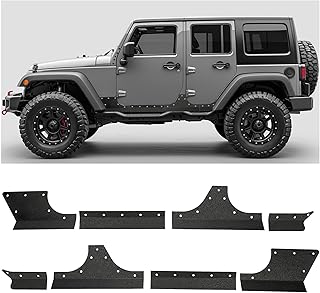
The Kojem Door Armor is the most compelling budget option on this list. At under $90, you’re getting powder-coated steel rocker cladding that mounts to the factory door hinges and sill area, protecting against rock chips, brush, and minor trail contact. This is not a structural rock slider — it will not support the vehicle if you high-center. What it will do is prevent a $500 door replacement when you drag across a rocky section you misjudged.
The powder coat holds up better than you’d expect under repeated rock contact, and the fastening points use existing factory holes, so installation is straightforward. This sits in that sweet spot where cost and protection align for owners who run moderate trails.
Fitment: 2007–2018 Jeep Wrangler JK — 4-door JKU. Check manufacturer listing for door-count compatibility before ordering.
Material: Powder-coated steel
Price Range: ~$85.99
Pros:
- Outstanding price-to-protection ratio for light to moderate trail use
- Powder coat holds up well against minor rock strikes and brush
- Straightforward bolt-on fitment using factory mounting points
- Lightweight compared to structural sliders
Cons:
- Not a structural rock slider — cannot safely support vehicle weight when high-centered
- Finish may show scuffs and wear more readily than thicker steel under repeated hard rock contact
- Cladding protects sheet metal, not your steering geometry or suspension
Kojem Door Armor Rocker Guards Compatible with 2007-2018 Jeep Wrangler JK 4 | Powder Coated Steel He
$85.99
Check Price on Amazon →3. ECOTRIC Fuel Tank Skid Plate — Best Underbody Protection for 2-Door JK
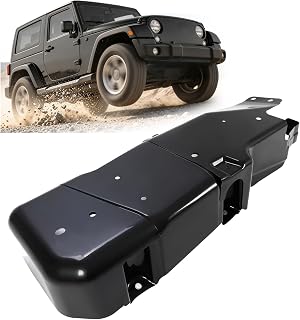
The ECOTRIC fuel tank skid plate fills a gap that rocker guards don’t even touch: the exposed gas tank sitting directly under the 2-door JK. This plate is a direct replacement for OEM part number 52059743AJ, the factory plastic guard that ships on most JKs. The factory piece fails on anything rougher than highway pavement — it cracks on moderate rock strikes and offers almost no real protection.
The ECOTRIC replaces it with heavy-duty steel, and the direct OEM match means the mounting points line up without modification. If you’re a 2-door JK owner who does any real off-pavement driving, this is one of the highest-return single upgrades you can make to underbody protection. Your fuel tank is not something you want to gamble on out in the rocks.
Fitment: 2007–2018 Jeep Wrangler JK — 2-door only. This is not compatible with the 4-door JKU. Replaces OEM part 52059743AJ.
Material: Heavy-duty steel, black finish
Price Range: ~$262.54
Pros:
- Replaces weak OEM plastic guard with genuine steel protection
- Direct OEM fitment (52059743AJ) means no drilling or modification
- Significant upgrade in fuel tank protection for 2-door wheelers at a reasonable price point
- Heavy gauge steel can actually withstand rock strikes that would rupture the plastic original
Cons:
- 2-door JK only — JKU owners need a different skid plate solution
- Fuel tank skid plate install is more involved than rocker cladding; expect to work under the vehicle
- Removes and reinstalls tank-area fasteners, so corrosion is a potential headache on older JKs
For a deeper comparison of steel versus aluminum underside options, see the steel vs aluminum skid plate comparison before you decide on material.
ECOTRIC Fuel Tank Skid Plate Compatible with 2007-2018 Jeep Wrangler JK 2-Door B
$262.54
Check Price on Amazon →4. Hooke Road High Clearance Tube Fenders — Best Perimeter Armor for Bigger Tires
The Hooke Road tube fenders represent a different category from everything else on this list. Where rocker guards and sliders protect the lower body, tube fenders replace the factory plastic fender flares with steel tube structure that extends protection up and around the wheel well. This matters most if you’re running larger tires that push factory flares to their limits or have already caught a rock in the plastic and heard that sickening crack.
The front and rear kit fits both 2-door JK and 4-door JKU, making this the most broadly compatible product here. The high-clearance design also improves approach angle compared to the factory flares — a real-world benefit on tight shelf roads where every inch counts.
Fitment: 2007–2018 Jeep Wrangler JK and JKU — fits both 2-door and 4-door. Verify trim fit before ordering.
Material: Sturdy steel tube, black finish
Price Range: ~$299.99
Pros:
- Fits both 2-door JK and 4-door JKU — the most versatile pick on this list
- Replaces vulnerable factory plastic with real steel tube construction
- Improves approach angle for better obstacle clearance
- Works well with larger tire packages where stock flares fail
Cons:
- Installation is more involved than bolt-on rocker guards; plan for a full afternoon of work
- Higher price point than the other rocker-focused options; this is a major body modification
- Requires drilling new holes on some JK trim levels
For a direct comparison of tube fender options across the market, see our guide to best JK fender flares.

Hooke Road JK High Clearance Fender Flares for 2007-2018 Jeep Wrangler JK JKU 2 or 4 Doors, Sturdy S
$299.99
Check Price on Amazon →JK Body Armor Buyer’s Guide: What to Look for Before You Buy
What actually matters when choosing JK body armor? Material, thickness, and finish matter — but fitment is the variable that kills more purchases than anything else. A rock slider built for the 4-door JKU will not bolt to a 2-door JK. Get that wrong and you’re paying return shipping on 40+ pounds of steel and frustrated about wasted money.
The recommendations in this section come from watching what holds up on real trails, not from manufacturer spec sheets. That philosophy shapes every call made here.
Material: Steel vs Aluminum
Steel is the standard for JK body armor, and there’s a reason. It deforms under load instead of cracking, can be straightened after impacts that would shatter aluminum, and welds easily for field repairs. Quality rock sliders run 3/16-inch to 1/4-inch steel. Thinner than 3/16 inch and you’re getting cladding, not structural protection.
Aluminum has its place — transfer case skid plates and fuel tank guards sometimes run aluminum alloy to save weight — but for rocker panels and sliders taking direct rock strikes, steel is the choice that won’t leave you stranded.
Finish: Powder Coat vs Raw Steel
Powder coat is the minimum you should accept. Raw steel rusts quickly in wet trail conditions, and touch-up paint on a freshly scratched slider is a losing battle. Quality powder coat bounces back from minor rock contact and holds color for years. Some sliders come with textured black powder coat specifically designed to hide trail scratches — that’s worth paying a small premium for.
Fitment: 2-Door JK vs 4-Door JKU
This cannot be overstated: 2-door JK and 4-door JKU have different rocker lengths. A slider that fits the JKU will leave gaps or won’t mount correctly on the shorter 2-door. Always confirm door count compatibility before ordering. The ECOTRIC fuel tank skid plate, for example, is explicitly 2-door only. Double-check before you add to cart.
Installation Method: Bolt-On vs Welded
Bolt-on armor is the standard for at-home installs. Most rock sliders use factory mounting points or add brackets that bolt to the frame. Welded armor is more permanent and structurally superior but requires fabrication skills and equipment most owners don’t have at home. For DIY work, bolt-on is your realistic path.
Understanding the Three Types: Rock Sliders, Rocker Cladding, and Skid Plates
These three terms get used interchangeably, but they’re not the same thing:
- Rock sliders are structural tube-frame components that bear the vehicle’s weight. You can high-center on them safely.
- Rocker cladding / rocker guards protect the sheet metal from glancing rock strikes and brush. They do not support vehicle weight.
- Skid plates protect underbody components — fuel tank, transfer case, differential — from impacts from below.
You need all three categories for complete protection. See the rock sliders vs rocker guards breakdown for a full comparison.
Layered Protection Priority Order
Build your armor stack in this order for maximum protection per dollar spent:
- First: Rocker guards / rock sliders (highest exposure on most trails)
- Second: Fuel tank skid plate (one bad rock strike can strand you)
- Third: Transfer case and differential skid plates
- Fourth: Tube fenders and perimeter armor (cosmetic and moderate protection)
- Fifth: Front bumper with bash plate (complete the armor system)
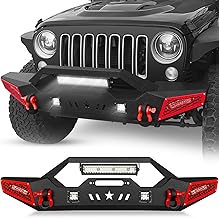
Speaking of front bumpers — a quality steel front bumper is the natural complement to side armor. The front bumper below pairs well with rocker armor for a complete protection system:
for Wrangler JK JL & Gladiator JT Front Bumper Compatible with 2007-2026 Jeep Wr
$268.99
Check Price on Amazon →Pair that bumper with solid best JK front bumpers with winch mounts research, and add best D-ring shackles for JK recovery to your recovery kit once your armor is installed.
Installing JK Rocker Armor: What to Expect on Install Day
How hard is it to install JK rocker armor yourself? For most bolt-on rocker guards and rock sliders, a confident DIYer can finish the install in two to four hours with basic hand tools — but corroded hardware on older JKs can stretch that timeline dramatically.
I’ve watched an entire armor install derail because three factory bolts seized behind the fascia and refused to cooperate. That’s when you’re reaching for the angle grinder and adding six hours to your Saturday. It happens.
Here’s what a typical rocker guard or rock slider install looks like:
- Gather your tools. You’ll need a socket set (metric and standard), torque wrench, jack stands, wire brush, and penetrating oil. A JK trail tool kit covers the basics if you’re starting from scratch.
- Lift and support the vehicle safely. Never work under a JK on a floor jack alone. Use quality jack stands or ramps rated for the weight.
- Locate and inspect the factory mounting points. Most bolt-on sliders use existing frame holes or pinch welds. Inspect for rust and debris before threading anything in.
- Treat corroded bolts before you touch them. This is where installs go sideways on any JK that’s lived in a wet climate. Apply penetrating oil generously and let it soak — ideally overnight. Snapping a corroded factory bolt inside the frame rail turns a two-hour job into an all-day extraction project. Many JK owners who’ve wrenched through a bolt extraction will tell you: the penetrating oil step is not optional.
- Test-fit before torqueing anything. Hand-thread all bolts first to confirm alignment. Forcing a misaligned bolt on a heavy steel slider damages threads and causes headaches later.
- Torque to spec and check for clearance. Confirm the slider doesn’t contact the body or tires through full suspension travel.
- Inspect after the first trail run. Check all fasteners for looseness after the first real use.
For the ECOTRIC fuel tank skid plate specifically: expect a more involved process. You’re working fully under the vehicle, removing the factory plastic guard, and managing the weight of a steel plate while aligning mounting points. Budget extra time and consider a second set of hands. This is a 2-door-only install — do not attempt it on a JKU.
Stay current on hardware torque specs and service intervals with the JK maintenance schedule.
Frequently Asked Questions: JK Body Armor & Rocker Panel Guards
JK owners asking about body armor tend to circle the same practical questions — not spec-sheet minutiae, but real decisions like “do I need this?” and “what do I buy first?” Here are the five questions that come up most in community discussions, answered plainly.
What is the difference between rock sliders and rocker guards on a Jeep JK?
Rock sliders are structural components — typically steel tube frames — that bolt to the frame and can bear the vehicle’s weight when the JK high-centers on an obstacle. Rocker guards are impact-resistant panels that protect sheet metal from glancing rock strikes and trail debris, but they do not support vehicle weight. If you’re doing anything beyond easy trails, you want sliders, not just cladding. See the full rock sliders vs rocker guards explained breakdown for the complete picture.
Do I need body armor if I only do light trails?
Even on “easy” trails, exposed rocker panels take regular hits from rocks, ruts, and brush. Factory JK sheet metal is thin and dents at relatively low impact. A set of rocker guards — even a budget option like the Kojem — provides meaningful protection for light trail use and costs far less than bodywork. It’s a low-cost insurance policy, not an extreme-wheeling-only purchase.
Will rock sliders fit both the 2-door JK and 4-door JKU?
Not always — and this is one of the most common ordering mistakes. The 2-door JK and 4-door JKU have different rocker lengths, and most sliders are built for one or the other. The EAG and Kojem products reviewed here are designed for the 4-door JKU. The Hooke Road tube fenders are the exception, fitting both configurations. Always confirm door count in the product listing before ordering.
Does JK body armor affect ground clearance?
Most bolt-on rock sliders and rocker guards sit at or slightly below the factory rocker panel, which means they don’t meaningfully change approach or departure angles. However, a slider that hangs lower than the factory pinch weld can reduce the effective ground clearance under the rockers. Quality sliders are designed to match the factory line. Check the product dimensions against your current clearance if you’re running stock or mild lift.
What should I armor first on my JK?
Start with rocker guards or rock sliders — the rockers are the most exposed and most expensive to repair if damaged. After that, prioritize the fuel tank skid plate, particularly on the 2-door JK where the factory plastic guard is genuinely inadequate on rocky terrain. See the full complete JK armor protection guide for a layered build-out plan.
Final Verdict: Building Your JK Body Armor Stack
The right JK body armor setup isn’t a single product — it’s a stack you build in order, starting with the highest-exposure points and working outward. Begin with the rockers, protect the fuel tank, then add perimeter armor as your trail use escalates.
For most 4-door JKU owners, the EAG Rock Sliders are the right foundation — structural, well-fitted, and priced at $249.99 for what you’d spend on one bodywork repair. If budget is a real constraint and your trails are moderate, the Kojem Door Armor at $85.99 is genuinely worth the money and not an embarrassing compromise.
Here’s the layered priority order to build toward:
- Layer 1: Rock sliders / rocker guards (EAG for structural; Kojem for budget)
- Layer 2: Fuel tank skid plate (ECOTRIC for 2-door JK owners)
- Layer 3: Transfer case and differential skid plates
- Layer 4: Tube fenders and perimeter armor (Hooke Road for tire clearance)
- Layer 5: Steel front bumper to complete the system
Once your side armor is sorted, the next logical upgrades are a steel front bumper and a winch. A good bumper closes the gap between side protection and front-end protection — see our best JK front bumpers with winch mounts guide for the right pairing. After that, a winch is your recovery insurance policy — the best winch for JK Unlimited guide covers the options that actually fit the JKU frame.
If you’re still in the research phase on the broader build, the JK buyer’s guide is the right place to map out your full upgrade plan before you start spending.
Get the Free JK Build Planner
Complete PDF with mod checklists, gear ratios, tire sizing charts, and budget worksheets. Everything you need to plan your JK build.
No spam. Unsubscribe anytime. By subscribing, you agree to our Privacy Policy.
Allan
I'm Allan. I bought a 2014 Jeep Wrangler JKU and I research the hell out of every mod before I touch it. Everything here is tested or deeply researched on my own rig - no sponsored fluff, just honest findings.
Learn more about me →Get the JK Build Planner
Free PDF with complete build checklists, gear ratios, and tire fitment guides.
By subscribing, you agree to our Privacy Policy.
Related Articles
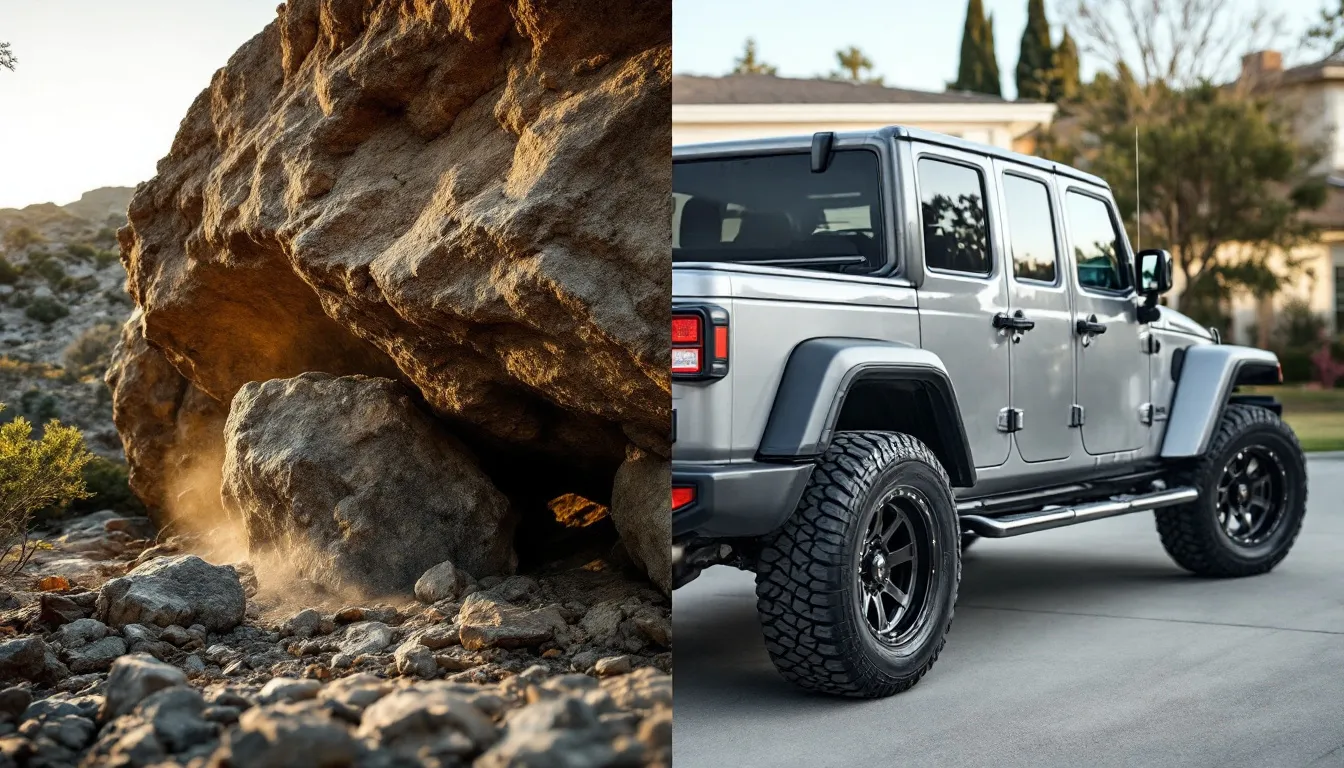
Jeep JK Rock Sliders vs Side Steps: Protection, Looks & Which One You Actually Need
Rock sliders are heavy-gauge steel (or aluminum) tubes or plates that bolt or weld to your Jeep's frame, sitting flush along the rocker panels to...
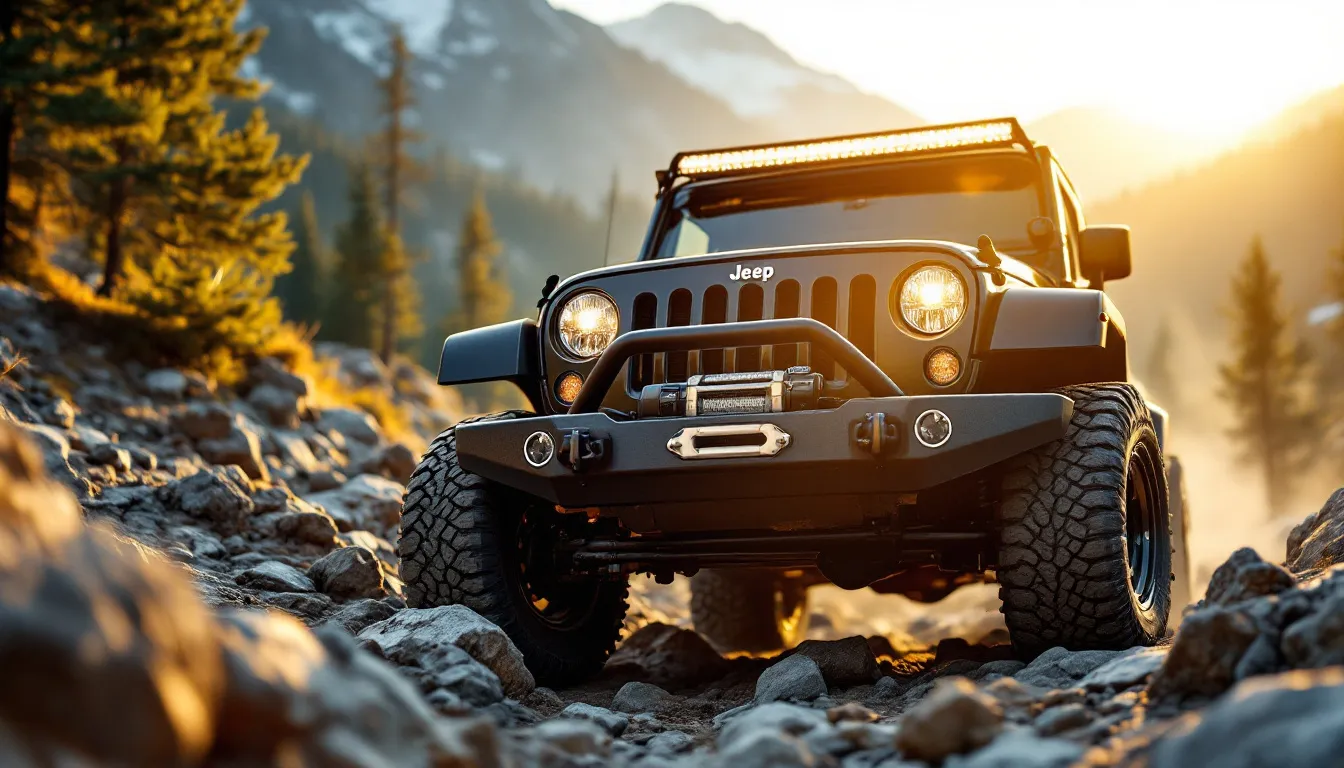
Best Jeep JK Front Bumpers with Winch Mounts: Full-Width vs Stubby Compared
A Jeep JK front bumper with winch mount is a steel or aluminum replacement for your factory plastic fascia that bolts solid protection, integrated...
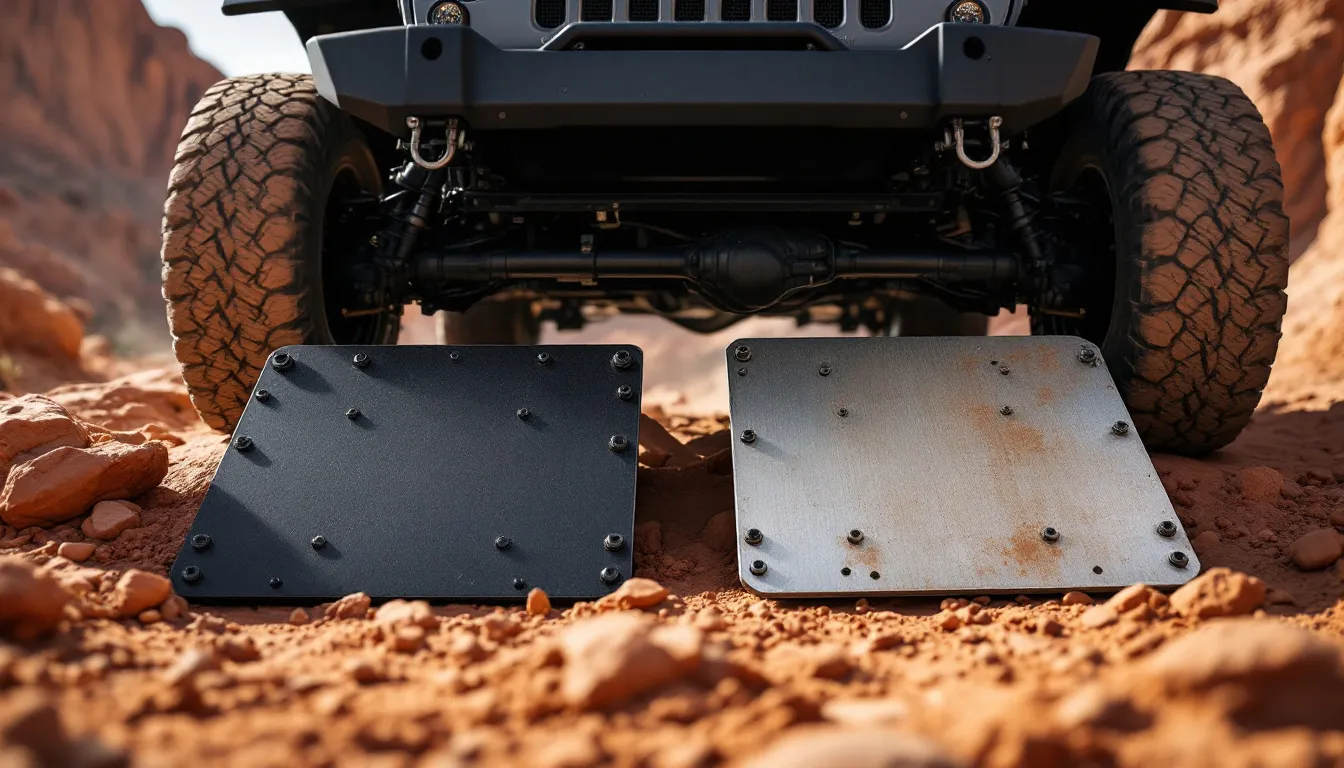
Steel vs Aluminum Skid Plate Jeep JK Rock Crawling
Affiliate Disclosure: JeepJK Guide earns a commission from qualifying Amazon purchases at no extra cost to you. We only recommend products we'd trust...