Best Jeep JK Accessories in 2026: The 15 Upgrades Every Wrangler Owner Actually Buys
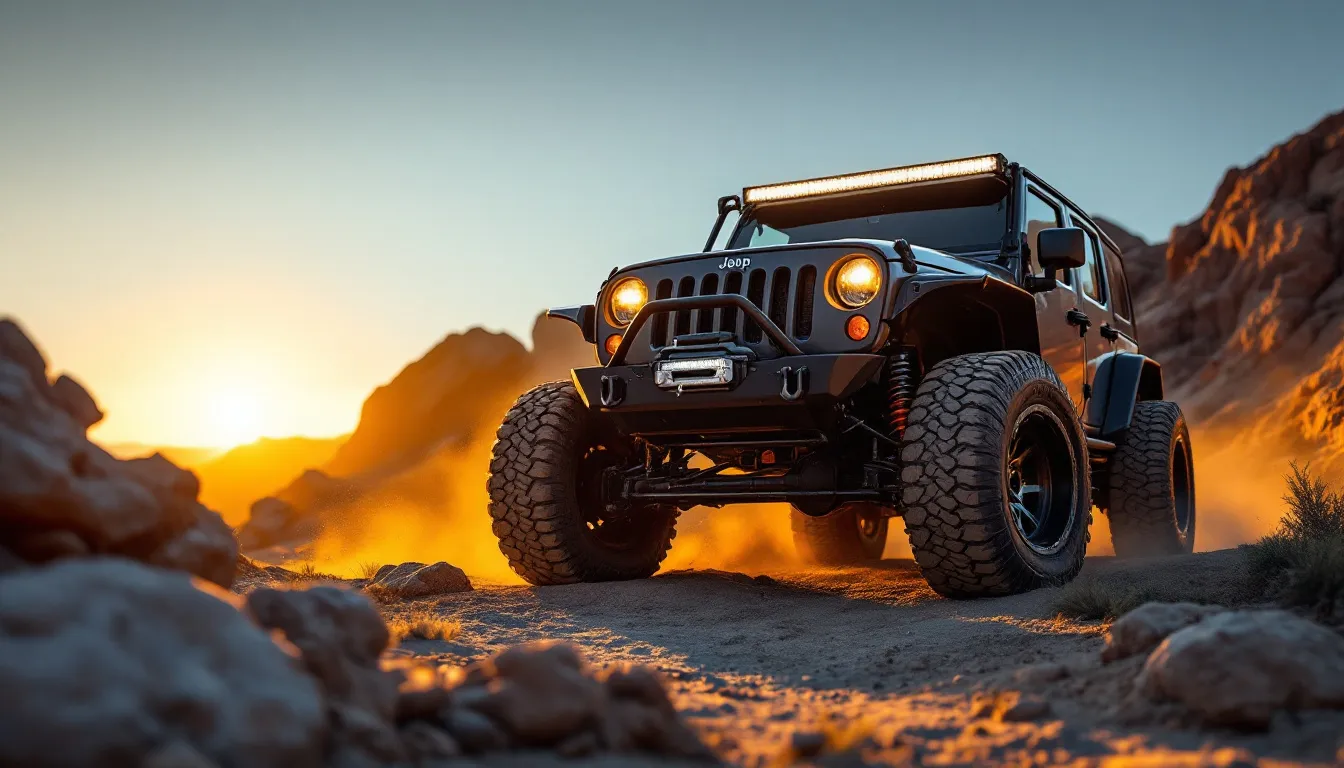
Best Jeep JK Accessories in 2026: The 15 Upgrades Every Wrangler Owner Actually Buys
The Real Starting Point: What Actually Matters
Walk into any JK forum and you’ll see the same pattern repeating. Someone buys a used 2014 JKU, gets excited about the possibilities, and immediately orders a light bar and rock lights. Six months later, they’re asking why their new 35-inch tires are destroying their fuel economy, or why their transfer case is making noise they’ve never heard before.
The Jeep Wrangler JK (2007–2018) is a brilliant platform—one that the global overlanding community has been refining for two decades. But brilliant doesn’t mean bulletproof. It means intentional. Build in the wrong sequence, and you’ll spend three times as much fixing mistakes as you would have spent getting it right the first time.
Jeep JK accessories are the aftermarket parts and upgrades that transform a stock Wrangler into a capable, protected, and genuinely useful trail machine. This guide covers the 15 categories of upgrades that JK owners actually buy—ranked by priority, not hype. Not everything on the internet is worth bolting on. Some upgrades genuinely protect your investment and capability. Others are nice to have. This guide tells you which is which.
Get new guides by email
One email when we publish something worth reading. Unsubscribe anytime.
Quick-Pick Summary: 15 JK Accessories at a Glance
Start at the top and work down. The order reflects both safety and cost-efficiency—two things that matter when you’re putting real money into a Jeep.
| # | Accessory Category | Best For | Approx. Budget | Priority |
|---|---|---|---|---|
| 1 | Front & Rear Bumpers | Trail protection, winch mount | $400–$1,200 | Must-Have |
| 2 | Skid Plates | Underbody protection on rocks | $150–$600 | Must-Have |
| 3 | Lift Kit (2–3.5 in.) | Clearance for larger tires | $350–$1,800 | Must-Have |
| 4 | Wheels & Tires (33–35 in.) | Traction, stance, capability | $900–$2,500 | Must-Have |
| 5 | Winch (8,000–10,000 lb) | Self-recovery on trails | $250–$700 | Must-Have |
| 6 | LED Light Bar / Pods | Night trail visibility | $80–$400 | High |
| 7 | Rock Sliders | Rocker panel protection | $250–$600 | High |
| 8 | Seat Covers | Interior protection, resale value | $50–$200 | High |
| 9 | Soft Top or Hard Top | Weather protection, open-air driving | $250–$1,500 | High |
| 10 | Axle & Gear Upgrades | Drivetrain match for big tires | $800–$2,500 | High (if 35s+) |
| 11 | Storage & Cargo Organizers | Trail organization, daily use | $40–$300 | Medium |
| 12 | Half Doors / Tube Doors | Open-air experience | $300–$900 | Medium |
| 13 | Rock Lights | Campsite / night rock crawl | $60–$200 | Low |
| 14 | Brake Upgrades | Stopping power with added weight | $200–$600 | Medium |
| 15 | Maintenance Kit (fluids, filters) | Reliability, longevity | $100–$300/yr | Ongoing |
The five Must-Have entries address capability and protection first. Everything else layers in comfort, style, and specialized function.
Exterior Protection: Bumpers, Skid Plates & Rock Sliders
The single most important exterior upgrade for a trail-driven JK is front bumper replacement. The factory plastic unit isn’t designed to absorb a rock strike at speed. Once you’ve driven one JK with a quality steel bumper and seen how it handles terrain that would crater the OEM plastic, you understand why this upgrade comes first.
A steel bumper adds a winch mount, improves your approach angle, and protects the grille and radiator from the kind of damage that turns a trail day into a recovery scenario. Pair it with a rear bumper, full skid plate coverage, and rock sliders, and you’ve built a genuine protection system.
Front Bumpers: Full-Width vs. Stubby
Full-width steel bumpers deliver maximum protection and a stable platform for winch mounting. They’re heavier—usually 80–120 lbs—and they’ll contact wider obstacles. But the trade-off is genuine lateral protection and a wider load distribution when you’re pushing through rocky terrain.
Stubby bumpers improve your approach angle and save weight, which matters if you’re running a bigger engine or need to keep suspension travel uncompromised. The catch: less side protection and a narrower contact point that can snag on rocks.
For a detailed breakdown of both styles and which one suits your build, see front bumpers with winch mounts: full-width vs stubby compared.
Skid Plates: The Foundation of Underbody Protection
The JK’s factory skid plate coverage is minimal on non-Rubicon trims—the transfer case and fuel tank sit exposed to rocks. A full skid plate kit covering the oil pan, transmission, and transfer case becomes essential before any genuinely rocky trail use.
Material choice matters here. Steel offers maximum protection but adds weight. Aluminum protects adequately while saving several pounds. See steel vs aluminum skid plate for JK rock crawling for the real-world trade-off analysis.
JKU vs. 2-door fitment note: JKU (4-door) skid plate kits are longer to cover the extended wheelbase. Always confirm the listing specifies JKU if that’s your platform—many budget kits are cut for the 2-door only and will leave your rear transfer case exposed.
Rock Sliders: Protection Where Rubbing Happens
Rock sliders bolt to the frame (not the body) and take the hit when a rocker panel would otherwise contact a boulder. Many JK owners report that a single rock strike at trail speed can fold an unprotected rocker panel beyond repair—a $1,500+ body shop bill for something that would have been absorbed by a $300 slider.
Quality sliders rated for tube-step use run $250–$600 and are one of the best dollar-for-dollar investments on any trail build.
Lift Kits & Suspension Upgrades: How Much Height Do You Actually Need?
Most 2007–2018 JK owners need a 2–3.5-inch lift to run 33–35-inch tires without rubbing during full suspension articulation, improve approach and departure angles, and correct the factory rake. Going beyond 3.5 inches adds exponential complexity and cost without proportional benefit for most builds.
Lift Tier Breakdown
Tier 1: 1.5–2 inches (budget leveling/spacer lift, $50–$350)
Cheap, bolt-on, no geometry changes. You can fit 33s on most JKs without issues. The downside: you’re not improving the suspension itself, just adding height. If your factory shocks are worn—and on a used JK, they probably are—this tier doesn’t address that weakness.
Tier 2: 2.5–3.5 inches (coil/spring lift, $350–$1,000) — the sweet spot
This is where most JK owners land, and for good reason. It fits 33–35-inch tires cleanly, delivers meaningful articulation improvement, and corrects geometry with quality upper control arms. Component availability is excellent. Many JK owners report this height is the “Goldilocks zone”—enough clearance to feel genuinely improved, but not so much that you’re fighting geometry or spending an extra $2,000 on adjustable arms.
Tier 3: 4–6 inches (long-arm or hybrid lift, $1,000–$3,500+)
Maximum clearance for 37-inch tires and serious rock crawling. The cost is genuinely high, and the install complexity jumps significantly. You’ll likely need a supplemental SYE (slip yoke eliminator) and CV driveshaft upgrades. This tier is for purpose-built trail rigs or competition crawlers.
2007–2011 vs. 2012–2018 compatibility note: The pre-2012 JK used a different front track bar bracket design than the 2012+ refresh. Some lift kits specify model-year ranges—always verify before ordering. The JK community consensus is that 2012–2018 suspension geometry responds better to the most popular 2.5-inch coil spring kits, while 2007–2011 owners sometimes need an additional track bar relocation bracket for optimal results.
After lifting, both adjustable control arms for JK lift kits and wheel backspacing and offset after a JK lift become critical reading—they directly affect how the suspension behaves at height and whether you’ll experience rubbing or accelerated ball joint wear.
Wheels & Tires: The Upgrade That Changes Everything
No single accessory transforms your JK’s trail performance and everyday feel quite like wheels and tires. The accepted starting point for a lifted JK is 33-inch tires on a 2.5-inch lift, with 35-inch tires requiring at least a 3.5-inch lift and a regear to maintain drivability.
Tire Size Quick Reference
- 31 inches: Stock-adjacent, fits 2-inch lift, no regear needed
- 33 inches: Standard build, fits 2.5-inch lift, regear recommended (4.56 gears) for best performance
- 35 inches: Popular trail size, requires 3.5-inch lift minimum, regear to 4.88 or 5.13 strongly recommended
- 37 inches+: Full build territory, 4–6-inch lift, regear to 5.13 minimum, axle upgrade likely needed
Mud Terrain (MT) vs. All Terrain (AT)
Mud terrain tires are aggressive, excellent in mud and rock, loud on pavement, and they wear faster. Best for weekend trail rigs that see mostly off-road use.
All terrain tires are quieter, longer-wearing, and capable on light to moderate trails. Best for daily drivers that see occasional trail use.
JK owners commonly run a 285/70R17 (roughly 33 inches) or 315/70R17 (roughly 35 inches) on 17-inch beadlock-capable wheels. For deep-dive tire comparisons, see best mud terrain tires for JK Wrangler.
Before buying wheels, read JK wheel backspacing and offset guide—incorrect backspacing on a lifted JK causes rubbing, premature ball joint wear, and handling problems. And if you’re considering beadlock wheels, true beadlock vs beadlock-style wheels for JK explains the legal and functional differences.
LED Lighting: Light Bars, Pod Lights & Rock Lights
LED upgrades are among the most cost-effective JK mods available. A quality 50-inch light bar delivers dramatically more trail visibility than the factory headlights at a fraction of what other capability upgrades cost. The improvement is immediately noticeable the first time you drive dark trail at night.
Lighting Category Breakdown
Light bars (20–50 inch, roof or bumper mount)
Best for long-range trail illumination and camp lighting. Mount options include roof racks, windshield hinges, and front bumpers. Budget $80–$400 depending on brand and length.
Pod lights (2–4 inch round or square)
Targeted side illumination, often paired with a light bar for full forward coverage. Budget $40–$150 per pair.
Rock lights (underbody, wheel wells)
Low-speed crawling visibility and campsite atmosphere. Budget $60–$200 for a full kit.
⚠️ 2007–2011 TIPM Warning: The 2007–2011 JK uses a Totally Integrated Power Module (TIPM) that’s sensitive to electrical load spikes. Many JK owners report TIPM issues when high-draw accessories are wired directly to the factory fuse box without proper relay and fuse setup. Always run a dedicated relay and fuse harness for any light bar install, but especially on pre-2012 JKs. The 2012–2018 TIPM is more robust but still benefits from isolated wiring.
LED lighting requires minimal modifications on the JK—most mounts use existing bolt holes or simple clamp systems—making it one of the easiest upgrades to install in a driveway.
Winches & Recovery Gear: Get Yourself Unstuck
A winch rated at 9,000–10,000 lbs is the right size for a stock or lightly modified JK. The JK weighs between 3,900 and 4,500 lbs depending on trim and accessories. The standard calculation is roughly 1.5x vehicle weight for winch capacity, which leaves headroom for stuck-in-mud scenarios where resistance multiplies significantly.
A winch alone isn’t a complete recovery setup. You need the full kit:
- Kinetic recovery rope (not a tow strap)—stretches under load to build momentum and “snap” a vehicle free; far more effective than static straps for self-recovery
- Static tow strap—for flat-surface towing only, not for stuck-vehicle extraction
- D-ring shackles (at least 2)—rated to match or exceed your winch capacity
- Snatch block—doubles pulling power or redirects the line around obstacles
- Tree saver strap—protects bark and distributes load; required on trails with anchor restrictions
- Heavy gloves—steel winch cable frays; synthetic rope is safer but gloves are essential either way
- Winch damper / line dampener—reduces cable whip if the line breaks under tension
Synthetic rope is widely preferred in the JK community—it’s lighter, safer when it snaps, and easier to handle cold. Steel cable costs less upfront and handles heat better from heavy repeated use.
For a detailed winch comparison including mounting notes for the JKU’s longer bumper span, see best winch for Jeep JK Unlimited.
Interior Accessories: Seat Covers, Storage & Daily Comfort
The best interior accessories protect resale value, keep the cabin organized on trail days, and make a decade-old Wrangler feel purpose-built again. Seat covers are the single highest-impact interior purchase—they protect against mud, gear abrasion, and UV fade that visibly degrade factory upholstery.
Seat Cover Material Comparison
Neoprene is water-resistant, offers a snug fit, handles wet and muddy entry well, though it can feel warm in summer.
Canvas/ballistic nylon delivers maximum durability, best for heavy daily use, though it’s less form-fitting.
MOLLE tactical fabric adds rear-panel organization and is popular for JK owners who carry gear, tools, and first aid on trails.
Leatherette (PU) offers a clean look and easy wipe-down, though it’s less durable in extreme temperature swings.
Many JK owners report that MOLLE-equipped seat covers are particularly useful—they effectively turn the seat back into a vertical storage panel, which matters in the JK’s limited interior space.
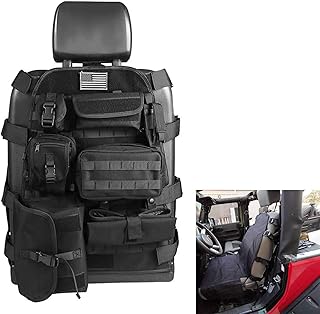
SUNPIE Black Upgrade Larger Seat Protector Tactical Seat Cover Universal Fit for Trucks Pickup SUV
Check Price on Amazon →The SUNPIE tactical seat cover at $49.96 delivers genuine MOLLE webbing on the seat back, multiple front-facing pockets, and a universal fit confirmed for JK, JL, TJ, and JT platforms. Key specs include full-back MOLLE panel, multi-pocket front face, and compatibility across Wrangler generations—making it practical if you’re also running a JL or plan to resell the covers. Many JK owners report the fit is snug on factory JK buckets without bunching, though trimming the seat base section is occasionally needed for center console clearance on 2012–2018 JKUs.
Beyond seat covers, storage upgrades worth prioritizing include a rear cargo net, a lockable center console insert (the factory unit is notoriously insecure), and a tailgate storage bag that clips to the inside of the rear door.
Tops & Doors: The Mods That Define Your JK’s Character
Tops and doors define the JK ownership experience more than any other category. They’re the difference between a trail-capable daily driver and a purpose-built open-air machine. The good news: the JK’s bolt-on top and door design makes swapping between configurations straightforward.
Top Format Trade-Offs
Factory hardtop
Best NVH (noise, vibration, harshness) and weather sealing. Heavy—typically requires two people or a hoist to remove. Explore best hardtops for Jeep JK for aftermarket options with better insulation.
Soft top
Much lighter, easy solo fold-down, better open-air access. Less weather protection, more road noise, requires more frequent maintenance. See best soft tops for Jeep JK for the leading brands.
Bikini top / sun shade
Sun protection only—no rain or wind coverage. Best for warm-weather trail days and shows. Full roundup at JK bikini tops and sun shades.
For a daily-driver JK, a quality soft top is the most versatile choice. It folds down in minutes, weighs a fraction of the hardtop, and offers enough weather protection for year-round use in most climates. For a direct comparison of the two main options, JK soft top vs hard top full comparison covers the real-world trade-offs in detail.
On the door side, half doors and tube doors open up the trail experience without fully committing to topless driving. Best half doors and tube doors for JK walks through the fitment and legal considerations by state.
Drivetrain & Axle Upgrades: When Stock Axles Aren’t Enough
The stock Dana 30 front and Dana 44 rear on non-Rubicon JKs are capable on moderate trails, but they become the limiting factor once you’re running 35-inch tires and pushing into serious rock crawling. The JK community has documented axle shaft and U-joint failure patterns that consistently appear when big tires are combined with aggressive wheeling and stock gearing.
Upgrade Path Sequence
- Regear first—before tires, before axles. Stock 3.73 gears with 35-inch tires lug the engine, overheat the transmission, and kill fuel economy. Target 4.56 gears for 33s, 4.88 for 35s
- Upgrade front axle shafts (the Dana 30 weakness on non-Rubicons)—chromoly aftermarket shafts are a direct upgrade
- Add a limited-slip differential or locker—an ARB air locker or Detroit Locker rear delivers genuine traction gain over the open diff
- Full axle swap (Dana 44 front, Dana 60 rear)—only necessary for 37-inch+ tires and repeated extreme-duty trail use
Rubicon vs. non-Rubicon difference: The Rubicon comes factory with Dana 44 front and rear axles and Tru-Lok electric lockers. Non-Rubicon owners need to budget accordingly—axle upgrades that are free on the Rubicon add $1,500–$4,000 to a Sport or Sahara build.
Gear ratio numbers to know: 3.73 (stock on many trims), 4.10 (modest improvement for 33s), 4.56 (solid choice for 33–35s), 4.88 or 5.13 (35–37-inch tire territory).
For exhaust upgrades that complement drivetrain improvements, see best axle-back exhaust for Jeep JK.
Maintenance Upgrades: Keep Your JK Running Strong
Maintenance upgrades are the unsexy category that protects every dollar you’ve spent on everything else. A neglected JK with $5,000 in suspension and tires is a tow bill waiting to happen. Frame maintenance spending as value protection—it costs less than one tow to handle proactively.
Top Three Prevention Upgrades
Extended oil change tracking and synthetic oil switch
The 3.6L Pentastar (2012–2018) and 3.8L (2007–2011) both benefit from full synthetic oil, especially with added heat load from lifted builds and heavier tires. Review JK oil change interval guide for 3.6L and 3.8L before setting your service schedule.
Brake upgrade for added vehicle weight
Larger tires, bumpers, and armor add meaningful unsprung and overall weight. The factory brake system wasn’t sized for a 4,800-lb trail-armored JKU. See the JK brake upgrade guide for the most cost-effective improvements.
Model-year-specific problem prevention
Some JK issues are predictable by build year—death wobble, TIPM failure, ball joint wear, and transfer case noise all have documented patterns. JK common problems by year lets you get ahead of the issues specific to your build year.
Maintenance upgrades consistently deliver the best ROI of any parts category. Fixing a preventable failure costs three to ten times more than preventing it.
How to Choose JK Accessories: A Practical Buyer’s Framework
Choosing the right upgrades depends on three things: how you actually use the JK, what trim and year you’re starting with, and how much you want to spend before the build feels complete.
One universal rule from the JK community: regear before running big tires. Skipping this step costs significantly more to fix than the regear itself.
Three Build Profiles
Profile 1: The Daily Driver (mostly street, occasional dirt)
Priority: Lift (2 inches), 33-inch all terrain tires, seat covers, soft top. Budget: $1,500–$3,500. Skip: Lockers, long-arm lift, rock lights.
Profile 2: The Weekend Warrior (regular trail use, moderate difficulty)
Priority: 2.5–3.5-inch lift, 33–35-inch MT tires, full bumper set, skid plates, winch, regear. Budget: $5,000–$12,000 all in. Skip: Full axle swap (unless Rubicon hardware is already there).
Profile 3: The Full Build (serious rock crawling, competitions, remote expeditions)
Priority: Long-arm lift, 37-inch tires, 5.13 regear, axle upgrade, locker front and rear, full armor package. Budget: $15,000–$30,000+. Skip: Nothing in the protection category.
Budget Bracket Quick Reference
| Tier | Budget | What to Focus On |
|---|---|---|
| Entry | Under $1,500 | Lift, tires, seat covers, basic armor |
| Mid | $3,000–$8,000 | Full bumper set, winch, regear, quality suspension |
| Full build | $10,000+ | Axle upgrades, lockers, long-arm, complete armor |
If you’re still evaluating which JK to buy before modding, the best year JK to buy guide and the JK 2-door vs 4-door Unlimited comparison are essential reading before you commit a build budget.
Frequently Asked Questions: Jeep JK Accessories
What are the most popular Jeep JK accessories?
The most popular accessories, based on consistent aftermarket demand, are steel front bumpers with winch mounts, 2.5–3.5-inch lift kits, 33–35-inch all terrain or mud terrain tires, LED light bars, and seat covers. Winches and full skid plate kits round out the top purchases. These categories address the JK’s biggest stock limitations: bumper fragility, limited clearance, and minimal underbody protection.
What size lift kit does a Jeep JK need for 35-inch tires?
A minimum 3.5-inch lift is required to run 35-inch tires without rubbing during full suspension articulation. A 2.5-inch lift can fit 35s with wheel spacers and trimming, but it’s a compromise. At 3.5 inches, you’ll also want to address control arm geometry—adjustable upper control arms prevent the caster angle issues that cause death wobble at highway speed.
Are Jeep JK accessories compatible with the JL?
Most JK accessories are not compatible with the JL Wrangler. The JK (2007–2018) and JL (2018–present) are different generations with different body mounting points, bumper receiver locations, top attachment systems, and door hinge geometry. Soft tops, hardtops, bumpers, and fender flares are all generation-specific. Always verify the listing explicitly states JK compatibility—“Wrangler” alone is insufficient.
What is the best first mod for a Jeep Wrangler JK?
If you’re planning to run larger tires, the best first mod is a 2.5–3.5-inch lift kit—it unlocks tire clearance and improves ground clearance simultaneously. If you’re keeping stock tire size, a full skid plate kit is the most protective single purchase. Many JK owners also rate seat covers highly as a first mod because the payback (interior protection, resale value) is immediate and the cost is low.
How much does it cost to fully build out a Jeep JK?
A complete trail-ready build—lift, 35-inch tires, steel bumpers, skid plates, winch, regear, and interior upgrades—typically runs $8,000–$15,000 on top of the vehicle purchase price. A full competition-grade build with axle swaps, lockers, long-arm suspension, and complete armor can reach $20,000–$30,000. Entry-level builds (lift, tires, basic protection) are achievable for $3,000–$5,000 if purchased strategically over time.
What maintenance matters most on a modified JK?
Synthetic oil changes, brake upgrades to match added weight, and coolant system maintenance on the 3.6L Pentastar all matter more on a modified JK than on stock. The added load from lift kits, heavier tires, and armor creates heat and mechanical stress in places the factory system wasn’t designed to handle.
Build Your JK the Right Way: Final Takeaways
The right sequence for building a 2007–2018 Jeep Wrangler JK is straightforward: protect it first, increase its capability second, and refine comfort third. Skipping steps—adding big tires without a regear, or bypassing skid plates to buy rock lights—is the most common money-wasting pattern in JK ownership.
Start with protection (bumpers, skid plates, rock sliders), add the lift and tires as a paired upgrade with a regear if you’re going to 35 inches, then layer in the winch, lighting, and interior gear. Maintenance is not optional—it’s the infrastructure that keeps every other upgrade working.
If you’re still evaluating which JK to start with, the Complete JK Buyer’s Guide covers what to look for on a used purchase. Once you own one, JK Common Problems by Year tells you exactly what to watch for based on your model year.
Build smart, buy in the right order, and your JK will outlast and outperform nearly anything on the trail at any price point.
Free: JK Fluids at a Glance
Every fluid, spec and capacity for the 2007-2018 Wrangler JK on one page, plus a cut-out glovebox card. Checked against the owner's manuals. From the JK Service Kit.
Email me the download and new guides when they are published. Unsubscribe anytime. Privacy Policy.
Allan
I'm Allan. I own a 2014 Jeep Wrangler JKU and I research the hell out of every mod before I touch it. When I've fitted something to my own Jeep, I say so. Everything else is researched from manufacturer specs and other owners' reports. No sponsored fluff.
Learn more about me →Free: JK Fluids at a Glance
Every fluid, spec and capacity for the 2007-2018 JK on one page, plus a glovebox card.
Email me the download and new guides when they are published. Unsubscribe anytime. Privacy Policy.
Related Articles
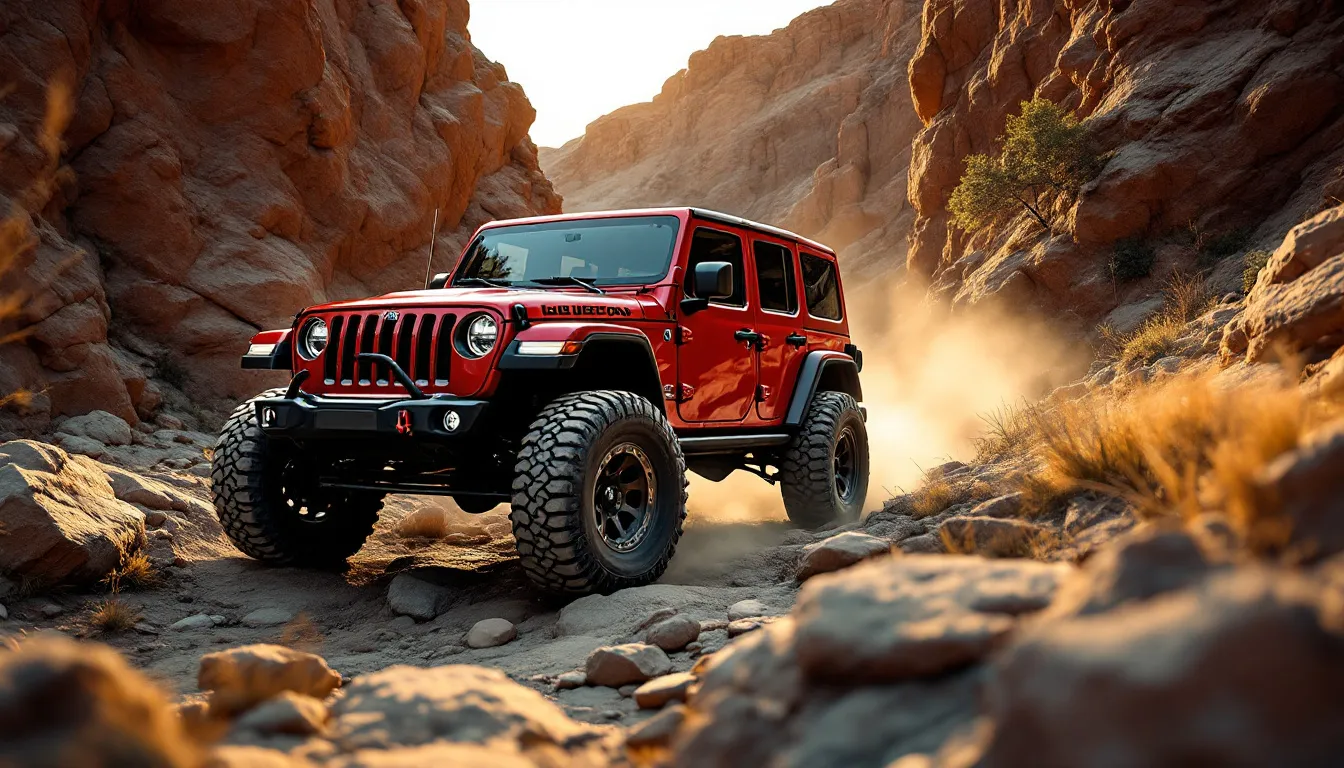
Jeep JK Rubicon Off-Road Capability: What the Factory Locker & Rock-Trac Package Actually Does
The Jeep Wrangler JK Rubicon is the factory-built, trail-ready variant of the 2007–2018 Wrangler. What separates it from every other JK trim is four...
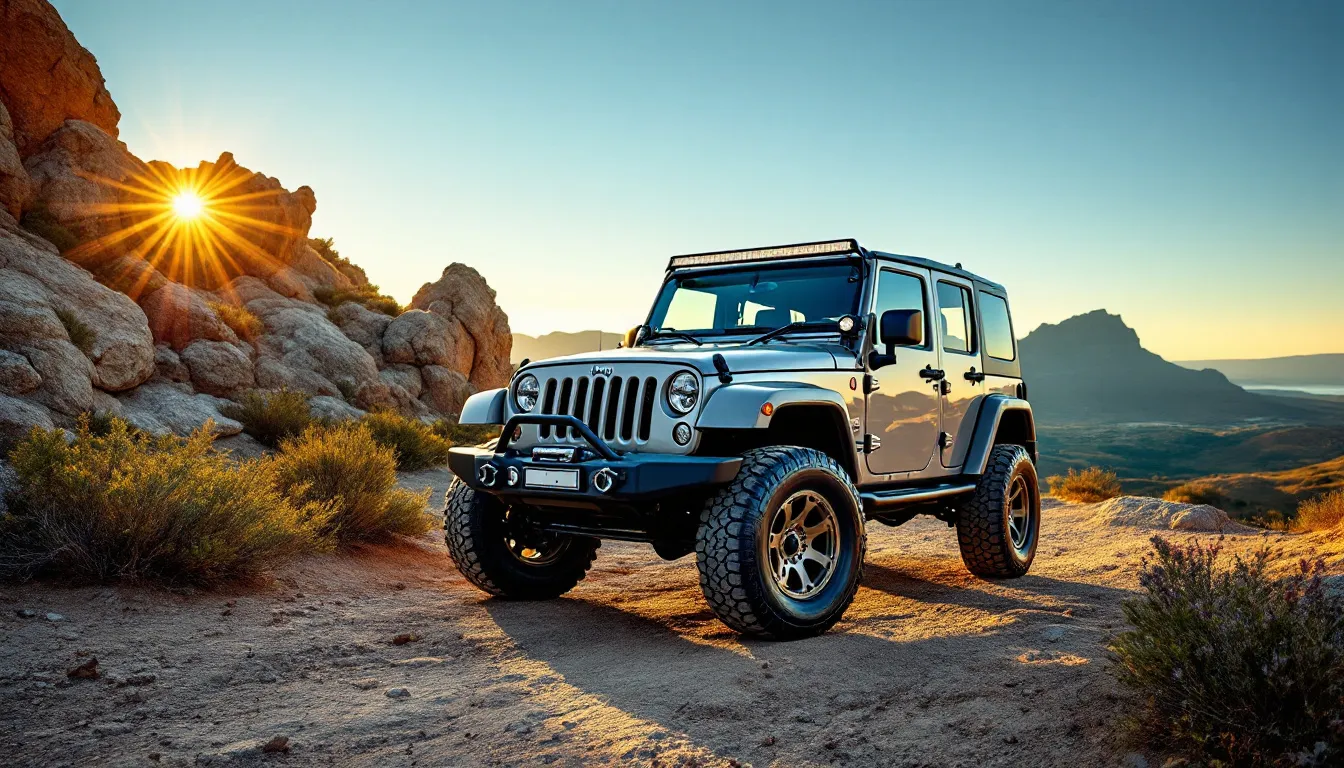
Best Jeep JK Mods for Every Budget: From $50 Bolt-Ons to Full Builds
Jeep JK mods are aftermarket upgrades — from bolt-on accessories to full mechanical builds — that improve the capability, comfort, protection, or...
Jeep JK Towing Capacity: What Your Wrangler Can Actually Pull (2007–2018)
Jeep Wrangler towing capacity is straightforward on paper: 2,000 lb for 2007–2011 models with the 3.8L V6, and 3,500 lb for 2012–2018 models with the...