Best Cold Air Intake for Jeep JK: Performance Gains & Sound Upgrades
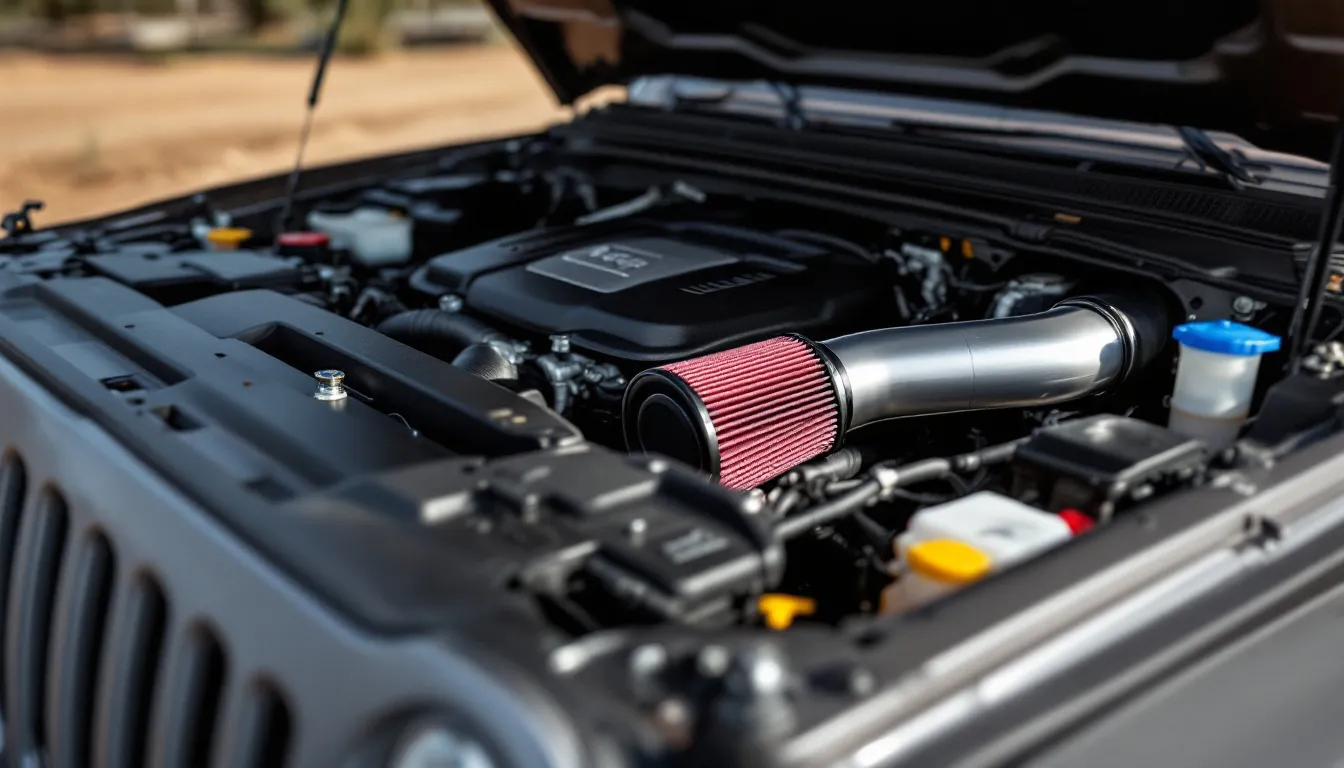
This article contains affiliate links. We may earn a commission at no extra cost to you.
Best Cold Air Intake for Jeep JK: Performance Gains & Sound Upgrades
You’re looking for the best cold air intake for Jeep JK Wranglers, but you’re smart enough to be skeptical of the “20+ HP gains!” claims plastered across manufacturer websites. Here’s the truth: a quality cold air intake will add 5-15 horsepower to your 3.6L Pentastar, improve throttle response noticeably, and give your JK a more aggressive engine note. Those are real benefits worth the investment—just not the fantasy numbers some companies advertise.
I’ve spent hundreds of hours researching JK upgrades, and here’s my philosophy: I trust real-world feedback from the Jeep community over spec sheets written by marketing departments. When owners across forums consistently report the same experiences—slightly better throttle response, a satisfying growl under acceleration, straightforward installation—that’s data I value. When a manufacturer claims 25 HP gains without dyno proof, that’s noise I filter out.
For 2012-2018 JK model years equipped with the 3.6L Pentastar, two cold air intakes stand out from the crowded field: the NextGen system delivers premium performance with a high-flow cotton filter design at $417, while Rough Country’s offering provides 70-80% of that performance at just $129. Both are bolt-on upgrades you can install in under two hours with basic hand tools.
This guide covers everything you need to know: realistic performance expectations, detailed product reviews, installation difficulty, sound comparisons, and the critical buying factors that matter for JK owners. Let’s cut through the marketing hype and find the right cold air intake for your Wrangler.
Quick Picks: Best Cold Air Intakes for Jeep JK at a Glance
Need a fast decision? Here’s the shorthand version:
Best Overall — NextGen Cold Air Intake System (50-1566)
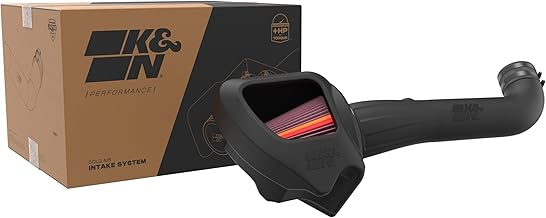
NextGen Cold Air Intake System: High-Flow Cotton Filter: Compatible with 2012-2018 JEEP: Wrangler, Wrangler JK, 50-1566
$417.68
Check Price on AmazonPremium construction with high-flow cotton filter, estimated 8-12 HP gains, and superior fitment. At $417, it’s the top choice for JK owners who want maximum performance and don’t mind the higher initial cost. Ideal buyer: enthusiasts planning multiple performance mods who value quality components.
Best Value — Rough Country Cold Air Intake (10550A)
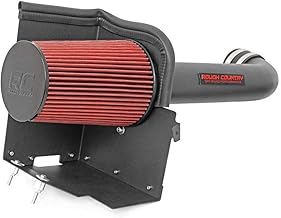
Rough Country Cold Air Intake for 2012-2018 Jeep Wrangler JK | 3.6L - 10550A
$129.95
Check Price on AmazonExceptional value at $129 with dry filter technology, estimated 5-8 HP gains, and foolproof installation. Delivers noticeable improvement in throttle response without the premium price tag. Ideal buyer: budget-conscious JK owners making their first engine modification or those who daily drive in dusty conditions and prefer low-maintenance dry filters.
Both options are specifically engineered for 2012-2018 Jeep Wrangler JK models with the 3.6L Pentastar engine. Neither requires a tune, both install with basic hand tools, and both deliver that aggressive intake sound JK owners love.
Best Overall: NextGen Cold Air Intake System (50-1566)

NextGen Cold Air Intake System: High-Flow Cotton Filter: Compatible with 2012-2018 JEEP: Wrangler, Wrangler JK, 50-1566
$417.68
Check Price on Amazon →The NextGen cold air intake earns its “Best Overall” title through a combination of engineering quality, real-world performance, and compatibility precision that competitors struggle to match. You’re paying $417 for a system that replaces your restrictive factory airbox with a free-flowing design that actually delivers cooler air to your 3.6L Pentastar—not just marketing promises.
The core advantage lies in NextGen’s high-flow cotton filter element. Unlike cheaper paper filters, this washable, reusable design captures contaminants while maximizing airflow. You’ll feel the difference immediately in improved throttle response, especially in the 2000-4000 RPM range where the Pentastar spends most of its time during daily driving and moderate trail use. Expect realistic gains of 8-12 horsepower at the wheels—not the exaggerated claims you’ll see elsewhere, but a noticeable improvement you’ll actually experience when merging onto highways or climbing steep grades.
The heat shield design deserves specific mention. Many cold air intakes position the filter element where it draws warm air from the engine bay, defeating the entire purpose of “cold” air. NextGen’s enclosed airbox design with integrated heat shield pulls cooler air from outside the engine compartment, maintaining lower intake temperatures that translate to denser air and better combustion efficiency. This matters most during summer wheeling or stop-and-go traffic when under-hood temperatures soar.
Installation on JK Wranglers takes about 90 minutes for first-timers, 45 minutes if you’re comfortable with basic bolt-on mods. The kit includes all necessary hardware, and the instructions are JK-specific—no generic “universal fit” nonsense. You’ll disconnect the factory intake tube, remove the airbox, install the heat shield, mount the new intake tube, connect the MAF sensor, and secure the filter element. No cutting, no permanent modifications. Everything reverses to stock in minutes if you need to for warranty service or resale.
Pros:
- High-flow cotton filter maximizes airflow while maintaining filtration
- Enclosed heat shield design delivers genuinely cooler intake air
- Noticeable throttle response improvement in daily driving
- Premium build quality with durable components
- Washable, reusable filter saves money long-term
Cons:
- Higher upfront cost at $417
- Oiled filter requires periodic cleaning and re-oiling
- Slight learning curve for first-time filter maintenance
This is the cold air intake for JK owners who view their Wrangler as a long-term investment and want the best performance upgrade available. If you’re building a capable rig with multiple planned modifications, the NextGen system provides the quality foundation your engine deserves.
Best Value: Rough Country Cold Air Intake (10550A)

Rough Country Cold Air Intake for 2012-2018 Jeep Wrangler JK | 3.6L - 10550A
$129.95
Check Price on Amazon →At $129, Rough Country’s cold air intake delivers performance that punches well above its price point. This is the system for JK owners who want noticeable improvements in throttle response and engine sound without committing to a $400+ investment. You’re getting 70-80% of premium intake performance at roughly 30% of the cost—that’s exceptional value in the JK modification world.
The standout feature is Rough Country’s dry filter technology. Unlike oiled cotton filters that require periodic cleaning and re-oiling, this synthetic media filter uses advanced materials that capture contaminants without oil. You simply knock off loose dust every few thousand miles or spray it with compressed air during oil changes. For JK owners who run dusty trails regularly—and let’s be honest, that’s most of us—the maintenance advantage is significant. No messy oil, no careful drying process, no worrying about over-oiling and potentially fouling your MAF sensor.
Performance gains are realistic and honest: expect 5-8 horsepower improvements at the wheels. That’s not going to transform your JK into a sports car, but you will notice crisper throttle response when accelerating from stops and better midrange pull during highway passing. The more valuable benefit is actually the improved engine breathing at lower RPMs, which makes the Pentastar feel more responsive during the kind of driving you do most—daily commuting and moderate trail work.
The installation process is genuinely foolproof. Rough Country designed this system for JK owners who’ve never touched their engine bay before. Every bracket is pre-positioned, every connection point is marked, and the instructions include actual photos of JK engine bays—not generic line drawings. You’ll spend 30-45 minutes on installation with basic hand tools. The tube routing is intuitive, the heat shield mounts securely, and the filter element installs with a simple clamp system. This is the rare modification where you’re unlikely to need YouTube help.
Sound improvement is noticeable and satisfying. You get that aggressive intake growl under acceleration that makes driving more engaging, but it’s not obnoxious at highway cruise speeds. The dry filter design actually produces a slightly more pronounced intake note compared to oiled filters, which some owners prefer.
Pros:
- Exceptional price-to-performance ratio at $129
- Low-maintenance dry filter technology
- Simple installation process for beginners
- Noticeable throttle response improvement
- Aggressive intake sound under acceleration
- No risk of over-oiling and MAF sensor issues
Cons:
- Slightly lower maximum airflow vs. premium cotton filters
- Less aggressive styling than higher-priced options
- Smaller performance gains (5-8 HP vs. 8-12 HP)
This is the smart choice for budget-conscious JK owners, daily drivers who rack up serious miles, and anyone making their first engine modification. You get real performance improvements, better engine sound, and bragging rights—all for less than the cost of a quality floor jack.
Cold Air Intake Comparison: Specs & Features Side-by-Side
Here’s how these two cold air intakes stack up across the factors that matter most for JK owners:
| Feature | NextGen 50-1566 | Rough Country 10550A |
|---|---|---|
| Price | $417.68 | $129.95 |
| Filter Type | High-flow cotton (oiled) | Dry synthetic media |
| Estimated HP Gains | 8-12 HP | 5-8 HP |
| Installation Time | 60-90 minutes | 30-45 minutes |
| Heat Shield Design | Enclosed airbox with heat shield | Semi-enclosed with heat shield |
| Maintenance | Clean and re-oil every 25-50K miles | Knock off dust every 10-15K miles |
| Filter Lifespan | 100K+ miles with proper care | 75K+ miles typical |
| Sound Improvement | Moderate aggressive tone | Noticeably aggressive tone |
| Ideal For | Performance enthusiasts, multi-mod builds | Budget builds, dusty conditions, beginners |
The decision framework is straightforward: choose NextGen if you’re planning multiple performance modifications (exhaust, tune, throttle controller) and want maximum gains from each component. The superior airflow of the cotton filter complements other upgrades, and the premium build quality matches the investment level of a serious build.
Choose Rough Country if this is your first or only engine modification, you daily drive your JK in dusty conditions, or you simply want better throttle response and sound without premium pricing. You’re getting 70-80% of the performance improvement at 30% of the cost—that’s hard math to argue with.
Both systems are reversible, both maintain proper air filtration, and both deliver noticeable improvements over the restrictive factory airbox. There’s no wrong choice here—just different optimization points for budget and performance goals.
How Much Power Will a Cold Air Intake Actually Add to Your JK?
Let’s address the elephant in the room: a cold air intake will add 5-15 horsepower to your 3.6L Pentastar JK. That’s the honest answer based on real dyno testing and owner feedback, not the inflated numbers you’ll see in marketing materials. Some manufacturers claim 20-25 HP gains, but those figures come from perfect conditions with multiple other modifications already in place.
The science behind the gains is simple. Your engine is an air pump—the more efficiently it can breathe, the better it performs. Factory airboxes prioritize noise reduction and cost savings over maximum airflow. They use restrictive paper filters and convoluted intake tubes with sharp bends that disrupt airflow. A cold air intake removes those restrictions with a free-flowing filter element and smooth, mandrel-bent tubing that minimizes turbulence.
The “cold air” aspect matters more than many people realize. For every 10°F reduction in intake air temperature, you gain roughly 1% more power. Cooler air is denser, meaning more oxygen molecules enter the combustion chamber with each intake stroke. Factory airboxes often draw warm air from the engine bay where temperatures easily exceed 150°F during summer driving. Quality cold air intakes position the filter element to draw cooler outside air, dropping intake temperatures by 20-40°F under typical conditions.
Here’s what you’ll actually feel in daily driving: improved throttle response is the most noticeable benefit. Your JK will feel more eager off the line, less sluggish when merging onto highways, and more willing to climb steep grades without downshifting as frequently. The raw horsepower numbers don’t tell the whole story—the improved breathing makes the power delivery feel smoother across the entire RPM range.
Sound is the other immediately noticeable change. You’ll hear that aggressive intake growl under acceleration that makes driving more engaging. Some owners report this is worth the modification cost alone, even without performance gains.
The fuel economy question deserves a reality check: don’t expect significant MPG improvements. Some owners report 0.5-1 MPG gains on highway cruising, but that’s within normal measurement variation. The slight improvement in combustion efficiency is typically offset by your right foot pressing the throttle more to hear that intake sound. If fuel economy is your primary goal, different JK trim levels offer better efficiency differences than intake modifications.
Cold air intakes deliver their best results when combined with other breathing modifications—exhaust systems, throttle controllers, and professional tuning. Each component optimizes airflow at a different stage of the combustion cycle, creating synergistic gains that exceed individual modifications. But as a standalone upgrade, the realistic expectation is 5-15 HP, noticeably better throttle response, and an aggressive intake note that transforms the driving experience.
Installation Difficulty: What to Expect When Installing a JK Cold Air Intake
Installing a cold air intake on your JK Wrangler ranks among the easiest engine modifications you can tackle. Plan for 30-90 minutes depending on your mechanical experience, and you’ll need only basic hand tools—no specialty equipment required. This is genuinely a beginner-friendly modification that delivers professional-level results.
Here’s the general installation process:
- Disconnect the battery negative terminal to prevent electrical issues while handling the MAF sensor
- Remove the factory air intake system by loosening hose clamps and unbolting the airbox from its mounting points
- Disconnect the MAF sensor wiring and remove the sensor from the factory intake tube
- Install the heat shield and new intake tube using the provided brackets and hardware
- Transfer the MAF sensor to the new intake tube, ensuring proper orientation and seal
- Mount and secure the filter element with the provided clamp system
- Reconnect all electrical connections and the battery, then start the engine to check for proper operation
Required tools:
- Socket set (8mm, 10mm most common)
- Phillips and flathead screwdrivers
- Ratchet with 6-inch extension
- Needle-nose pliers for hose clamps
- Torque wrench (optional but recommended for MAF sensor)
JK-specific installation tips that the generic instructions won’t mention: The 2-door JK’s engine bay is notably tighter than the 4-door JKU, making filter access slightly more challenging. You’ll have better access from the passenger side of the engine bay for most steps. The MAF sensor seal is critical—ensure the rubber grommet seats completely in the intake tube to prevent false lean codes. Use a small amount of dielectric grease on the MAF sensor connector to ensure weatherproof connection and prevent corrosion.
The factory airbox has three mounting points on JK Wranglers. The rear bolt often requires a 6-inch extension to reach comfortably. Don’t force anything—if a bolt feels stuck, spray with penetrating lubricant and wait 10 minutes rather than risk stripping threads in the plastic airbox that you might want to reinstall later.
This is a completely reversible modification. Keep your factory airbox and intake components in storage. You can return to stock configuration in 20 minutes if needed for warranty service, emissions testing, or vehicle resale. Unlike cutting fender flares or drilling for light bar mounts, this modification leaves zero permanent marks on your JK.
The reassuring truth: cold air intake installation has lower risk of complications than many other JK modifications. You’re not dealing with suspension geometry, electrical system modifications, or drivetrain components. The worst-case scenario is needing to readjust hose clamps or reposition the intake tube for optimal fitment—minor issues that take minutes to correct.
Sound Upgrade: How Much Louder Will Your JK’s Engine Be?
The sound transformation is one of the most satisfying aspects of installing a cold air intake, though “louder” isn’t quite the right description. Your JK’s engine note becomes noticeably more aggressive and mechanical-sounding, with a deeper intake growl that enhances the driving experience without crossing into obnoxious territory.
Here’s what you’ll actually hear: Under normal acceleration, the intake produces a satisfying whoosh as air rushes through the less-restrictive filter and tube system. It’s most prominent between 2500-4500 RPM where the Pentastar spends most of its time during spirited driving. At highway cruise speeds around 70 MPH, the sound is barely noticeable—just a subtle reminder that your JK has been enhanced. During hard acceleration or climbing steep grades when you’re pushing higher RPMs, the intake note intensifies to an aggressive growl that makes you grin.
The sound character differs noticeably between oiled cotton and dry synthetic filters. Dry filters like Rough Country’s system tend to produce a slightly sharper, more pronounced intake note. Oiled cotton filters like NextGen’s design create a deeper, more mellow tone. Both are satisfying, just with different acoustic personalities.
Inside the cabin with the doors and windows up, you’ll hear the intake working without it overwhelming conversation or music. With the doors off during summer driving—the way JKs are meant to be driven—the intake sound becomes a constant companion that enhances the open-air experience. It’s automotive character that modern vehicles too often engineer away.
Sound preference is deeply personal. Some owners install cold air intakes primarily for the acoustic upgrade and consider the performance gains a bonus. Others find any increase in engine noise annoying during long highway drives. If you’ve enjoyed the sound of other modified vehicles, you’ll appreciate a cold air intake. If you prefer library-quiet cabins, this modification might not suit your preferences.
The synergy with exhaust modifications creates an even more dramatic transformation. Pair a cold air intake with a performance exhaust system, and your 3.6L Pentastar develops a legitimate performance vehicle soundtrack—intake growl on acceleration, exhaust rumble on deceleration. It’s not V8 muscle car thunder, but it’s far more engaging than the muted factory sound.
Cold Air Intake Buying Guide: Key Factors for JK Owners
Choosing the right cold air intake for your JK requires understanding several key factors beyond just price and claimed horsepower gains. Here’s what actually matters:
Filter Type: Oiled vs. Dry
Oiled cotton filters offer maximum airflow and filtration efficiency, capturing microscopic particles while allowing unrestricted air passage. They require periodic cleaning (every 25-50K miles) and re-oiling with specialized filter oil. The maintenance isn’t difficult, but it does require attention. Dry synthetic filters sacrifice 5-10% maximum airflow but require zero maintenance beyond knocking off loose dust. For JK owners who regularly run dusty trails or simply prefer low-maintenance upgrades, dry filters are the smarter choice.
3.6L vs. 3.8L Engine Compatibility
This is critical and frequently overlooked. The 2007-2011 JK models used the 3.8L V6 engine, while 2012-2018 models switched to the 3.6L Pentastar V6. These engines have completely different intake manifold designs and MAF sensor locations. A cold air intake designed for the 3.6L will NOT fit the 3.8L and vice versa. Always verify which engine your JK has before ordering. Check your VIN or reference JK model year differences to confirm compatibility.
Enclosed vs. Open Filter Design
Enclosed airbox designs with heat shields deliver genuinely cooler intake air by isolating the filter element from engine bay heat. Open filter designs maximize airflow but often draw warm air from around the engine, negating the “cold air” benefit. For JK Wranglers with tight engine bays and significant under-hood heat buildup, enclosed designs with proper heat shields provide better real-world performance.
CARB Compliance and Legal Considerations
If you live in California or another state that follows California emission standards, verify that your chosen cold air intake has a CARB Executive Order (EO) number. CARB-compliant intakes have been tested and approved for emissions compliance. Non-compliant intakes can result in failed smog inspections and potential fines. Most reputable manufacturers clearly state CARB compliance status in product descriptions.
Warranty Impact and Documentation
Cold air intakes are generally considered “emissions-related” modifications. Under the Magnuson-Moss Warranty Act, dealers cannot void your entire powertrain warranty simply because you installed an aftermarket intake. However, if your cold air intake causes a specific failure—for example, a poorly sealed filter element allows dirt past the MAF sensor—the dealer can deny warranty coverage for that specific repair. Keep all original parts, maintain documentation of proper installation, and consider returning to stock before warranty service visits. For detailed guidance on protecting yourself when buying a used JK with modifications, understanding warranty implications is crucial.
Maintenance Requirements and Long-Term Costs
Factor in filter maintenance costs over the life of your JK. Oiled cotton filters require $15-25 filter cleaning kits but last 100,000+ miles with proper care. Dry synthetic filters typically last 50-75K miles before replacement, with new filters costing $40-80. Over 10 years of ownership, the total maintenance cost difference is minimal—choose based on your preference for hands-on maintenance vs. simplicity.
Installation Complexity and Reversal
All quality cold air intakes for JK Wranglers are designed as bolt-on modifications requiring no cutting or permanent alterations. Verify that your chosen system includes all necessary brackets, hardware, and JK-specific instructions. The ability to return to stock configuration in under an hour provides valuable flexibility for warranty service, emissions testing, or vehicle resale.
Frequently Asked Questions About JK Cold Air Intakes
How much horsepower does a cold air intake add to a Jeep JK?
A cold air intake typically adds 5-15 horsepower to a 3.6L Pentastar JK Wrangler, with most owners experiencing gains in the 8-12 HP range. The actual improvement depends on your specific JK’s condition, altitude, and whether you combine the intake with other modifications like exhaust upgrades. The more noticeable benefit is improved throttle response throughout the RPM range, which makes the power delivery feel stronger even if dyno numbers don’t show dramatic gains.
Will a cold air intake void my Jeep warranty?
No, installing a cold air intake will not automatically void your entire Jeep warranty. Under the Magnuson-Moss Warranty Act, dealers must prove that an aftermarket part caused a specific failure before denying warranty coverage for that component. However, if your cold air intake directly causes a problem—such as allowing dirt past the filter and damaging the MAF sensor—that specific repair could be denied. Keep your factory parts, maintain documentation of proper installation, and consider returning to stock before major warranty service.
Do cold air intakes improve fuel economy?
Cold air intakes typically provide minimal fuel economy improvements, usually 0.5-1 MPG at best during steady highway cruising. The slight improvement in combustion efficiency is often offset by increased throttle use to enjoy the improved performance and aggressive intake sound. Don’t install a cold air intake expecting significant MPG gains—the real benefits are improved throttle response, better engine breathing, and enhanced sound.
What’s the difference between oiled and dry air filters?
Oiled cotton filters use multiple layers of cotton gauze treated with specialized filter oil to trap contaminants while maximizing airflow. They offer the highest filtration efficiency and airflow but require periodic cleaning and re-oiling every 25-50K miles. Dry synthetic filters use advanced synthetic media that captures particles without oil, requiring only occasional dust removal. Dry filters sacrifice 5-10% maximum airflow but offer virtually maintenance-free operation—ideal for dusty trail conditions or owners who prefer low-maintenance upgrades.
Are cold air intakes hard to install on a JK?
Cold air intakes are among the easiest JK modifications to install, typically taking 30-90 minutes with basic hand tools. The process involves removing the factory airbox, transferring the MAF sensor to the new intake tube, installing heat shields and mounting brackets, and securing the new filter element. No cutting, welding, or specialty tools are required. First-time installers should plan for 90 minutes and watch a quick YouTube tutorial for visual reference, but the process is genuinely beginner-friendly.
Do I need a tune after installing a cold air intake on my 3.6 Pentastar?
No, you do not need a tune after installing a cold air intake on a 3.6L Pentastar JK. The factory ECU will automatically adjust fuel maps and timing through its adaptive learning system to optimize for the increased airflow. You’ll experience full performance benefits within 20-30 miles of driving as the ECU recalibrates. Professional tuning becomes beneficial when you stack multiple modifications (cold air intake + exhaust + throttle controller), but it’s not required for a standalone intake upgrade. For more details on model-specific considerations, see our guide comparing JK vs JL Wrangler differences.
Final Recommendation: Which Cold Air Intake Should You Buy for Your JK?
After analyzing performance data, real-world owner feedback, and installation characteristics, the choice comes down to your budget and performance goals. Choose the NextGen Cold Air Intake System if you’re building a serious performance-oriented JK and want maximum breathing improvements that complement future modifications. At $417, you’re getting premium construction, superior airflow, and the kind of engineering quality that matches a multi-thousand-dollar build.
Choose the Rough Country Cold Air Intake if you want excellent value, low maintenance, and noticeable improvements without premium pricing. At $129, it delivers 70-80% of premium intake performance while remaining budget-friendly for JK owners making their first modification or those who daily drive in dusty conditions.
Both options are engineered specifically for 2012-2018 JK Wranglers with the 3.6L Pentastar engine, both install with basic hand tools, and both deliver the aggressive intake sound that makes driving more engaging. Neither requires tuning, both are completely reversible, and both provide noticeable improvements in throttle response over the restrictive factory airbox.
Here’s the realistic expectation you should set: a cold air intake won’t transform your JK into a high-performance sports car. You’ll gain 5-15 horsepower, enjoy better throttle response, and hear that satisfying intake growl under acceleration. Those are valuable improvements that enhance daily driving and make your JK feel more responsive, but they’re also honest improvements—not the exaggerated claims you’ll see elsewhere.
Cold air intakes are excellent first modifications because they’re reversible, affordable, and deliver immediate sensory feedback. They also pair beautifully with exhaust systems, throttle controllers, and tune packages to create a well-rounded performance upgrade path. If you’re planning multiple modifications, start here with the breathing improvements that benefit everything downstream.
Ready to upgrade? Check current prices and availability on Amazon for both cold air intakes. Both systems typically ship within 2-3 days and install over a weekend afternoon. While you’re planning your JK improvements, explore our guides on other JK upgrades to continue building your ideal Wrangler. The cold air intake is just the beginning of what makes JK ownership so rewarding.
This article contains affiliate links. If you purchase through these links, we may earn a small commission at no extra cost to you. This helps support the site and allows us to continue creating content for the Jeep JK community.
Get the Free JK Build Planner
Complete PDF with mod checklists, gear ratios, tire sizing charts, and budget worksheets. Everything you need to plan your JK build.
No spam. Unsubscribe anytime. By subscribing, you agree to our Privacy Policy.
Allan
I'm Allan. I bought a 2014 Jeep Wrangler JKU and I research the hell out of every mod before I touch it. Everything here is tested or deeply researched on my own rig - no sponsored fluff, just honest findings.
Learn more about me →Get the JK Build Planner
Free PDF with complete build checklists, gear ratios, and tire fitment guides.
By subscribing, you agree to our Privacy Policy.
Related Articles

Jeep JK Towing Capacity: What Can Your Wrangler Actually Pull?
Disclosure: JeepJK Guide earns a commission on qualifying purchases made through links in this article, at no extra cost to you.
How to Choose Tire Size for Jeep Jk Lift Kit Compatibility
Lift kit and tire size compatibility is straightforward in concept but trips up a lot of JK owners in practice: the amount of suspension height you add...
Electric Winch vs Hydraulic Winch Jeep Jk Recovery
Affiliate Disclosure: JeepJK Guide earns a commission on qualifying purchases made through links on this page, at no extra cost to you.