MagnaFlow Exhaust for Jeep JK: Which Muffler and System Actually Fits the Wrangler?
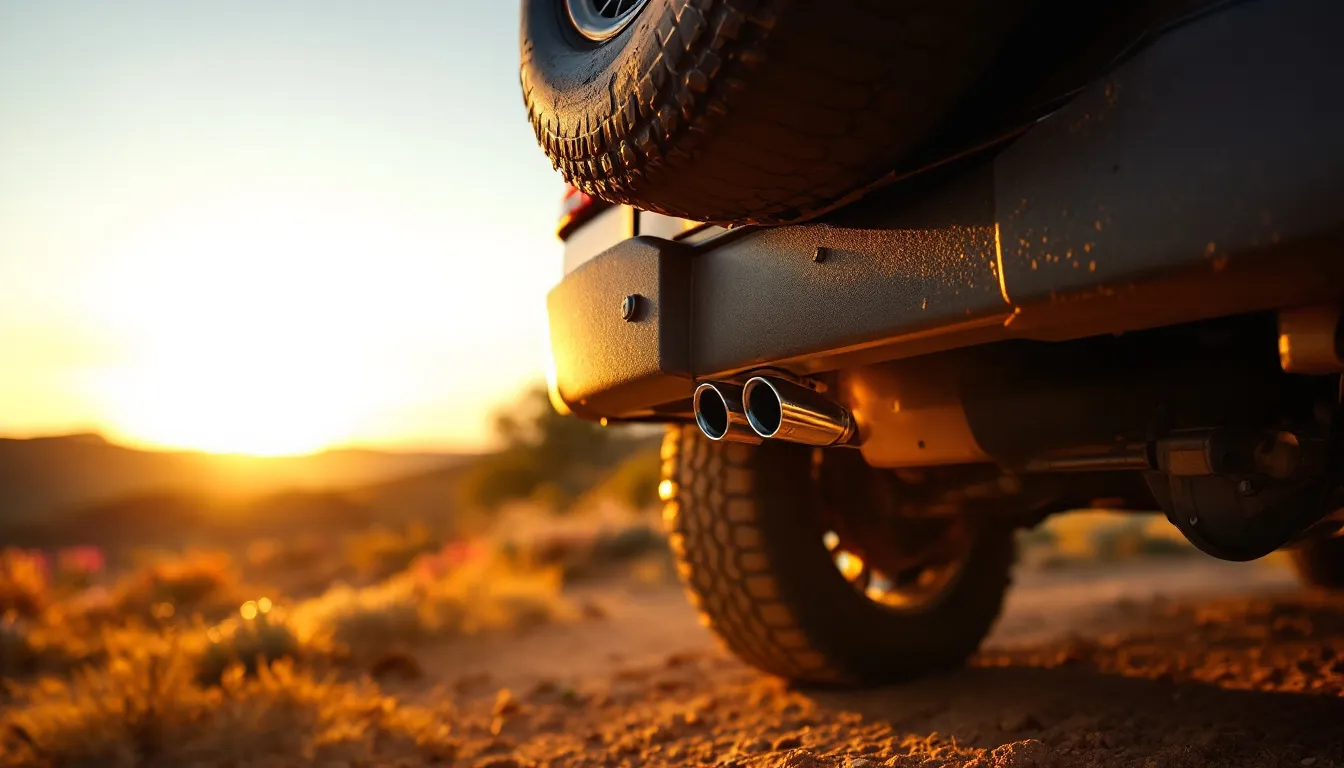
MagnaFlow Exhaust for Jeep JK: Which Muffler and System Actually Fits the Wrangler?
MagnaFlow mufflers are straight-through perforated-core mufflers made from stainless steel, designed to reduce exhaust restriction while producing a deep, moderate exhaust note rather than the aggressive bark of chambered-style competitors. For Jeep JK owners, the core question is fitment: yes, MagnaFlow makes systems compatible with the 2007–2018 Wrangler JK and JKU, but the Amazon listings can be inconsistent, and buying the wrong part number is a real risk. You need to know your engine (3.6L vs 3.8L), your door count (2-door JK vs 4-door JKU), and whether you want a full cat-back system or a muffler-only swap before you buy.
The information in this guide draws on what the JK community consistently reports across forums, verified purchaser reviews, and hands-on owner research — not a single install. That community-first approach is the backbone of everything that follows. If you’re also planning JK mods by budget, an exhaust upgrade belongs on that list early: it’s one of the few bolt-ons that changes how the JK sounds and feels every single drive.
Are MagnaFlow Mufflers Actually Good Quality?
MagnaFlow mufflers are genuinely well-regarded — not just marketing. The brand uses 409 or 304 stainless steel construction, mandrel-bent tubing, and a perforated-core straight-through design that is fundamentally different from the baffled chambered construction you get in budget mufflers. That design means exhaust gases flow with less restriction, and the internal acoustics produce a smoother, less raspy tone.
The perforated core is wrapped in stainless packing material that absorbs sound waves at higher frequencies. The result is a muffler that sounds deeper than stock without crossing into the droning, buzzing territory that makes long-distance highway driving miserable. Many JK owners report that MagnaFlow’s tone sits comfortably between “barely noticeable” and “turns heads,” which is exactly where most daily drivers want to be.
Build quality shows in the welds. MagnaFlow’s fully welded construction — no internal baffles to rattle loose over time — holds up well to the heat cycling and vibration that the JK’s body-on-frame platform dishes out on rough terrain.
Where owners get frustrated is part numbers. MagnaFlow uses a numeric code system (e.g., 15136, 16956) that tells you inlet/outlet diameter, body dimensions, and flow direction — but nothing on the face of the number tells you which Jeep it fits. Many shoppers search for a MagnaFlow part number they found on a forum post, only to discover it was listed for a different pipe diameter or a different model year. The fix is simple: always cross-reference the part number against MagnaFlow’s fitment guide or the Amazon “fits your vehicle” check before purchasing.
For other bolt-on performance upgrades for the JK, understanding which parts are genuinely worth the premium — and why — matters as much as knowing the brand name.
Get new guides by email
One email when we publish something worth reading. Unsubscribe anytime.
Which MagnaFlow Systems Actually Fit the Jeep JK and JKU?
MagnaFlow does make exhaust products that fit the 2007–2018 Jeep Wrangler JK, but fitment depends on three variables working together: engine generation, door count, and system type. Get any one of them wrong, and you’re looking at a return shipment.
Here’s the fitment matrix JK forum owners consistently flag:
Engine generation matters first. The JK ran the 3.8L V6 from 2007 to 2011, then switched to the 3.6L Pentastar V6 from 2012 to 2018. These engines share the same general exhaust routing, but the mid-pipe and cat positioning differ slightly. Many — not all — systems cover both, but verify before you buy.
Door count is the second variable — and the bigger trap. The 2-door JK has a shorter wheelbase and a shorter rear exhaust section. The 4-door JKU has a longer frame, which means the rear section of a cat-back system needs more pipe length to reach the same exit point. A system labelled “JK” but not “JKU” may physically not reach the rear bumper on a 4-door. Some listings cover both; others are door-count specific. Look for explicit “2/4 Door” callouts in the product title.
Pipe diameter is the third trap. The stock JK exhaust runs 2.5-inch diameter piping. Some MagnaFlow mufflers are sized for 2-inch inlets (too small) and others for 3-inch (too large without an adapter). A muffler with a 3-inch inlet will not seat correctly on a stock 2.5-inch mid-pipe without modification.
Understanding MagnaFlow’s part number codes helps here. The numeric codes encode the muffler body size and inlet/outlet diameter — but they don’t encode vehicle fitment. A code like “14832” tells you body dimensions and flow path; it doesn’t tell you “JK compatible.” Always use the product listing’s fitment notes, not the number alone.
If you’re buying a used JK and inheriting an aftermarket exhaust, check the JK buyers guide to understand what to look for under the frame before assuming the previous owner got the fitment right.
MagnaFlow vs Flowmaster for the JK: Sound, Quality, and Price
For the Jeep JK, MagnaFlow and Flowmaster are the two most-discussed exhaust brands — and they sound fundamentally different. MagnaFlow uses a straight-through perforated core for a deep, smooth note; Flowmaster uses chambered baffles for a more aggressive, louder crack. Which one is right depends on how you use the JK.
Here’s a direct comparison based on what JK owners on forums and verified review platforms consistently report:
| Feature | MagnaFlow | Flowmaster (Outlaw/Super 44) |
|---|---|---|
| Core design | Straight-through perforated | Chambered baffles |
| Primary material | 304 or 409 stainless steel | 409 stainless steel |
| Typical sound character | Deep, smooth, moderate | Aggressive, louder, more bark |
| Drone risk (highway) | Low to moderate | Moderate to high |
| Price range (cat-back) | $350–$600+ | $250–$500 |
| JK fitment availability | Patchy on Amazon; check carefully | Strong; Outlaw covers 2007–2018 JK/JKU |
| Warranty (typical) | Limited lifetime | Limited lifetime |
| Best for | Daily driver, mild off-road | Off-road focus, aggressive sound preference |
The design philosophy difference is worth understanding. MagnaFlow’s perforated core absorbs higher-frequency resonance, which is why it tends to avoid the “drone” that chambered mufflers can produce at steady highway RPM. Drone is that low-frequency hum that vibrates through the cabin at around 1,500–2,000 RPM — it’s especially noticeable in the JK’s hard-top configuration, where the rigid roof has less sound dampening than a soft-top.
Flowmaster’s chambered design amplifies mid-range frequencies, which is what gives it the aggressive burble and pop that many off-road-focused owners love. What JK owners on forums consistently report, though, is that some Flowmaster setups can drone noticeably on extended highway runs with the hard top fitted.
The Flowmaster Outlaw Extreme is worth calling out here because it’s one of the few aftermarket cat-back systems with explicit 2007–2018 JK/JKU coverage for both the 3.6L and 3.8L. Its high-clearance design is also a genuine advantage if you’re running any lift — worth considering alongside protecting your undercarriage while you’re upgrading.

How Loud Are MagnaFlow Mufflers? Sound Levels Explained
On a scale of 1 to 10, where 1 is stock quiet and 10 is straight-pipe obnoxious, MagnaFlow mufflers on the JK typically land around a 4 to 5 for a muffler-only swap and a 5 to 6 for a full cat-back system. That’s a noticeable step up from stock — a deeper, more authoritative tone — without the cabin-fatiguing volume of an aggressive chambered muffler.
Perceived loudness varies with several factors:
- Pipe diameter: A 3-inch system is louder than a 2.5-inch at the same muffler design.
- Cat-back vs muffler-only: A full cat-back removes more of the stock system’s sound-dampening sections, so it’s inherently louder than a tail-end muffler swap.
- Resonator presence: Many stock JK exhausts include a resonator — a secondary chamber that smooths out specific frequencies. Removing it as part of a cat-back swap increases volume and changes tone noticeably.
- Hard-top vs soft-top: Hard-top JKs reflect exhaust sound back toward the cabin at certain RPM ranges, making drone more noticeable than in soft-top configurations.
Within the MagnaFlow product range, the distinction owners ask about most is MF Series vs XL Series. The XL Series mufflers have a larger body diameter and longer overall length, which means more internal volume, more sound absorption, and a quieter result. The standard MF Series is more compact, flows slightly more directly, and tends to produce a noticeably more present exhaust note. If you want the quietest MagnaFlow option, go XL; if you want more sound character, the standard series delivers it.
What JK owners report in verified reviews is consistent: MagnaFlow is not a stealth exhaust, but it’s also not offensive. It’s the choice for owners who want the JK to sound like it means business without announcing their arrival at a campsite at 6am.
What Are the Different Types of MagnaFlow Mufflers?
MagnaFlow produces four main product categories relevant to the JK: cat-back systems, axle-back systems, universal mufflers, and direct-fit muffler replacements. Each targets a different part of the exhaust system and delivers a different level of sound and performance change.
Here’s a quick breakdown:
- Cat-back systems: Replace everything from the catalytic converter back. Maximum sound and flow improvement. Highest price tier ($350–$600+). Requires the most installation work. Must be door-count specific — confirm 2-door JK or 4-door JKU.
- Axle-back systems: Replace only the section from the rear axle to the tip. Less sound change than a cat-back, but easier to fit and more affordable ($150–$300). Good entry point for owners who want a tone change without full system replacement.
- Direct-fit muffler replacements: Bolt-on replacements for the OEM muffler only. Minimal installation complexity. Moderate sound improvement. Mid-price tier ($100–$300). Most compatible with stock pipe diameters.
- Universal mufflers: Not vehicle-specific. Require custom pipe cutting and welding. Only relevant if you’re building a fully custom exhaust. Not recommended as a direct swap for most JK owners.
For the JK, the standard pipe diameter is 2.5 inches. Most direct-fit and cat-back systems designed for the JK are built around this size. If you encounter a MagnaFlow universal muffler sized for 2-inch inlets, it’s not the right fit without modification.
One question that comes up in search: MagnaFlow also makes systems for the F-150, Silverado, Tacoma, and other trucks. Those part numbers are not interchangeable with JK fitments — different pipe routing, different diameters, different rear section geometry. This guide covers JK and JKU only.
Best Exhaust Systems for the Jeep JK Right Now
Given that MagnaFlow’s own Amazon presence for JK-specific fitments can be inconsistent, here are the best verified alternatives currently available, covering every budget from full cat-back to budget muffler swap. All six options below are confirmed for JK/JKU fitment as of 2026.
Best Overall: aFe MACHForce XP Cat-Back
The aFe MACHForce XP is a 2.5-inch SS-409 stainless steel cat-back system covering the full 2007–2016 JK range, both 2-door and 4-door configurations, across the 3.6L and 3.8L engines. Verified purchaser reports consistently describe it as the premium build-quality pick — mandrel-bent tubing, all-stainless construction, and a deep tone that sits comfortably in the moderate range without droning at highway speed. At $562, it’s not a budget buy, but the construction quality justifies the premium for owners who plan to keep their JK long-term.
- Pros: Full 2/4-door coverage, 2.5-inch mandrel-bent SS-409, complete cat-back system
- Cons: Higher price point; 2016 cutoff means it doesn’t cover 2017–2018 JK without confirming fitment

Best for Aggressive Sound: Flowmaster Outlaw Extreme Cat-Back
Three-inch 409 stainless steel, explicit 2007–2018 JK/JKU coverage for both engines, and a high-clearance design that keeps the system tucked for trail use. This is the loudest option on this list by design. Owners who want the JK to sound seriously aggressive, particularly with a lift and larger tires, consistently rate this highly. The turndown tip style also keeps the exhaust exit pointed away from the bumper, which matters if you’re running a steel rear bumper.
- Pros: Widest year coverage (2007–2018), 3-inch pipe, high-clearance design, aggressive sound
- Cons: Louder than most daily drivers want; potential for drone on long highway runs with hard top
Best Mid-Range: Generic Muffler System Kit (2007–2018 JK 2/4 Door)
At $259.99, this kit covers the full 2007–2018 JK range across both door counts. Verified purchaser reports describe straightforward fitment and a noticeable tone improvement over stock without crossing into obnoxious territory. Build quality is not at the aFe level, but for owners who want a solid mid-range option without spending $500+, it’s a sensible choice.
- Pros: Full year/door coverage, mid-range price, good tone improvement
- Cons: Build quality and longevity below premium options

Best Value: Direct Fit 2.5-Inch Exhaust Kit (2007–2018 JK)
This 2.5-inch direct-fit kit at $262.99 sticks to the stock pipe diameter, making it the easiest drop-in swap on this list. No adapter required, no custom cutting. Covers 2007–2018 JK. Owners report the installation takes around 1–2 hours with basic hand tools, and the sound result is a moderate improvement over stock — deeper, but not dramatically louder.
- Pros: Stock diameter, straightforward fitment, full year coverage, competitive price
- Cons: Less dramatic sound improvement than a 3-inch system

Best Budget Axle-Back: 2.5-Inch Dual Axle-Back Stainless System
At $169.80, this dual axle-back covers both 2-door and 4-door JK configurations through 2017. It’s the entry-level choice for owners who want an audible upgrade without committing to a full cat-back. The dual-exit design is a visual improvement over stock as well. Expect a noticeable but not dramatic tone change.
- Pros: Lowest price on the list, 2/4-door coverage, stainless construction
- Cons: Axle-back only — less sound improvement than a full cat-back; check 2017 vs 2018 coverage carefully

Budget Muffler Swap: Northeastern Exhaust Muffler
Important: this muffler covers 2007–2011 Jeep Wrangler JK with the 3.8L engine only. If you have a 2012 or later JK with the 3.6L Pentastar, this is not the right part. For early JK owners, though, it’s a $159.82 direct muffler replacement that includes a free clamp — a clean budget option for a 3.8L muffler swap without touching the rest of the system.

For a broader view of what’s worth upgrading first, the full JK mod budget guide puts exhaust in context alongside other high-impact JK upgrades that change how the Wrangler performs on and off road.
How to Choose the Right Exhaust or Muffler for Your JK
Picking the right exhaust for your JK comes down to four variables: your budget, your preferred sound level, your use case (daily driver vs trail-focused), and whether you want a full system or a muffler-only swap. Work through these in order and the choice becomes straightforward.
Here’s the decision sequence:
-
Set your budget first. Under $200 means muffler-only or axle-back. $250–$350 covers solid mid-range cat-back options. $400–$600+ reaches premium full systems like the aFe MACHForce XP.
-
Decide on sound level. If you drive the JK daily and value a quiet cabin on highway runs, prioritise straight-through designs and retain your resonator if possible. If you want the JK to sound aggressive on the trail, chambered or 3-inch systems deliver more volume.
-
Confirm your door count and engine. 2-door JK and 4-door JKU require different rear section lengths on cat-back systems. The 3.8L (2007–2011) and 3.6L (2012–2018) have slightly different mid-pipe configurations. Verify the product listing covers both your year and your door count.
-
Choose system type. Cat-back replaces everything from the cat back — maximum sound and flow change. Axle-back replaces from the rear axle — moderate change, easier install. Muffler-only is the simplest drop-in swap.
For owners who want a verified mid-range option that covers the full 2007–2018 JK range without committing to a full premium cat-back system, two options worth considering:

Both cover 2007–2018 JK in both 2-door and 4-door configurations across the 3.6L and 3.8L engines — the kind of broad fitment coverage that minimises the part-number confusion risk that catches so many buyers out.
For other premium JK upgrades worth the spend, understanding where exhaust sits in your build priority helps you sequence the budget correctly.
Installing a Cat-Back Exhaust on a JK: What to Expect
Installing a cat-back exhaust on a Jeep JK is a DIY-friendly job for anyone comfortable working under a vehicle — most owners report completing it in 1 to 3 hours with basic hand tools and a set of jack stands. No welding required for direct-fit systems. No specialised equipment beyond what most home garages have.
Here’s the process overview:
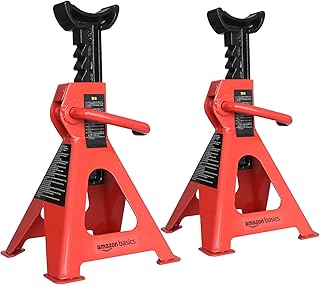
- Lift and support the JK safely. You’ll need to work under the full length of the vehicle. A good pair of jack stands is essential — improvised support under a 4,500 lb Wrangler is not a risk worth taking.
-
Spray penetrating oil on all OEM clamps and hangers at least 15–20 minutes before you start. The JK’s OEM hardware corrodes, and seized hardware is the most common reason a “2-hour job” becomes a 4-hour job.
-
Remove the OEM exhaust sections from the rear, working forward. Many JK owners report that the OEM rubber hangers are stiff and benefit from a rubber hanger removal tool — a simple plastic wedge tool that pops the hanger off the hook without tearing it. This is a cheap, community-recommended addition to your tool kit.
-
Fit the new system from front to rear, leaving all clamps finger-tight until the full system is in place. This lets you adjust alignment before you lock everything down.
-
Apply high-temp RTV silicone at slip-joint connections if specified by the system instructions. It’s a small step that prevents exhaust leaks at the joints.
-
Torque all clamps to spec and do a final visual check that nothing is contacting the frame, the floor pan, or the spare tire carrier.
JKU 4-door owners: the rear section of your cat-back is longer than the 2-door version. Confirm the system you bought is explicitly listed for 4-door/JKU. If the instructions reference two rear pipe lengths, use the longer one for the JKU.
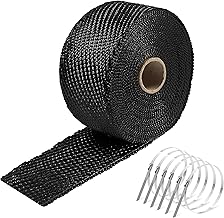
An optional upgrade while you’re under the rear of the JK: exhaust heat wrap on exposed pipe sections, particularly near the floor pan.
It’s also a good time to inspect your rear bumper mounting and skid plate situation — while you’re under the rear of the JK, it costs nothing to check. And if the exhaust upgrade is part of a broader trail-readiness build, other trail-readiness upgrades pair well with the increased confidence an exhaust mod gives you on the trail.
Frequently Asked Questions: MagnaFlow and JK Exhausts
Here are the most-asked questions about MagnaFlow mufflers on the JK and JKU, answered plainly. If you’ve been searching for a specific part number and landed here confused, you’re in the right place.
How does MagnaFlow compare to Flowmaster in quality and performance?
Both brands use stainless steel construction and produce high-quality products. MagnaFlow uses a straight-through perforated core design that tends to produce a smoother, deeper tone with lower drone risk. Flowmaster uses chambered baffles that deliver a louder, more aggressive sound character. For JK daily drivers, MagnaFlow is typically the quieter choice; for trail-focused owners who want maximum exhaust note, Flowmaster’s Outlaw series is the more common pick. Quality is comparable at similar price points — the difference is in sound philosophy, not build quality.
How loud are MagnaFlow mufflers?
On the JK, a MagnaFlow muffler-only swap produces a moderate increase in volume — noticeably deeper than stock, but far from obnoxious. A full cat-back is louder than a muffler-only swap because more of the stock system’s sound-dampening sections are removed. What JK owners consistently report is that MagnaFlow sits in the “sounds purposeful, not aggressive” zone. Hard-top JKs may notice slightly more interior resonance than soft-tops at certain RPM ranges.
Are MagnaFlow mufflers considered good quality?
Yes. MagnaFlow is consistently regarded as a premium exhaust brand. The stainless steel construction (409 or 304 grade depending on the product line), fully welded body, and perforated-core design all contribute to a product that holds up well over time. Many JK owners report that MagnaFlow systems outlast cheaper alternatives without developing rattles or leaks. The brand also carries a limited lifetime warranty on most products, though you should verify warranty terms at time of purchase.
What size options are available for MagnaFlow mufflers?
MagnaFlow mufflers are available in inlet/outlet diameters of 2 inch, 2.5 inch, and 3 inch across their product range. For the Jeep JK, the stock exhaust runs 2.5-inch piping — so direct-fit muffler replacements should be sized accordingly. Cat-back systems designed for the JK are typically available in 2.5-inch or 3-inch configurations. A 3-inch system will be louder and may require modification to connect to stock mid-pipe sections.
Which MagnaFlow muffler models range from loudest to quietest?
Within MagnaFlow’s range, the XL Series (larger body, more internal volume) is the quietest. The standard MF Series is a step louder. Performance Series mufflers, designed for more aggressive applications, are louder still. For JK owners who want the quietest possible upgrade, an XL Series direct-fit muffler is the starting point. For more sound character without going full aggressive, the standard MF Series cat-back is the most popular choice based on community feedback.
What are the different types of MagnaFlow mufflers?
MagnaFlow makes four main product types: cat-back systems (from the catalytic converter to the tip), axle-back systems (from the rear axle to the tip), direct-fit replacement mufflers (OEM-position swap), and universal mufflers (require custom pipe work). For the JK, direct-fit and cat-back are the most practical options. Universal mufflers require fabrication skills and are not a simple bolt-on.
Are there MagnaFlow mufflers designed specifically for the F-150 or Silverado?
Yes — MagnaFlow makes fitment-specific systems for the Ford F-150, Chevy Silverado, and many other trucks. Those part numbers are not interchangeable with JK fitments. This guide covers Jeep Wrangler JK and JKU (2007–2018) only. If you’re shopping for a truck exhaust, MagnaFlow’s fitment search on their website or Amazon’s “fits your vehicle” check will direct you to the correct truck-specific listings.
What is a MagnaFlow resonator and how does it differ from a muffler?
A resonator is a secondary exhaust chamber — typically positioned between the catalytic converter and the main muffler — that targets specific sound frequencies without significantly restricting flow. Where a muffler reduces overall exhaust volume, a resonator fine-tunes tone by cancelling particular frequency ranges (often the droning frequencies). Many JK owners confuse the two because they’re both cylindrical components in the exhaust system. If you remove your resonator but keep the stock muffler, you’ll notice a tone change and modest volume increase. If you replace the muffler but keep the resonator, the resonator continues to suppress some frequencies. A full cat-back system typically removes both. For other popular JK upgrades that complement an exhaust swap, interior and lighting mods are a natural next step.
Bottom Line: Is MagnaFlow Worth It for Your JK?
MagnaFlow is worth it for JK owners who want a quality exhaust note upgrade without committing to an aggressive, droning bark. The brand’s straight-through design, stainless steel construction, and moderate sound character make it a natural fit for owners who drive the JK daily but want it to sound better doing it.
The complication is Amazon availability. MagnaFlow’s JK-specific listings are not always reliably stocked, which is why this guide includes verified alternatives across every price tier — from the premium aFe MACHForce XP down to the Northeastern direct-fit muffler for early 3.8L owners.
The part-number confusion issue is real and worth respecting. Always verify engine year (3.6L vs 3.8L), door count (2-door JK vs 4-door JKU), and pipe diameter (2.5-inch standard for JK) before clicking purchase. Those three checks prevent the most common exhaust fitment mistakes.
The recommendations here are grounded in what the JK community consistently reports across forums and verified purchaser feedback — real-world owner experience across thousands of installs, not a single data point. That community knowledge is more reliable than any single owner’s experience, and it’s what every suggestion in this guide is built on.
Ready to plan your next upgrade? Start with what to upgrade next on your JK to put the exhaust in context, or browse other practical JK accessories if you’re building out the interior alongside the mechanical upgrades.
Free: JK Fluids at a Glance
Every fluid, spec and capacity for the 2007-2018 Wrangler JK on one page, plus a cut-out glovebox card. Checked against the owner's manuals. From the JK Service Kit.
Email me the download and new guides when they are published. Unsubscribe anytime. Privacy Policy.
Allan
I'm Allan. I own a 2014 Jeep Wrangler JKU and I research the hell out of every mod before I touch it. When I've fitted something to my own Jeep, I say so. Everything else is researched from manufacturer specs and other owners' reports. No sponsored fluff.
Learn more about me →Free: JK Fluids at a Glance
Every fluid, spec and capacity for the 2007-2018 JK on one page, plus a glovebox card.
Email me the download and new guides when they are published. Unsubscribe anytime. Privacy Policy.
Related Articles
Jeep JK Accessories: Must-Have Mods Ranked by Off-Road Impact
Jeep JK accessories are the aftermarket parts, protective gear, and performance upgrades designed specifically for the Jeep Wrangler JK and JKU produced...
Best Aftermarket Wheels for Jeep JK: Black, Bronze & Machined Finish Options Ranked
Aftermarket wheels for the Jeep JK are replacement or upgrade rims designed to fit the 2007–2018 Wrangler JK and JKU's 5x5 (5x127mm) bolt pattern, typically...
Jeep JK Mopar Lift Kit Review: 2-Inch & 4-Inch Kits Compared to Aftermarket
A Jeep JK Mopar lift kit is a factory-engineered suspension lift system sold under Jeep's own parts brand, designed specifically for the 2007–2018 Wrangler...