Jeep JK Mopar Lift Kit Review: 2-Inch & 4-Inch Kits Compared to Aftermarket
Jeep JK Mopar Lift Kit Review: 2-Inch & 4-Inch Kits Compared to Aftermarket
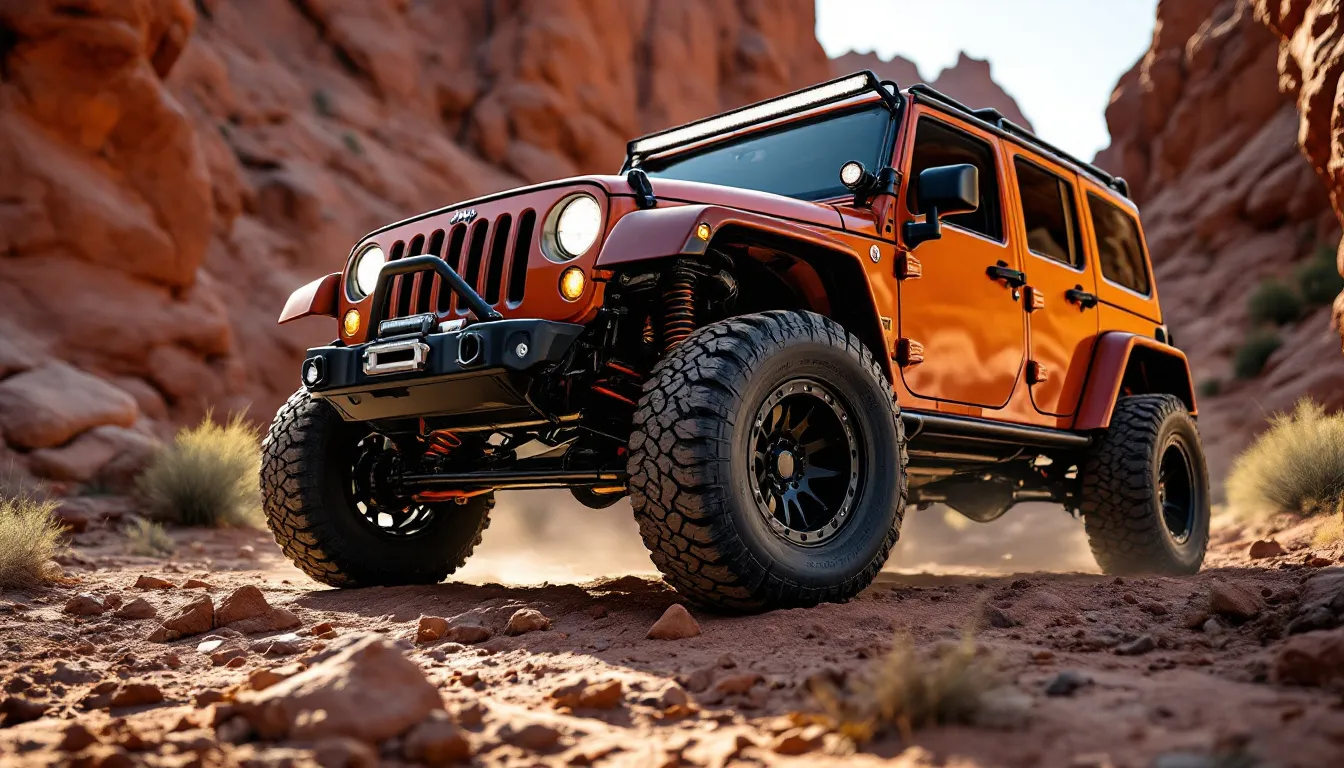
A Jeep JK Mopar lift kit is a factory-engineered suspension lift system sold under Jeep’s own parts brand, designed specifically for the 2007–2018 Wrangler JK and JKU to raise ride height while maintaining OEM-grade fit and warranty alignment.
If you’re weighing a Mopar lift kit against aftermarket options, here’s the short answer: Mopar kits prioritize OEM compatibility and dealer warranty protection; aftermarket kits offer more lift options at lower price points but require more research on fitment and warranty impact. The Mopar 2-inch kit suits daily drivers and mild trail use. The 4-inch (or 2.5-inch shock kit) is the better choice for 35-inch tires and serious off-road use.
Important: This article covers the 2007–2018 Jeep Wrangler JK and JKU only. Mopar lift kits are platform-specific. Kits designed for the JL, JT Gladiator, or Ram trucks are not interchangeable with JK hardware. Searching across platforms is a common mistake that leads to wasted returns.
For a broader look at suspension options, see our guide to the best lift kits for the Jeep Wrangler JK or the JK buyers guide if you’re still deciding which JK to buy.
Get new guides by email
One email when we publish something worth reading. Unsubscribe anytime.
Are Mopar Lift Kits Available as OEM Options for the JK?
Yes. Mopar offered genuine factory lift kits for the 2007–2018 Jeep Wrangler JK through the official dealer network. These kits were engineered by Chrysler’s in-house parts division and, when dealer-installed on a new or in-warranty vehicle, could be added without voiding the factory powertrain warranty.
That OEM pedigree matters for a specific group of buyers. If your JK is still under a factory or extended warranty, fitting an aftermarket suspension lift can give a dealer grounds to deny powertrain or steering-related claims. A Mopar kit installed by a certified Jeep dealer historically avoided that problem. The community has consistently noted this as one of the primary reasons to pay the Mopar premium.
Platform confusion is real and expensive. Mopar produces lift kits for the JK, JL, and JT Gladiator, and they look similar in product listings. They are not cross-compatible. Spring rates, shock lengths, control arm geometry, and mounting points differ between platforms. If you’re shopping on Amazon or eBay, verify the part number explicitly calls out 2007–2018 Wrangler JK before you order. A kit listed as “Mopar Jeep Wrangler Lift Kit” with no year range is a red flag.
Mopar kits for the JK also differ between the 2-door JK and the 4-door JKU. The JKU has a longer wheelbase and heavier rear load, so spring rates are calibrated differently. Product listings sometimes lump both body styles together. Confirm your door count is specifically supported.
For context on how suspension lifts compare to other approaches, see our explainer on fitting a body lift kit on a JK and our detailed lift kit vs leveling kit for the JK breakdown.
Mopar 2-Inch Lift Kit for the JK: What You Actually Get
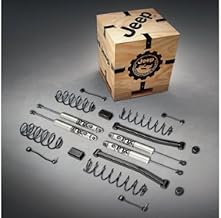
The Mopar genuine 2-inch lift kit raises your JK’s ride height by approximately 2 inches through new coil springs and shocks, without requiring significant changes to your driveline, control arms, or alignment geometry. It fits 33-inch tires comfortably on most JK builds and is the most streetable of the Mopar options.
This is the kit that makes sense if you want noticeably more ground clearance than stock, the ability to run slightly larger tires, and the peace of mind that comes with OEM engineering — without committing to the driveline modifications that a 4-inch lift demands.
Key specs and what to know:
- Lift height: 2 inches
- Fits: 2007–2018 Jeep Wrangler JK and JKU (verify door count on listing)
- What’s included: New coil springs, shocks calibrated to OEM spec
- Tire fitment: 33-inch tires are the typical upper limit without rubbing on stock fenders
- Re-gear required? No — at 2 inches, the axle angles remain within acceptable OEM range
- Alignment: A front alignment is recommended after installation
Pros:
- OEM engineering — fits as the factory intended
- Maintains dealer warranty alignment when dealer-installed on in-warranty vehicles
- No major downstream modifications required
- Straightforward installation compared to 4-inch kits
Cons:
- Price is high relative to comparable aftermarket 2-inch kits
- No room for 35-inch tires without additional modifications
- Less aftermarket tuning flexibility than a full aftermarket kit
Many JK owners find that the factory sway bar end links become a limiting factor at 2 inches of lift, particularly on the front axle. Upgraded sway bar links are a common addition after fitting this kit:

For a deeper technical breakdown, see our Mopar 2-inch lift kit deep-dive review.
Mopar 4-Inch Lift Kit for the JK: Performance Gains and Trade-Offs
A 4-inch lift — or in Mopar’s case, the 2.5-inch shock kit positioned as the mid-tier OEM option — represents a meaningful jump in capability but also in downstream commitment. At this height, 35-inch tires become viable, but re-gearing, control arm upgrades, and extended brake lines often follow.
It’s worth being direct: 2.5-inch, 3.5-inch, and 4-inch lifts are not rough equivalents. They are distinct lift heights with different component requirements. A 2.5-inch kit keeps you close to OEM driveline geometry. A 4-inch kit pushes CV axle angles and driveshaft angles to the edge of OEM tolerance. Treat these as separate decisions, not points on a slider.
Key specs and what to know:
- Lift height: 2.5 inches (all four shocks)
- Fits: 2007–2018 Jeep Wrangler JK, 4-door JKU configuration
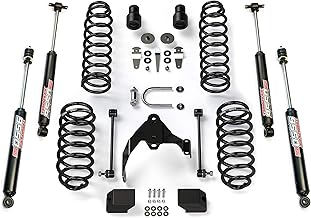
- What’s included: Four 2.5-inch shocks
- Tire fitment: 33–35 inches depending on fender clearance and additional spacers
- Re-gear required? At 35-inch tires, most JK owners report that re-gearing to 4.10 or 4.56 is necessary to restore drivability
- Alignment: Front and rear alignment strongly recommended
Pros:
- More off-road capability and ground clearance than the 2-inch kit
- Still OEM-spec engineering with factory warranty alignment potential
- Opens the door to 35-inch tires
Cons:
- Downstream costs add up quickly (re-gear, alignment, possibly extended brake lines)
- Higher price point than many comparable aftermarket kits at this height
- JKU-specific — confirm 4-door fitment explicitly
JK owners report that the ICON Stage 1 system is the most common aftermarket alternative at this height range, worth comparing directly:

For anyone planning to run 35s after lifting, see our guides on re-gear your JK after a lift and what size lift you need for 35-inch tires.
Mopar vs Aftermarket Lift Kits: How Do They Compare?
Mopar kits win on warranty compatibility and OEM fit. Aftermarket kits win on price, lift range, and tuning flexibility. For most JK owners whose factory warranty has expired — which applies to the entire 2007–2018 platform at this point — the aftermarket offers more value per dollar at every lift height.
Here’s the core comparison across the kits covered in this article:
| Kit | Lift Height | Price Range | Warranty Status | Best For | Notable Trade-off |
|---|---|---|---|---|---|
| Mopar Genuine 2” Lift Kit | 2 inches | ~$1,595 | OEM-compatible (dealer install) | In-warranty JKs, daily drivers | High price, no 35s without mods |
| Mopar 2.5” Shock Kit (4-door) | 2.5 inches | ~$968 | OEM-compatible (dealer install) | JKU owners wanting mild off-road lift | Shocks only, additional parts may be needed |
| Rough Country 2.5” Lift (JKU) | 2.5 inches | ~$400 | Aftermarket (voids OEM warranty) | Budget-conscious JKU owners | Ride quality below premium kits |
| Rough Country 4” Lift (JKU) | 4 inches | ~$650 | Aftermarket | Trail use, 35-inch tires | Re-gear and alignment costs follow |
| Rough Country 4” X-Series (JKU) | 4 inches | ~$1,450 | Aftermarket | Performance off-road JKU builds | Premium price, still aftermarket |
| maXpeedingrods 4” Lift (JKU) | 4 inches | ~$430 | Aftermarket | Entry-level 4-inch builds | Less brand support, variable QC reports |
The table makes the price-per-inch gap clear. The Mopar 2-inch kit costs roughly $800 per inch of lift. The Rough Country 4-inch kit costs under $165 per inch. That gap only makes financial sense if your JK is still under a live factory warranty. Since the entire JK platform is now 8–19 years old, most owners will find that argument has expired.
JKU owners: pay attention to labeling. Many aftermarket kits explicitly state “JKU” or “4-door” in the listing. Fitting a 2-door kit to a JKU (or vice versa) results in incorrect spring rates, ride height variation front-to-rear, and potential handling issues. The community consistently highlights this as an avoidable mistake.
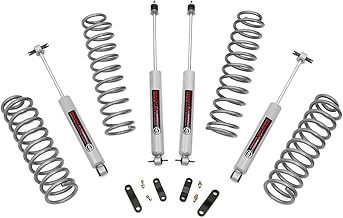



For more aftermarket alternatives at the premium end, see our ICON lift kits for the JK reviewed and best lift kits for daily driving.
Leveling Kit vs Full Lift Kit: Which Does Your JK Actually Need?
A leveling kit corrects the factory rake — the slight nose-down attitude stock JKs sit at — by adding a small spacer (typically 1–2 inches) to the front suspension only. A full lift kit raises all four corners. These solve different problems.
If your JK looks lower at the front than the rear and you want a balanced stance without spending big, a leveling kit works. It won’t give you meaningful extra ground clearance across the whole vehicle, but it will improve appearance and allow slightly larger front tires.
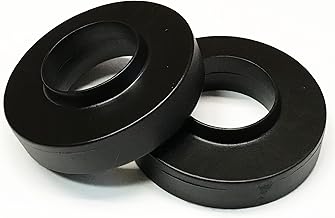
A body lift kit sits in a third category. It raises the body off the frame using spacer blocks, creating clearance for larger tires without changing suspension geometry. Body lifts are typically 1–3 inches, inexpensive, and don’t improve ground clearance under the axles.
A suspension lift kit raises the entire chassis by modifying or replacing springs, shocks, and associated hardware. This is what most people mean when they say “lift kit.” It improves ground clearance, approach and departure angles, and allows larger tires.
For most JK owners, a 2-inch suspension lift beats a 2-inch body lift for real-world capability. See our full comparison of lift kits vs leveling kits for the JK for a detailed breakdown.
How Is a Jeep JK Lift Kit Installed? What to Expect
A Jeep JK lift kit installation involves safely lifting the vehicle, removing the factory suspension components, fitting new springs and shocks, reassembling with correct torque values, and getting a fresh alignment. Most owners with solid mechanical skills complete a 2-inch kit in a weekend. A 4-inch kit with control arm changes typically takes longer.
Expect a 2-inch kit to take 4–8 hours in a home garage. A 4-inch kit with extended brake lines, control arm swaps, and sway bar link changes can run 10–14 hours or more. Shops typically quote 4–8 hours of labor for a straightforward 2-inch install, more for a comprehensive 4-inch build.
Installation phases to plan for:
- Vehicle preparation — Jack the JK safely, support the frame on jack stands, remove wheels
- Front suspension removal — Disconnect sway bar links, shocks, and springs; remove factory components
- Front suspension install — Fit new coil springs and shocks; reconnect sway bar links (upgraded links often needed at 2+ inches)
- Rear suspension removal and install — Same process at the rear axle
- Brake line check — At 4 inches, factory brake lines may be too short; extended lines required
- Torque to spec — Every fastener must be torqued correctly; don’t skip this step
- Alignment — Mandatory after any suspension lift; factor this into your budget
Two tools you’ll want for any lift install:


For more context on where a lift fits in a broader build, see JK mods by budget and running big tires on a JK.
Which Jeep JK Lift Kit Should You Buy? Practical Decision Guide
The right JK lift kit depends on three things: how your JK is used, whether it’s still under warranty, and what tires you plan to run.
If your JK is a daily driver and you want a cleaner stance: A 2-inch suspension lift or a leveling kit is enough. You’ll clear 33-inch tires, improve ground clearance, and avoid the downstream costs of bigger lifts. The Mopar 2-inch kit makes sense only if you have an active warranty. Otherwise, aftermarket is significantly better value.
If you’re building a JKU for trail use: Confirm your kit explicitly supports the JKU. Spring rates differ from the 2-door JK, and many kits are listed for one body style but not the other. A 2.5–4-inch kit is appropriate at this stage.

If you want 35-inch tires: You’ll need a minimum of 3.5–4 inches of lift, and you’ll need to budget for re-gearing and an alignment. The ICON rear kit is worth considering at this build level for improved rear articulation:

2018 JK owners specifically: The final model year JK is fully compatible with all 2007–2018 aftermarket kits. No special part numbers are needed. Just confirm listings state 2018 compatibility — most do.
JKU vs JK 2-door: Spring rates differ. Always buy the kit labeled for your body style. Installing a 2-door kit on a JKU typically results in a rear sag or uneven ride height.
For a complete rundown of options, revisit the complete JK lift kit buying guide. Once you’re lifted, consider skid plates to protect your lifted JK.
Frequently Asked Questions: Jeep JK Mopar Lift Kits
What is the best lift kit option for a Jeep Wrangler JK four-door model?
For a JKU, the best lift kit depends on use. For daily driving with 33s, a 2–2.5-inch kit works well. For 35-inch tires and trail use, a 4-inch kit with JKU-specific spring rates is the target. Always confirm the listing explicitly states 4-door JKU compatibility. Spring rates differ from the 2-door JK.
What lift height options are available for JK models?
JK lift kits range from 1-inch leveling spacers up to 6-inch suspension lifts. Common heights are 2 inches, 2.5 inches, 3.5 inches, and 4 inches. These are distinct choices, not rough equivalents. Each height has different downstream requirements for tires, re-gearing, control arms, and brake lines. A 3.5-inch and a 4-inch kit are not interchangeable decisions.
How is a Jeep JK lift kit installed?
A JK lift install involves safely supporting the vehicle on jack stands, removing factory springs and shocks, fitting the new suspension components, and torquing all fasteners to spec. A front alignment is mandatory after any lift. Most owners complete a 2-inch kit in a weekend. A 4-inch kit with additional components takes longer. Shops typically charge several hours of labor.
What is a body lift kit versus a suspension lift kit for the JK?
A body lift raises the body off the frame using spacer blocks, creating clearance for larger tires without changing suspension geometry or improving ground clearance under the axles. A suspension lift replaces or modifies springs and shocks to raise the entire chassis. For meaningful off-road improvement, a suspension lift is the correct choice.
What is a leveling kit and how does it differ from a full lift?
A leveling kit adds a small spacer (typically 1–2 inches) to the front suspension only, correcting the factory nose-down rake. A full lift kit raises all four corners. Leveling kits are inexpensive and simple to install but don’t increase overall ground clearance. See our full Mopar 2-inch lift kit review for context on when a full lift makes more sense.
Are Mopar lift kits available as OEM options for the JK?
Yes. Mopar produced genuine factory lift kits for the 2007–2018 Wrangler JK through the dealer network. When dealer-installed on in-warranty vehicles, these kits historically preserved factory warranty coverage — a key advantage over aftermarket options. Since the entire JK platform is now out of its original factory warranty period, that advantage is less relevant for most buyers today.
Do Mopar lift kits work across different vehicle platforms like Ram trucks?
No. Mopar lift kits are platform-specific. A Mopar kit designed for the JK will not fit a JL Wrangler, a JT Gladiator, or a Ram truck. Spring rates, shock lengths, and mounting geometry differ between platforms. Searching across platforms as if the kits are interchangeable is a common, and expensive, mistake. Always verify the exact year range and model (JK, JL, or JT) before purchasing. For accessory comparisons on the lifted JK, see rock sliders vs rocker guards for a lifted JK.
Free: JK Fluids at a Glance
Every fluid, spec and capacity for the 2007-2018 Wrangler JK on one page, plus a cut-out glovebox card. Checked against the owner's manuals. From the JK Service Kit.
Email me the download and new guides when they are published. Unsubscribe anytime. Privacy Policy.
Allan
I'm Allan. I own a 2014 Jeep Wrangler JKU and I research the hell out of every mod before I touch it. When I've fitted something to my own Jeep, I say so. Everything else is researched from manufacturer specs and other owners' reports. No sponsored fluff.
Learn more about me →Free: JK Fluids at a Glance
Every fluid, spec and capacity for the 2007-2018 JK on one page, plus a glovebox card.
Email me the download and new guides when they are published. Unsubscribe anytime. Privacy Policy.
Related Articles
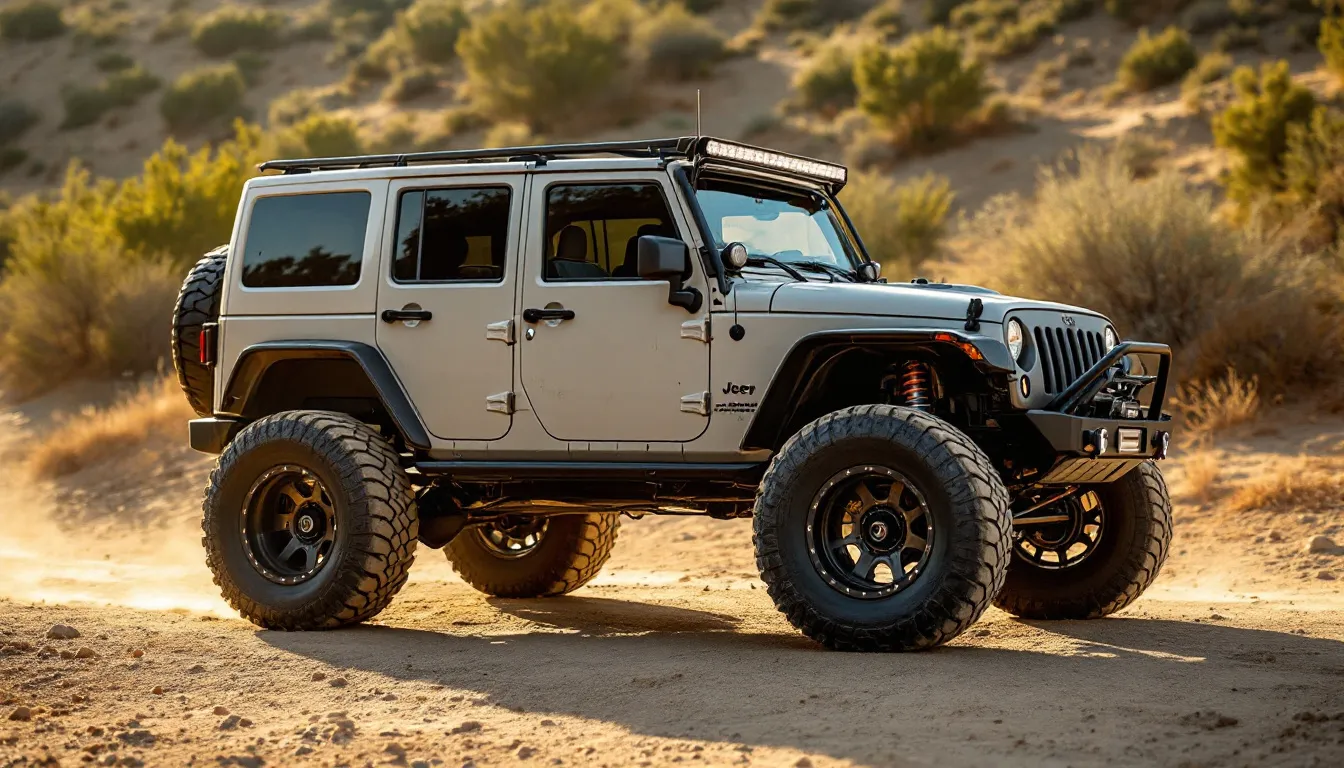
35-Inch Tires on a 2.5-Inch Lift Jeep JK: What Fits, What Rubs & What to Trim
A Jeep JK running 35-inch tires on a 2.5-inch lift is entirely possible, but it is not a plug-and-play upgrade.
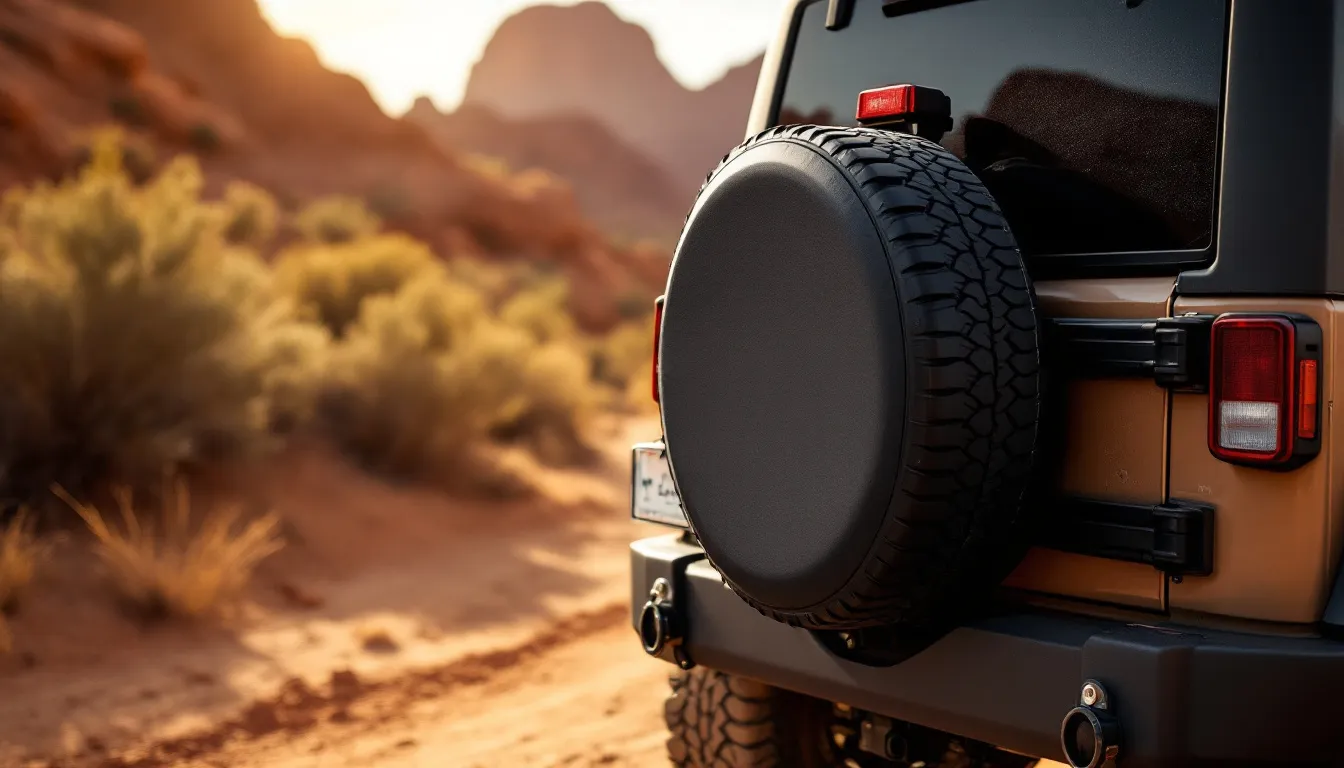
Best Spare Tire Covers for Jeep JK: Fit, Material & Style Guide
A Jeep JK spare tire cover is a shaped vinyl, PVC leather, or hard plastic shell that fits over the exposed spare mounted on your rear door or swing-away...
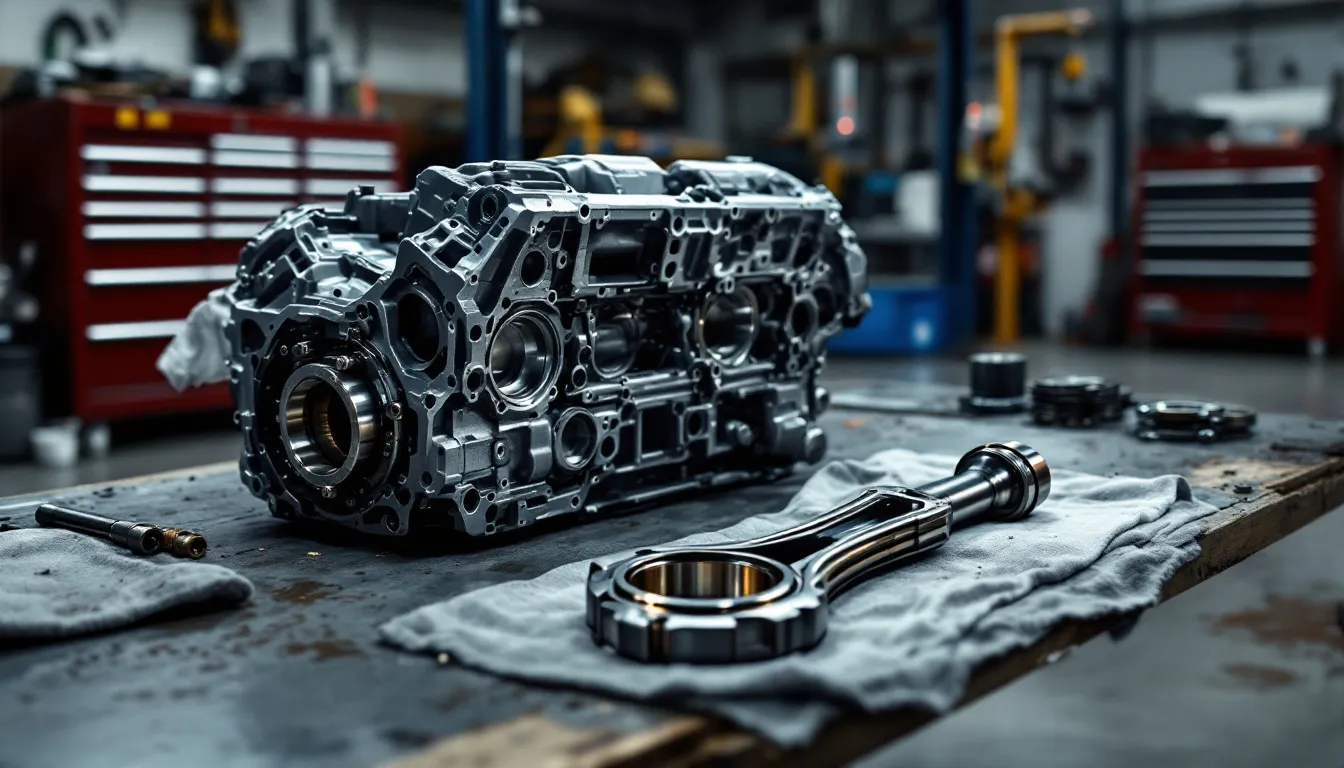
Jeep JK Stroker Kit: 3.8L & 3.6L Engine Displacement Upgrades Explained
A jeep stroker kit swaps in a crankshaft with a longer stroke, increasing engine displacement and, most critically, low-end torque without boring out the block.