JK Regear Cost: Complete Pricing Guide for Dana 30 & Dana 44 Differentials
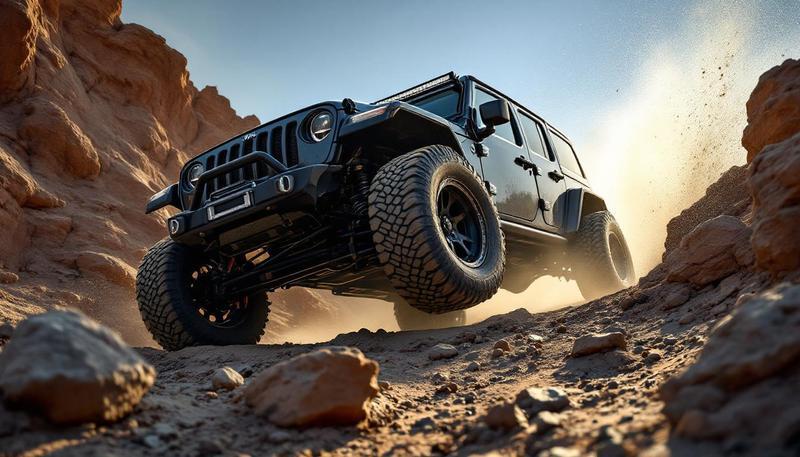
Understanding JK Regearing Costs
JK regearing costs range from $1,030-$4,250 for professional installation, with Dana 30 differentials starting at $1,030-$2,050 and Dana 44 at $1,675-$4,250. This breaks down to parts ($630-$2,450) plus labor ($400-$1,800). DIY can save $400-$1,200 in labor if you have the tools and experience. Most owners choose 4.56 gears for 35” tires or 4.88 for 37” tires.
Below we break down exact costs by differential type, parts selection, gear ratio recommendations, and whether professional installation or DIY makes sense for your build.
Why Regear Your JK After Installing Bigger Tires?
Before diving into costs, it’s essential to understand why regearing is so important after tire upgrades. Your vehicle’s gear ratio is engineered to work optimally with a specific tire size. When you increase tire diameter without adjusting the gear ratio, several negative consequences occur.
Performance Impact
Larger tires reduce your effective gear ratio, meaning your engine RPM decreases at a given speed. This creates the sensation of slower acceleration and reduced pulling power. A typical example: if you install 35-inch tires without regearing, you’ll experience a performance loss equivalent to your engine revving 600-800 RPM lower for the same speed. This affects both on-road driving and off-road capability.
Fuel Economy and Engine Strain
Running larger tires without proper regearing forces your engine to work harder to maintain highway speeds. Your fuel economy can drop 15-20%, and your transmission works inefficiently, generating excess heat. Over time, this leads to premature transmission wear and potential failure—a much more expensive repair than regearing.
Towing and Payload Capacity
If you tow with your JK, improper gearing severely compromises your towing capacity and creates dangerous conditions. Larger tires without regearing reduce your vehicle’s effective torque multiplication, making it difficult to safely tow even moderate loads.
Legal and Safety Considerations
Many states have regulations regarding tire size modifications and their effect on vehicle performance. Additionally, improper gearing can lead to transmission issues that compromise vehicle safety and control.
Get new guides by email
One email when we publish something worth reading. Unsubscribe anytime.
Dana 30 vs Dana 44: Understanding Your Differential
The type of differential in your JK significantly impacts regearing costs and performance. Most JK Wranglers came equipped with a Dana 30 front differential, though some models and upgrades included a Dana 44. This is an important consideration when choosing your lift kit and planning your build.
Dana 30 Differential
The Dana 30 is a lighter-duty differential found on many base-model JK Wranglers. While adequate for stock vehicles and moderate modifications, it has limitations for aggressive driving or very large tire sizes.
Dana 30 Specifications:
- Smaller overall size and weight
- Lighter-duty internal components
- Suitable for tires up to 37 inches with caution
- More affordable to regear
- Common failure point in high-stress situations
Dana 44 Differential
The Dana 44 is a heavier-duty differential offering significantly better strength and longevity. Many JK owners upgrade to Dana 44 for both front and rear to ensure durability with larger tires and aggressive driving.
Dana 44 Specifications:
- Larger gear sets and stronger internals
- Recommended for tires 35+ inches
- Better suited for extreme off-roading
- More expensive but longer-lasting
- Industry standard for serious Jeep modifications
JK Regear Cost Breakdown
Dana 30 Regearing Costs
Parts Costs:
- Ring and pinion gear set: $400-$650
- Bearing kit: $150-$250
- Seal and gasket kit: $50-$100
- Gear oil and additives: $30-$50
- Total Parts: $630-$1,050
Labor Costs (Professional Shop):
- Standard installation: $400-$700
- Premium shops with warranty: $700-$1,000
- Rush service: add 25-50%
- Total Labor: $400-$1,000
Total Dana 30 Regearing Investment: $1,030-$2,050
Dana 44 Regearing Costs
Parts Costs:
- Ring and pinion gear set: $700-$1,100
- Bearing kit: $250-$350
- Seal and gasket kit: $75-$125
- Gear oil and additives: $50-$75
- Locker or limited-slip differential (optional): $400-$800
- Total Parts: $1,075-$2,450
Labor Costs (Professional Shop):
- Standard installation: $600-$900
- Premium shops with warranty: $900-$1,300
- Locker installation (if added): +$300-$500
- Total Labor: $600-$1,800
Total Dana 44 Regearing Investment: $1,675-$4,250
Detailed Cost Breakdown Table
| Component | Dana 30 Budget | Dana 30 Mid-Range | Dana 30 Premium | Dana 44 Budget | Dana 44 Mid-Range | Dana 44 Premium |
|---|---|---|---|---|---|---|
| Ring & Pinion Gears | $400 | $525 | $650 | $700 | $900 | $1,100 |
| Bearing Kit | $150 | $200 | $250 | $250 | $300 | $350 |
| Seals & Gaskets | $50 | $75 | $100 | $75 | $100 | $125 |
| Gear Oil & Additives | $30 | $40 | $50 | $50 | $65 | $75 |
| Parts Subtotal | $630 | $840 | $1,050 | $1,075 | $1,365 | $1,650 |
| Professional Labor | $400 | $600 | $800 | $600 | $900 | $1,200 |
| Differential Cover (if needed) | $0 | $75 | $150 | $0 | $100 | $200 |
| Total Installation | $1,030 | $1,515 | $2,000 | $1,675 | $2,365 | $3,050 |
Gear Ratio Recommendations for Different Tire Sizes
Choosing the right gear ratio depends on your tire size, driving preferences, and transmission type. Here’s a breakdown of the most popular options:
4.10 Gear Ratio
Best For: Mild tire upgrades, fuel economy priority, highway-focused driving
- Stock equivalent with 35-inch tires
- Slightly better fuel economy than higher ratios
- Adequate acceleration and towing capacity
- Less aggressive off-road performance
- Tire size compatibility: 33-35 inches (acceptable), 37+ inches (not recommended)
4.56 Gear Ratio
Best For: 35-inch tires, balanced on-road and off-road driving, most popular choice
- Industry standard for 35-inch tires
- Excellent balance between performance and fuel economy
- Strong acceleration and responsive throttle feel
- Versatile for various driving conditions
- Tire size compatibility: 33-37 inches (optimal)
4.88 Gear Ratio
Best For: 35-37 inch tires with aggressive off-road focus, serious rock crawling
- Maximum acceleration and off-road capability
- Noticeably reduced fuel economy
- Not ideal for highway/long-distance driving
- Excellent for towing and extreme terrain
- Tire size compatibility: 35-37 inches (recommended), 40+ inches (marginal)
5.13 Gear Ratio
Best For: 37-40 inch tires, extreme off-road use, dedicated off-road vehicles
- Maximum torque multiplication
- Significant fuel economy penalty
- Excessive highway RPMs (not suitable for daily drivers)
- Outstanding off-road performance
- Tire size compatibility: 37-40+ inches
Professional Installation vs DIY Regearing
Professional Installation Benefits
Advantages:
- Specialized tools and equipment for precise measurements
- Experience identifying worn components needing replacement
- Warranty protection on workmanship (typically 12-24 months)
- Faster turnaround time (usually 1-2 days)
- Reduced risk of damage to components
- Peace of mind and professional guarantee
Disadvantages:
- Higher labor costs ($400-$1,200)
- Less control over parts selection
- Limited availability at some shops
- Potential scheduling delays during busy seasons
DIY Regearing Benefits
Advantages:
- Significant labor cost savings ($400-$1,200)
- Complete control over parts quality and selection
- Deeper understanding of your differential system
- Ability to customize gear options
- Flexible timeline and scheduling
Disadvantages:
- Requires specialized tools ($200-$400 to purchase or rent)
- Steep learning curve with high error potential
- Risk of damaging expensive components
- No professional warranty on workmanship
- Time-consuming (8-12 hours of hands-on work)
- Potential for costly mistakes if measurements are incorrect
Recommended Regear Components

Yukon Master Overhaul Kit Dana 44
Pros:
- Purpose-built for JK Wrangler ensures proper fitment and function
- Durable construction handles trail abuse and daily driving
- Backed by positive community reviews and trail-tested results
Cons:
-
Premium pricing compared to generic aftermarket options
-
May require longer lead times for specialty or popular items
-
Some products require professional installation for best results
<p class="amz-price" data-asin="B0078UBEQO" hidden style="font-size: 24px; font-weight: bold; color: #c75a2a; margin: 0 0 10px 0;"></p>
<a href="https://www.amazon.com/dp/B0078UBEQO?tag=jeepjkguide-20" target="_blank" rel="nofollow sponsored" style="display: inline-block; background: #FF9900; color: #111; padding: 12px 24px; border-radius: 6px; text-decoration: none; font-weight: bold;">Check Price on Amazon →</a>
DIY Cost Savings Reality Check
While DIY regearing can save $400-$1,200 in labor, consider these often-overlooked expenses:
- Torque wrench (if you don’t have one): $150-$300
- Gear ratio checking gauge: $100-$200
- Specialty tools rental: $50-$150
- Potential replacement parts due to errors: $200-$500
- Shop space rental (if needed): $100-$200
Pros:
- Purpose-built for JK Wrangler ensures proper fitment and function
- Durable construction handles trail abuse and daily driving
- Backed by positive community reviews and trail-tested results
Cons:
- Premium pricing compared to generic aftermarket options
- May require longer lead times for specialty or popular items
- Some products require professional installation for best results
True DIY Savings: $100-$800 (less than typical quoted labor savings)
Factors Affecting Regearing Costs
1. Differential Quality
OEM replacement parts cost less than aftermarket upgrades. High-performance gear sets with stronger materials and tighter tolerances cost more but offer extended durability.
2. Geographic Location
Labor costs vary significantly by region. Rural areas typically charge $400-$600 for installation, while major metropolitan areas may charge $800-$1,200 for the same service.
3. Shop Reputation and Experience
Specialized Jeep shops charge more than general automotive shops but offer superior expertise. Premium shops ($900-$1,200 labor) often include warranty coverage and use higher-quality parts.
4. Additional Repairs Discovered
During installation, technicians may discover worn bearings, damaged seals, or differential housing issues requiring additional repair and parts.
5. Locker or Limited-Slip Installation
Adding a locker or limited-slip differential during regearing adds $400-$800 to your total cost but prevents future differential removal for this upgrade.
6. Parts Brand Selection
Tier 1 brands (OEM, Yukon, Motive Gear): $500-$900 Tier 2 brands (Spicer, Crown): $400-$700 Budget options: $300-$500
Money-Saving Tips for JK Regearing
1. Get Multiple Quotes
Contact 3-5 shops and compare pricing. Quotes can vary by $300-$500 for the same work.
2. Purchase Parts Yourself
Some shops allow you to supply your own parts, reducing labor-only costs by 20-30%.
3. Bundle Additional Services
If your differential needs other work, negotiate package pricing for all services together.
4. Time Your Service Strategically
Schedule during slower seasons (winter months) when shops may offer discounts or faster turnaround.
5. Consider Dana 44 Upgrade
While initial costs are higher, Dana 44 parts often have better resale value and eliminate future regearing needs if you upgrade tire sizes again.
6. Join Local Jeep Communities
Many experienced DIYers offer guidance, tool lending, or even assistance with regearing projects within local Jeep clubs.
Warranty and Aftermarket Considerations
OEM Parts and Warranty
OEM differential components typically come with manufacturer’s limited warranty (usually 12 months or lifetime depending on the component).
Aftermarket Quality Levels
Budget Aftermarket ($300-$500): Limited warranty, potential longevity concerns, adequate for light to moderate use
Mid-Range Aftermarket ($500-$800): Good warranty coverage, proven reliability, ideal for most owners
Premium Aftermarket ($800+): Extended warranty (24+ months), highest quality materials, best for extreme use
Hidden Costs You Should Know About
Differential Cover
If your current cover is damaged or corroded, expect $75-$200 for replacement.
Gear Oil Disposal
Shop disposal fees for old gear oil: $10-$25 (often included in service)
Unexpected Repairs
During disassembly, shops may discover worn bearings ($100-$300), damaged housings ($200-$500), or broken studs ($50-$150).
Transfer Case Service
Many shops recommend servicing your transfer case simultaneously for $150-$300 additional cost.
Driveshaft Balancing
High-quality shops may recommend driveshaft balancing: $100-$200
Timeline and Availability
Typical Installation Timeline
- Simple regearing: 1-2 days
- Regearing with locker installation: 2-3 days
- Complex repairs discovered: 3-5 days
- Rush service: Same day (additional 25-50% cost)
Seasonal Considerations
Spring and summer see peak demand for regearing services. Plan ahead and expect:
- 2-4 week wait times during peak season
- Reduced availability of preferred shops
- Possible premium pricing for expedited service
- Winter months offering faster turnaround
Long-Term Cost Benefit Analysis
Fuel Economy Comparison
Before Regearing (35-inch tires, improper gearing):
- Highway fuel economy: 12-14 MPG
- Annual fuel cost (15,000 miles): $2,000-$2,500
After Regearing (35-inch tires, 4.56 ratio):
- Highway fuel economy: 14-16 MPG
- Annual fuel cost (15,000 miles): $1,700-$2,000
Annual Savings: $300-$800 Payback Period: 1.5-3 years
When planning to run 35-inch tires with a lift kit, regearing should be part of your total budget from the start.
Transmission Lifespan
Improper gearing can reduce transmission lifespan from 150,000+ miles to 80,000-100,000 miles. Transmission replacement costs $2,500-$4,500, making regearing a valuable investment in long-term savings.
Choosing Your Regearing Shop
What to Look For
- Specialization: Shops specializing in Jeep modifications understand nuances better than general mechanics
- Experience: Ask about their experience with your specific JK model year
- Warranty: Reputable shops offer 12-24 month warranty on installation
- References: Request customer testimonials or case studies
- Tool Quality: Professional shops use calibrated equipment for gear mesh and pinion depth
- Communication: They should explain options, costs, and timelines clearly
Questions to Ask
- What brand of gears do you typically use?
- What warranty do you offer on the work?
- Do you recommend any additional services?
- What’s your typical turnaround time?
- Can I supply my own parts, and how does that affect pricing?
- Do you offer financing options?
Related Articles
- Gear Ratio Guide for JK Wrangler
- Best JK Lift Kits
- JK Wheel Backspacing & Offset Guide
- Complete Wheels & Tires Guide
- Best All-Terrain Tires for JK
Conclusion
JK regearing costs range from $1,030 to $4,250 depending on your differential type, parts quality, and installation method. While this represents a significant investment, proper regearing is essential after tire upgrades and provides substantial long-term benefits through improved fuel economy, extended transmission life, and optimized vehicle performance.
For most JK owners with 35-inch tires, professional Dana 44 regearing with 4.56 gears represents the optimal balance of cost, durability, and performance. Budget between $2,100-$3,000 for quality installation at a reputable shop.
Whether you choose professional installation or tackle DIY regearing, understanding these costs ensures you make an informed decision that protects your investment and keeps your JK running strong for years to come.
Related Guides
Explore more JK upgrade guides to complement your build:
- Best JK Shocks — shock absorber options
- Best 3.5-4 Inch Lifts — mid-range lift kits
- Lift Kit Installation — step-by-step installation guide
- Steering Stabilizer — steering stability after lift
- Best Track Bar — track bar upgrade
- Best Control Arms — adjustable control arms
Free: JK Fluids at a Glance
Every fluid, spec and capacity for the 2007-2018 Wrangler JK on one page, plus a cut-out glovebox card. Checked against the owner's manuals. From the JK Service Kit.
Email me the download and new guides when they are published. Unsubscribe anytime. Privacy Policy.
Frequently Asked Questions
Why do I need to regear my JK after installing bigger tires?
Larger tires increase the overall diameter of your wheels, which changes your effective gear ratio. This results in slower acceleration, reduced towing capacity, worse fuel economy, and potential transmission damage if left uncorrected. Regearing restores your vehicle's performance characteristics and protects your drivetrain by adjusting the ring and pinion gear ratio to compensate for the tire size increase.
What's the difference between Dana 30 and Dana 44 regearing costs?
Dana 30 regearing typically costs $800-$1,200 for parts and $400-$800 for labor, totaling $1,200-$2,000. Dana 44 regearing costs more, ranging from $1,500-$2,200 for parts and $600-$1,200 for labor, totaling $2,100-$3,400. Dana 44 costs more due to larger gear sets and more complex assembly, but it also provides significantly better durability and strength for aggressive driving.
Should I regear my JK myself or hire a professional?
Professional installation is recommended for most owners due to the technical complexity and required specialized tools (like a gear ratio checker and torque wrench). DIY regearing requires working in tight spaces, precise measurements, and can result in costly mistakes if errors occur. However, experienced DIYers with proper tools can save $400-$1,200 in labor costs. Consider your mechanical skill level, available tools, and confidence before attempting this modification yourself.
What gear ratio should I choose for my JK with 35-inch tires?
For 35-inch tires on a JK, the most popular choice is 4.56 gears, which provides excellent balance between on-road driving and off-road performance. Other solid options include 4.88 gears for more aggressive off-road capability, or 4.10 gears if you prioritize fuel economy and highway driving. Your choice depends on driving style, terrain, and whether you have a manual or automatic transmission.
What's included in a typical regearing service cost?
A complete regearing service includes removal of the old differential cover, inspection of existing components, removal of worn ring and pinion gears, installation of new ring and pinion gears, new bearings, seals, gaskets, gear oil, and final assembly with proper torque specifications. Professional shops may also perform a differential inspection, discuss gear ratio options, and provide warranty on their work. Parts-only pricing excludes labor, while full-service pricing includes everything needed to complete the installation.
Allan
I'm Allan. I own a 2014 Jeep Wrangler JKU and I research the hell out of every mod before I touch it. When I've fitted something to my own Jeep, I say so. Everything else is researched from manufacturer specs and other owners' reports. No sponsored fluff.
Learn more about me →Free: JK Fluids at a Glance
Every fluid, spec and capacity for the 2007-2018 JK on one page, plus a glovebox card.
Email me the download and new guides when they are published. Unsubscribe anytime. Privacy Policy.
Related Articles
ICON Vehicle Dynamics Lift Kits for Jeep JK: Are They Worth the Premium?
ICON Vehicle Dynamics lift kits pair coilovers, remote-reservoir shocks, and precision-valved components to deliver a noticeably smoother, more capable...
Lifted Jeep JK: What to Expect After Installing a 2–4 Inch Lift Kit
A lifted Jeep Wrangler JK is a 2007–2018 Wrangler that has had its suspension or body raised between 1 and 6 inches above factory height. The payoff:...
Best JK Shocks for Off-Road: Complete Bilstein, Fox & King Comparison
A shock absorber does one essential job: it controls how fast your suspension bounces. When your tire hits a rock, the spring compresses. The shock...